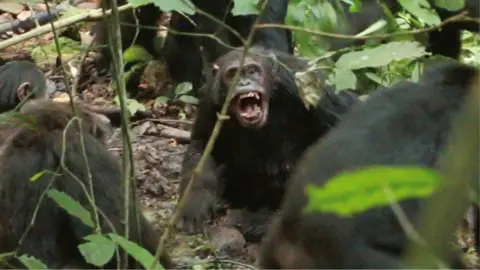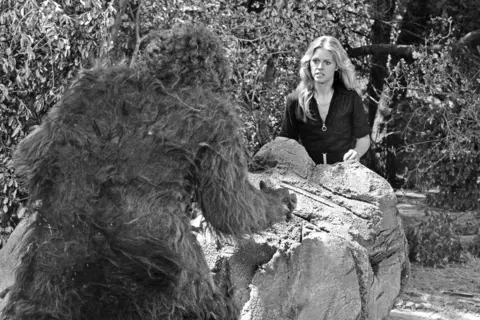
For decades, the mythical creature known as Bigfoot has sparked intrigue and debate, capturing imaginations worldwide. The phenomenon was propelled into the spotlight in 1967 when grainy footage in California depicted a mysterious, ape-like figure ambling through the woods. Despite the absence of conclusive evidence, the existence of Bigfoot continues to be hotly debated, drawing supporters and skeptics alike.
To delve deeper into this cultural enigma, Dr. Jamie Lewis of Cardiff University and Dr. Andrew Bartlett from the University of Sheffield conducted interviews with over 160 individuals who seriously believes in the presence of Bigfoot. Their findings are documented in their recent book, Bigfooters and Scientific Inquiry.
Bigfoot exists - at least as a known object that people shape their lives around, stated Dr. Lewis. He praised the dedication of many 'Bigfooters,' who often embark on lengthy expeditions into the dense forests of North America with cutting-edge technological tools, fueled by childhood encounters or close personal ties to the phenomenon.
Lewis observed that the majority of these enthusiasts are middle-aged white men, frequently ex-military personnel, who share a masculine energy and a sense of adventure fueled by a desire to connect with the unknown. He articulated the romantic notion of continuing to believe in an undiscovered giant ape lurking in the American wilderness, inspiring a sense of excitement and mystery.
During their research, they found that believers typically fall into two categories: the Apers, who see Bigfoot as a yet-to-be-discovered primate, and the Woo-Woos, who posit that Bigfoot might be an interdimensional traveler or alien. While the study focused on the Apers, both groups engage with the mystery in ways that reveal a deeper societal critique against elitism and the establishment.
Additionally, the documentary showcases first-hand accounts from seasoned Bigfoot hunters, such as Glenn Adkins from Ohio, who described an encounter with the elusive creature himself. Adkins recounted his overwhelming awe when confronting the creature up close, suggesting that the search is as much about experiencing nature as it is about proving the creature's existence.
Despite skepticism surrounding many reported sightings - often attributed to misidentifications of wildlife - the fervor within the Bigfoot community reflects a collective yearning for something extraordinary, challenging established boundaries of science and exploring the philosophical dimensions of belief.
This exploration into the minds of Bigfoot enthusiasts challenges the dismissive attitude often directed at fringe beliefs and highlights the importance of understanding what drives individuals to pursue the extraordinary in their lives.