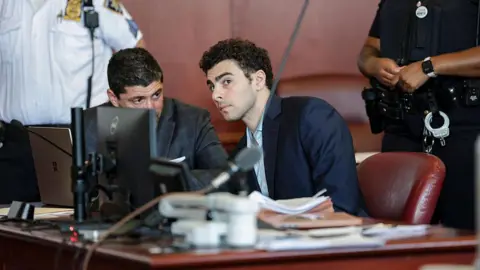
COLUMBIA, S.C. — The South Carolina Supreme Court has overturned Alex Murdaugh’s murder convictions and life sentence for the killings of his wife and son, citing misconduct by a court clerk who allegedly influenced the jury's perception of the defendant's credibility during the trial. Despite this ruling in his favor, Murdaugh remains behind bars as he is concurrently serving a lengthy sentence for financial crimes.
Murdaugh, 57, was initially convicted of the murders in 2023 amidst a trial that captivated the nation and spawned extensive media coverage, including miniseries and podcasts. Authorities established that Murdaugh siphoned millions from clients in distress before being charged with murder involving family members—testimonies that became entangled with significant public interest and sensationalism.
Prosecutors indicated they plan to retry Murdaugh on the murder charges, potentially in 2026. They aim to carefully tailor the next proceedings, leaning on the Supreme Court's guidance to limit evidence relating to Murdaugh’s financial crimes unless it directly connects to the murders. This recalibrated trial is expected to differ substantially from the first, where extensive testimonies about his thefts took center stage.
The ruling from the high court deemed that the clerk's comments to jurors suggesting Murdaugh's guilt tainted the fairness of the initial trial process, depriving him of his right to an impartial jury. Justices criticized the clerk's attempt to leverage her book on the case for personal gain, undermining the judicial integrity she was sworn to uphold.
Murdaugh's defense team has fervently argued the absence of direct evidence, emphasizing that no physical traces of blood or DNA linked him to the scene of the crime. They maintain that the new trial represents a chance to adequately assess the evidence—or lack thereof—without the shadow of previous misconduct.
Murdaugh, 57, was initially convicted of the murders in 2023 amidst a trial that captivated the nation and spawned extensive media coverage, including miniseries and podcasts. Authorities established that Murdaugh siphoned millions from clients in distress before being charged with murder involving family members—testimonies that became entangled with significant public interest and sensationalism.
Prosecutors indicated they plan to retry Murdaugh on the murder charges, potentially in 2026. They aim to carefully tailor the next proceedings, leaning on the Supreme Court's guidance to limit evidence relating to Murdaugh’s financial crimes unless it directly connects to the murders. This recalibrated trial is expected to differ substantially from the first, where extensive testimonies about his thefts took center stage.
The ruling from the high court deemed that the clerk's comments to jurors suggesting Murdaugh's guilt tainted the fairness of the initial trial process, depriving him of his right to an impartial jury. Justices criticized the clerk's attempt to leverage her book on the case for personal gain, undermining the judicial integrity she was sworn to uphold.
Murdaugh's defense team has fervently argued the absence of direct evidence, emphasizing that no physical traces of blood or DNA linked him to the scene of the crime. They maintain that the new trial represents a chance to adequately assess the evidence—or lack thereof—without the shadow of previous misconduct.