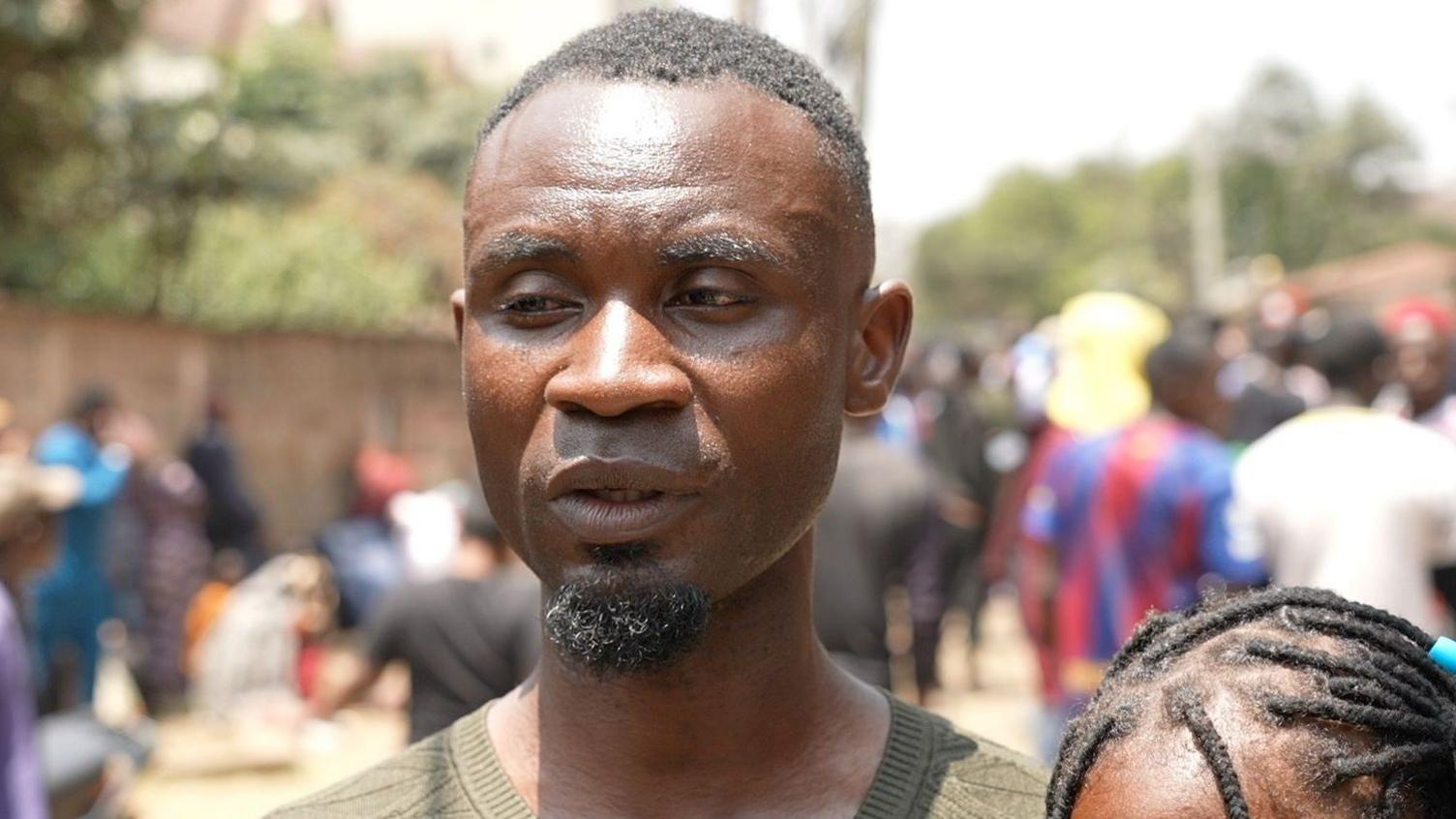
Edward, a nine-year-old Kenyan boy, has always known that his father worked for the British military. He faces bullying from his peers due to his lighter skin tone, a legacy of his father's disappearance before his birth. Recent breakthroughs in a complex DNA testing initiative have confirmed the identities of several British soldiers as the biological fathers of numerous children born near a military base in Nanyuki, Kenya. NB: Edward is a pseudonym used for privacy.
In total, twelve paternity cases have been legally validated, while the UK solicitors involved believe the figure could be as high as 100 documented cases overall. Many of these children had been told false narratives about their fathers, leading them to believe that their fathers were dead.
UK solicitor James Netto and his Kenya-based colleague Kelvin Kubai spearheaded this initiative, revealing how technology and genetics can intersect with legal processes to aid these children, many of whom qualify for UK citizenship and financial support.
As part of the process, Netto successfully obtained court orders compelling UK agencies to assist in identifying the fathers, a move that has instigated a more extensive examination of the roles and responsibilities of British soldiers stationed in Kenya, a base that has faced scrutiny over allegations of misconduct.
The initiative has deep-rooted implications, not only for economic support for the children now registered but also raises broader ethical questions regarding military operations in foreign nations. The results offer newfound hope to the children and their families, as they seek to establish relationships with estranged fathers who had been absent from their lives, often under traumatic circumstances.
In total, twelve paternity cases have been legally validated, while the UK solicitors involved believe the figure could be as high as 100 documented cases overall. Many of these children had been told false narratives about their fathers, leading them to believe that their fathers were dead.
UK solicitor James Netto and his Kenya-based colleague Kelvin Kubai spearheaded this initiative, revealing how technology and genetics can intersect with legal processes to aid these children, many of whom qualify for UK citizenship and financial support.
As part of the process, Netto successfully obtained court orders compelling UK agencies to assist in identifying the fathers, a move that has instigated a more extensive examination of the roles and responsibilities of British soldiers stationed in Kenya, a base that has faced scrutiny over allegations of misconduct.
The initiative has deep-rooted implications, not only for economic support for the children now registered but also raises broader ethical questions regarding military operations in foreign nations. The results offer newfound hope to the children and their families, as they seek to establish relationships with estranged fathers who had been absent from their lives, often under traumatic circumstances.