Washington and Tokyo presented a united front in the first coordinated sell‑sell operation on the yen since 2011, when the pair jointly weakened the currency after the devastating earthquake and tsunami in eastern Japan.
The transaction was intended to counter an abrupt slump that had pushed the yen below its most recent 40‑year trough.
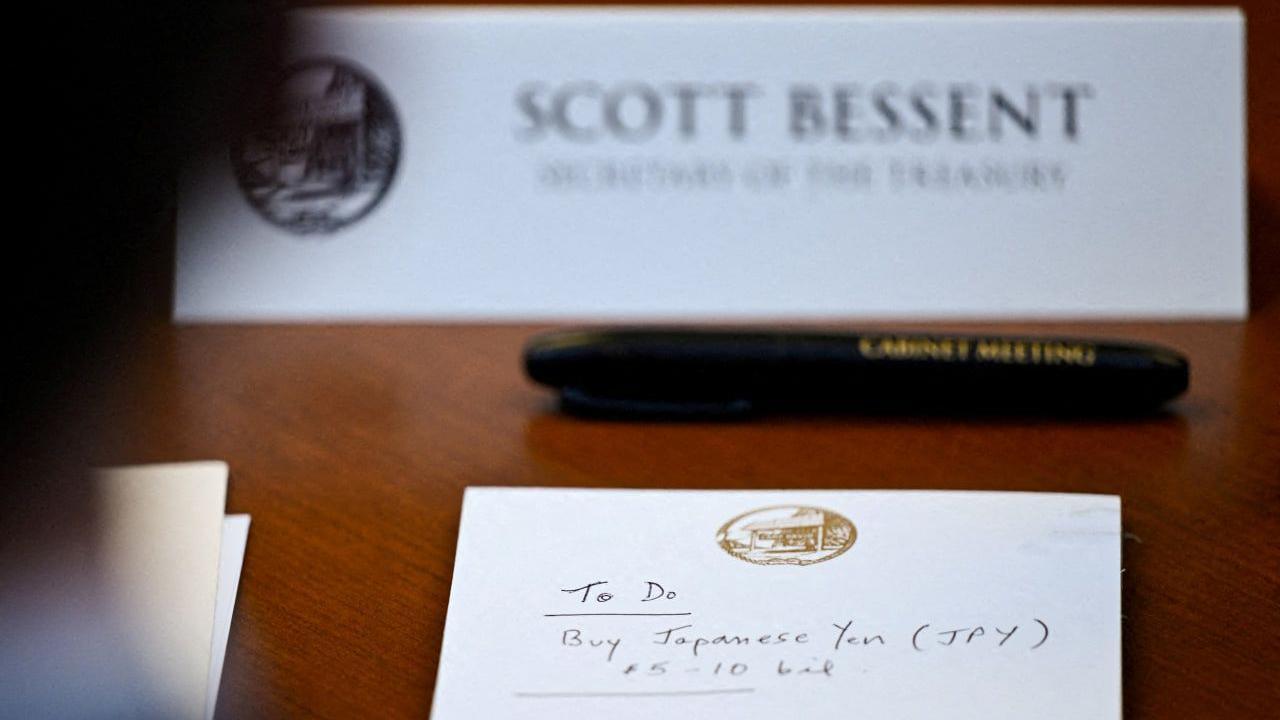
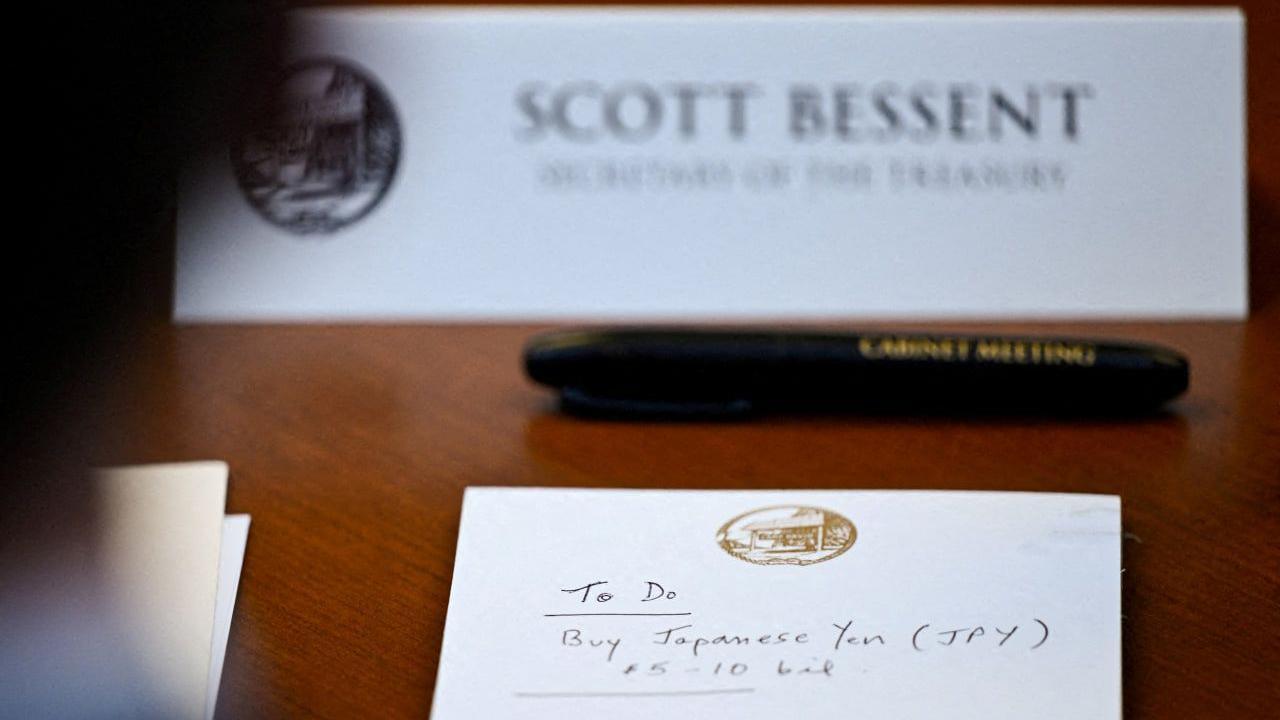
A Bloomberg report suggested that the U.S. Treasury may have agreed to purchase between $5 billion and $10 billion of yen on Friday. The Bank of Japan is believed to have sold almost $59 billion of U.S. dollars in New York markets before the joint intervention.
The collective action, in which Tokyo, as well as Washington, agreed to participate at the same time, is seen as a deterrent against speculative traders that might attempt to profit from a weak yen.
Japanese economists highlight that a weaker yen favours U.S. borrowing, pushing Washington’s policy rate into a tighter, potentially more expensive environment for global borrowers. From a policy perspective, the U.S. balances its higher interest‑rate path (3.50‑3.75%) against the Bank of Japan’s relatively low 1% policy rate.
Ministers also emphasised that future interventions are possible and will likely be "intermittent, coordinated, and periodical," as stated by Hong Kong‑based economist Shigeto Nagai, who pointed out that vague public messaging can dissuade speculators and enhance strategic market sentiment.
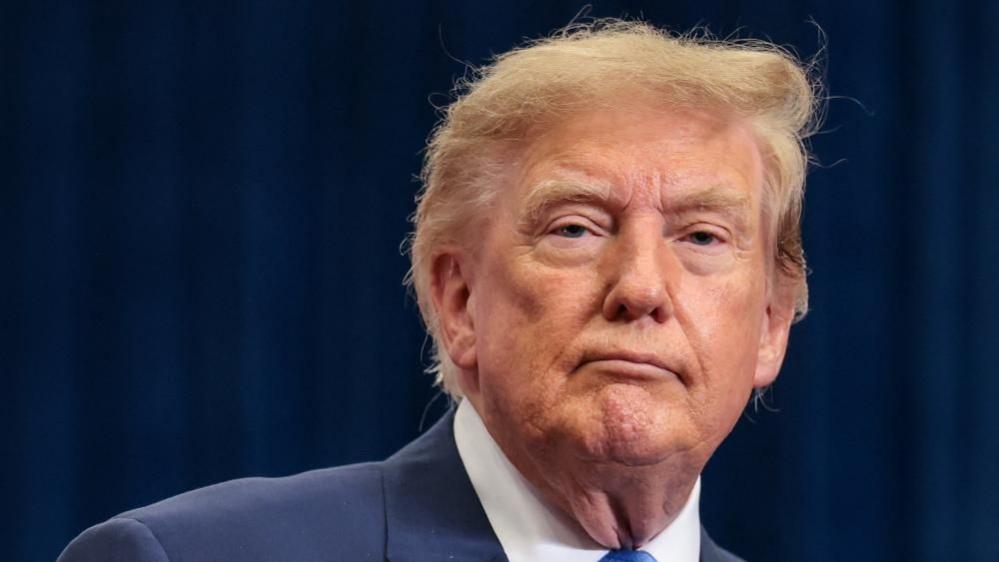
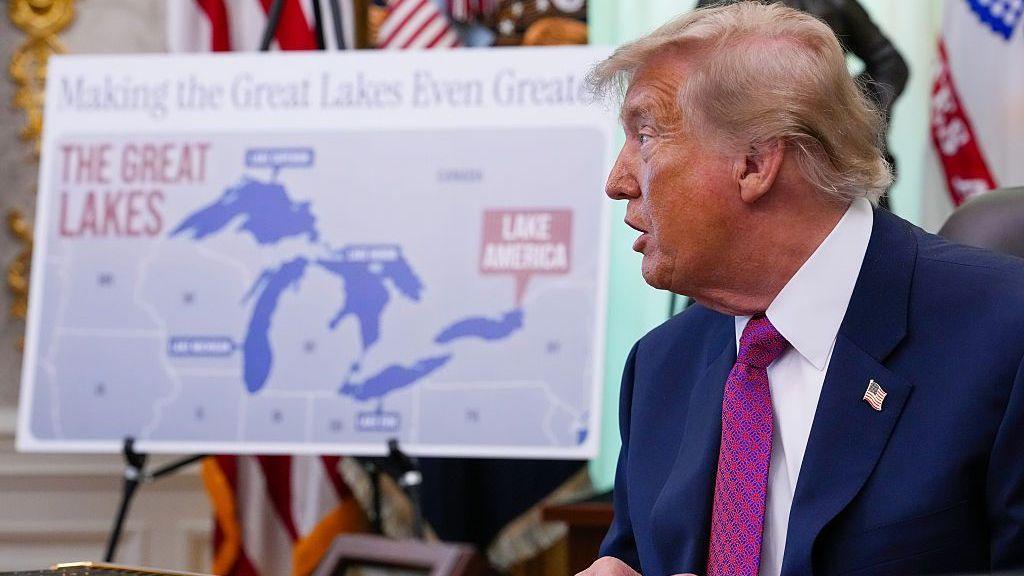
Trump’s comments earlier this week illuminated the U.S. position: "We support a strategic counter to the yen’s dislocation – robust backing helps Tokyo and indicates a longer‑term auspice for U.S. interest hardware," the former president said. Trump was subsequently followed by comments from Treasury Secretary Scott Bessent, who tweeted that coordinated interventions were “strongly supportive” of Japan’s moves to correct the yen’s undervaluation and praised the U.S. readiness to intervene.
The dollar slipped to 157.07 yen after Trump’s remarks but rebounded to 157.70 yen when the Ministry of Finance issued a statement confirming the operation. Bank of Japan data indicated an odd but heavily leveraged market‑influence by the Japanese central bank that included lots of dollar sales, coupled with U.S. officials’ readiness to bolster or withdraw in order to nem the global repatriation of risk.