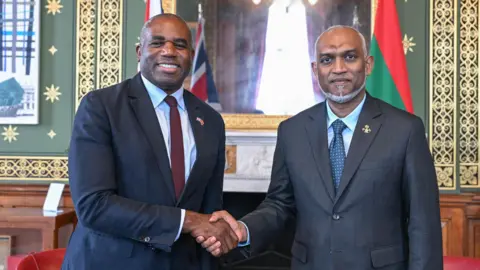
The president of the Maldives has formally told the UK that it does not recognise the deal to hand over the Chagos Islands to Mauritius.
President Mohamed Muizzu's office told the BBC the Maldives had expressed its opposition to the deeply concerning deal in two written objections and a phone call with Deputy Prime Minister David Lammy.
The nation of tropical islands in the Indian Ocean is asserting sovereignty over the Chagos Islands and is threatening international legal action to press its claim.
UK Foreign Office minister Stephen Doughty has stated the sovereignty of the Chagos Islands is a matter for Britain and Mauritius, not the Maldives.
A government source noted that international courts had already considered the question of sovereignty over the Chagos Islands and found in favour of Mauritius.
The Chagos Islands, officially known as the British Indian Ocean Territory, have been under UK control since the early 19th Century.
Last year, the UK government agreed to transfer control of the territory to Mauritius, paying an average cost of £101m a year to lease a joint UK-US military base on the largest island.
Mauritius has long laid claim to the islands and has pursued international legal action.
Labour ministers have contended that if a deal with Mauritius was not secured, the future of the military base could be jeopardized by international legal rulings.
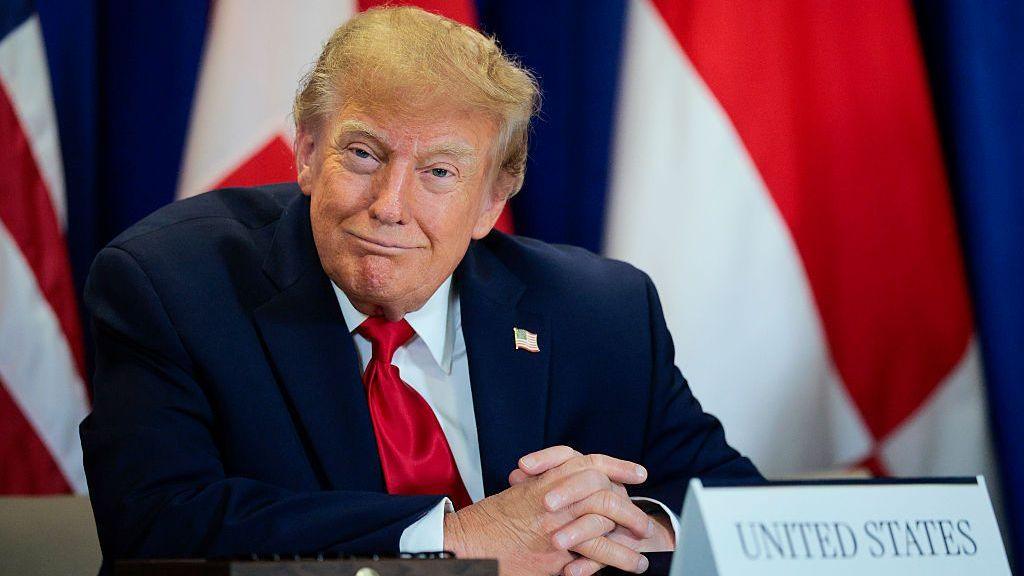
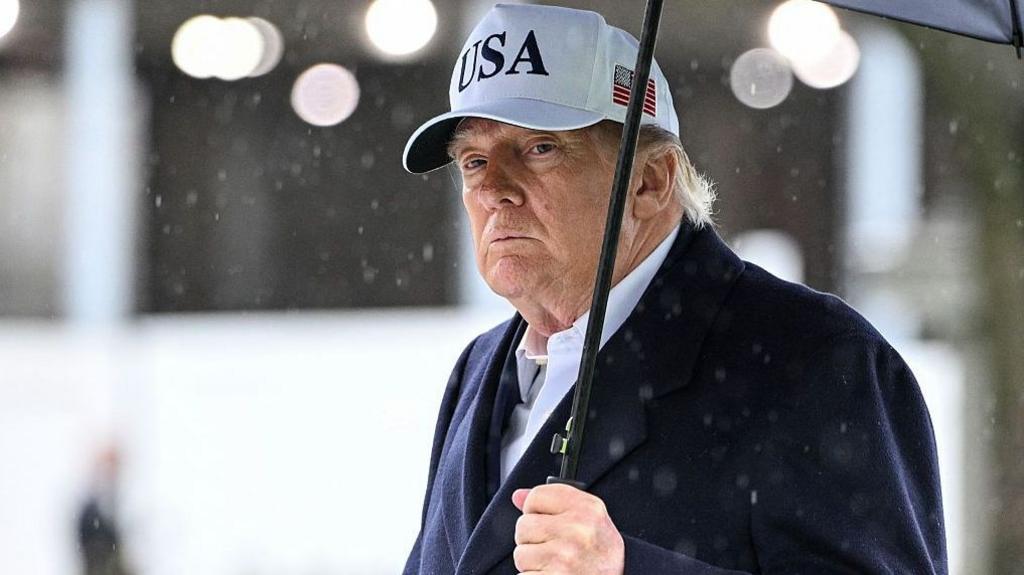
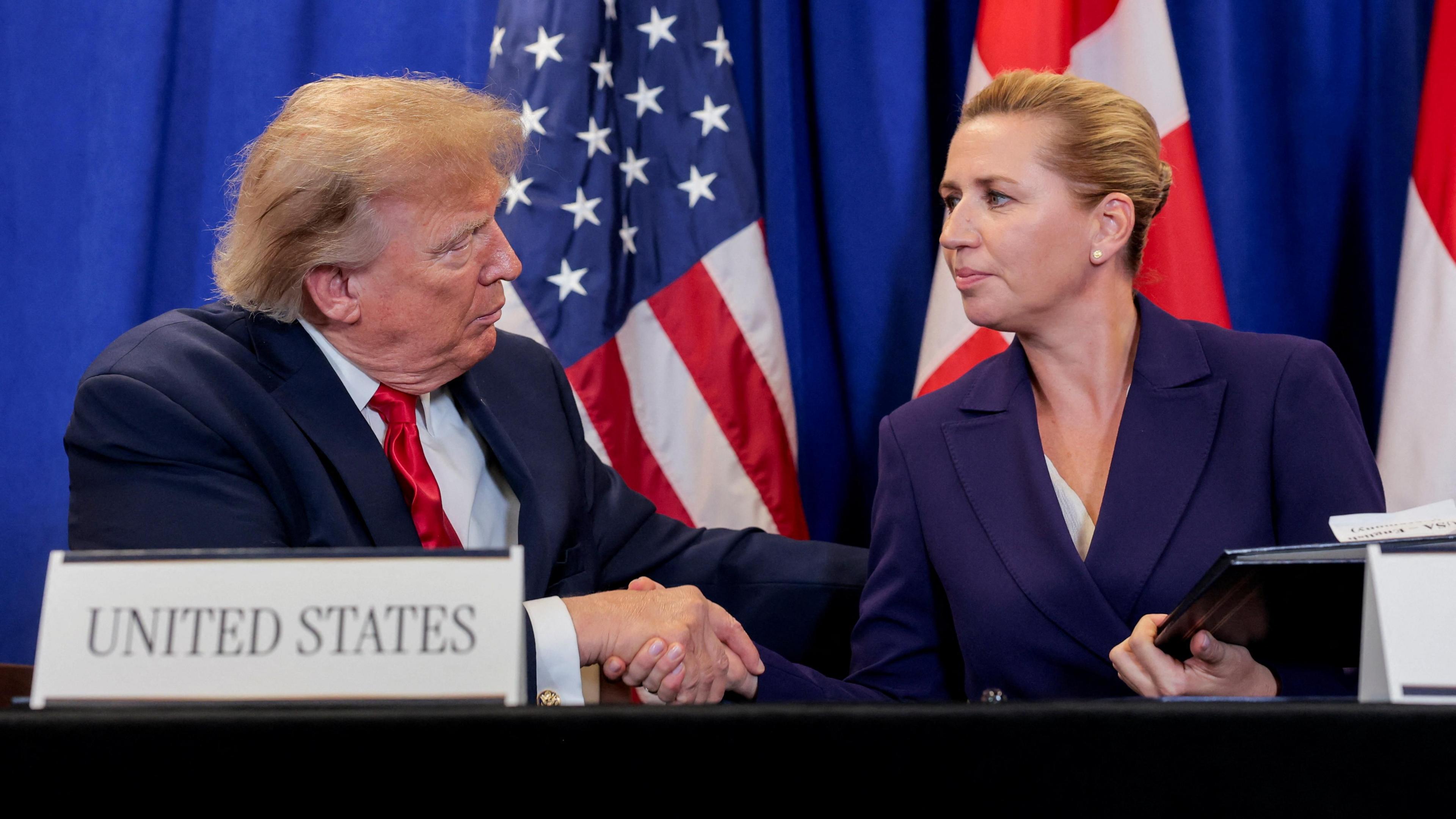
However, the deal remains unconfirmed in UK law and appears indefinitely on hold, influenced by US President Donald Trump, who cautioned Prime Minister Sir Keir Starmer against relinquishing the territory.
The Maldives argues against Mauritian control, stating it has historical claims to the archipelago dating back centuries.
In a detailed statement provided to the BBC, Muizzu's office outlined the Maldives' position regarding the Chagos Islands and its diplomatic interactions with the UK government.
The Maldives communicated its formal objections to the British government in both November 2024 and January 2026.
These diplomatic communications articulate the country's clear stance: the decision by the British government to consult solely with Mauritius—without consideration of Maldivian interests—is deeply alarming.
Consequently, the Maldives has officially stated it does not recognise the transfer of the Chagos Archipelago to Mauritius, based on deep historical ties and significant implications for Maldivian sovereignty.
In a call with Lammy last December, Muizzu alerted the deputy UK prime minister that any transfer of the archipelago must factor in Maldivian interests.
A ruling by the International Tribunal for the Law of the Sea in 2023 bolstered Mauritius's claims to the Chagos Islands, endorsing an advisory opinion released by the International Court of Justice in 2019.
The ICJ had deemed Britain's 1965 separation of the Chagos Islands from Mauritius unlawful and called for the UK to promptly end its administration.
While not binding, the advisory opinion does carry legal significance, previously urging the UN General Assembly to demand the archipelago's return to Mauritius in a near-unanimous vote.
Muizzu's office indicated that the Maldives is reviewing these rulings, maintaining a firm stance that, due to geographical and historical proximity, it holds prior claims over the Chagos Islands.
The statement emphasized that if sovereignty is to be conferred to any nation, it must be vested in the Maldives.
The Maldives government intends to explore all avenues for a formal submission to the ICJ and is assessing all legal means to protect its national interests.
They expressed hope that the UK, a long-standing partner, would engage in meaningful discussions to amicably resolve the matter, honoring historical accuracy.
If the Maldives decides to pursue legal action, it could complicate the UK's ongoing deal with Mauritius. This deal has been further cast into doubt by Trump's remarks, who indicated via Truth Social that this land should not be taken away from the UK.
Despite the US State Department officially endorsing the UK's plan, many Chagossians view the deal as a betrayal and desire to see the UK maintain sovereignty over the islands to enable their eventual return.
The Conservative Party and Reform UK have also strongly opposed the agreement.