The latest edition of the U.S. Dietary Guidelines, released by Health Secretary Robert F. Kennedy Jr. and Agriculture Secretary Brooke Rollins, encourages Americans to prioritize whole foods and protein in their diets, while minimizing the intake of highly processed foods and added sugars.
In a significant shift from past guidelines, the 2025-2030 recommendations, titled Dietary Guidelines for Americans, aim to address the alarming rise of diet-related chronic diseases among the population. Kennedy emphasized the importance of consuming 'real food' during a briefing at the White House.
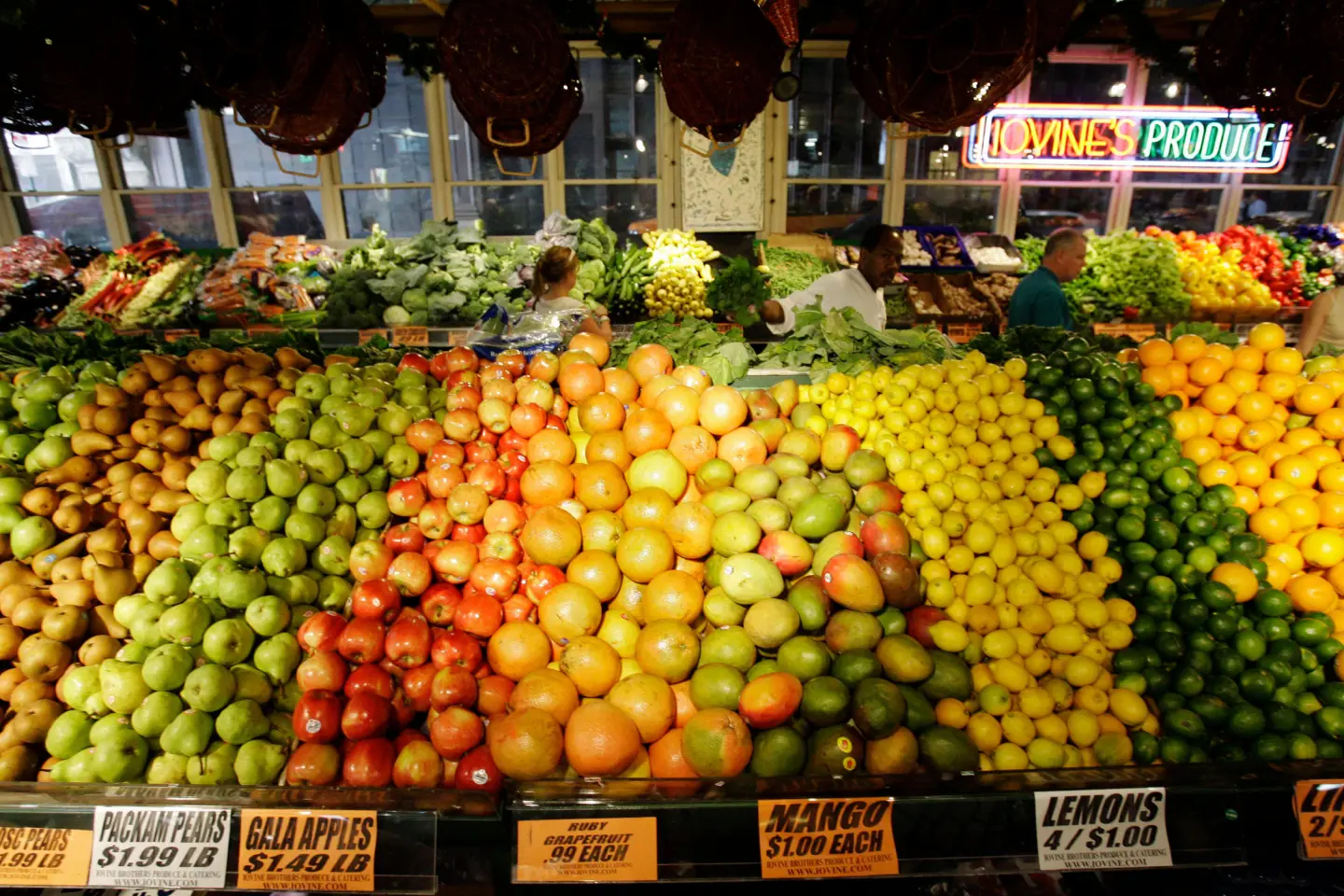
The guidelines advocate for increased consumption of fresh vegetables, whole grains, and dairy products, while discouraging the consumption of packaged and prepared foods, which typically contain high levels of sugars and salts. This aligns with previous findings that link ultraprocessed foods to health issues such as obesity and diabetes.
Moreover, the guidelines propose potential changes in the approach to dietary fats, suggesting that saturated fats should be sourced from whole food options like meat, whole-fat dairy, or avocados, while advising to maintain saturated fat intake within 10% of total daily calories.
The updated guidelines also reflect a growing consensus among nutrition and medical experts. Former FDA Commissioner Dr. David Kessler praised the emphasis on whole foods as a pivotal move in improving health outcomes.
In a notable revision, the new guidelines recommend increasing protein consumption to between 1.2 to 1.6 grams per kilogram of body weight, an increase from the previous recommendation of 0.8 grams. This aims to encourage a balance that reduces the reliance on processed carbohydrates.
Lastly, the guidelines recommend a strict limit on added sugars, stating that no more than 10 grams should be included in a single meal. This update aims to curb excess sugar consumption, which averages around 17 teaspoons per day in the U.S.