Trump’s Billion‑Dollar Earnings Reveal an Unmatched White House Windfall
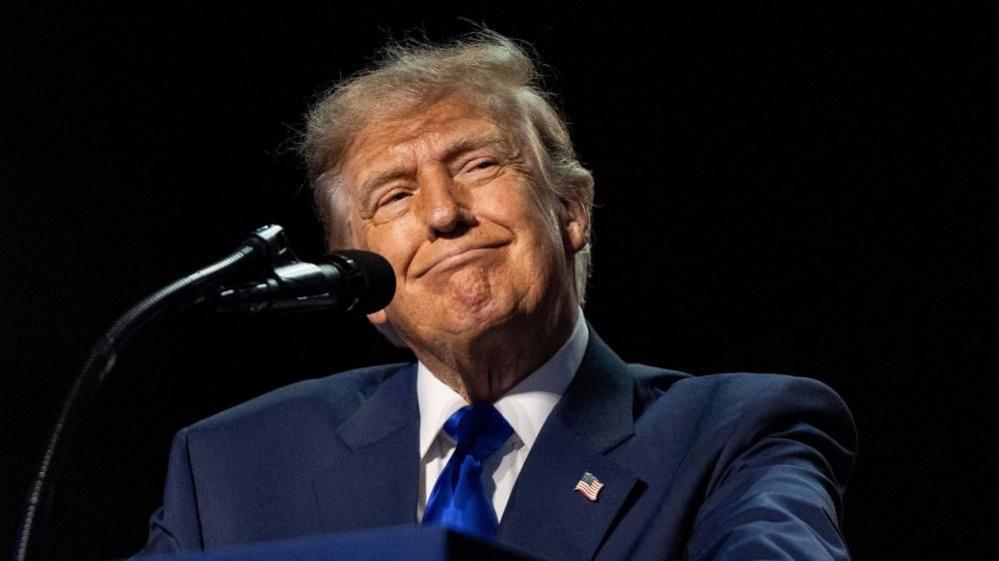
When Harry Truman stepped out of the Oval Office in 1953, his only income was a modest $113 a month pension. By comparison, Donald Trump’s first year back in 2025 put him on the census of the world’s richest leaders, boasting $2.2 bn in net earnings.
The bulk of Trump’s coffers come from crypto‑institutional ties: a $635 m royalty stream from Celebration Coins, the proprietary flask behind the popular $TRUMP token, and an additional $500 m via the family‑led World Liberty Financial. The figure is nearly four times the $622 m shown in 2024–the year before his return to office.
"There's just no precedent for this," says Barbara Perry, presidential historian at the University of Virginia. "It’s beyond anything we’ve ever seen in the presidency."
Trump’s family network has further leveraged the presidency. In July, a White House‑launched stable‑coin bill cleared the floor just months after World Liberty launched its own digital asset. In October, the administration granted a pardon to Binance founder Changpeng Zhao, a move that many said directly benefited Trump’s crypto interests.
The White House maintains that the president’s holdings are held by blind trusts. Behind the statements, numerous reports point to Trump's active guardianship of the Trump Organization, a corporate entity still heavily tied to his real‑estate portfolio, and stakes in overseas mining ventures negotiated during his tenure.

Ethics watchdogs warn the intertwining of public office and private profit in the crypto realm creates a troubling scenario for public trust. In contrast to the Truman era—where presidents took modest salaried pensions or temporary advisory posts—the modern era’s anonymity and digital economies allow for unprecedented flows of wealth tied directly to presidential influence.
For quanta.report, this case study shows the power of large‑scale data analysis to surface hidden currents of presidential income and to stir debates on transparency and governance in the 21st century.