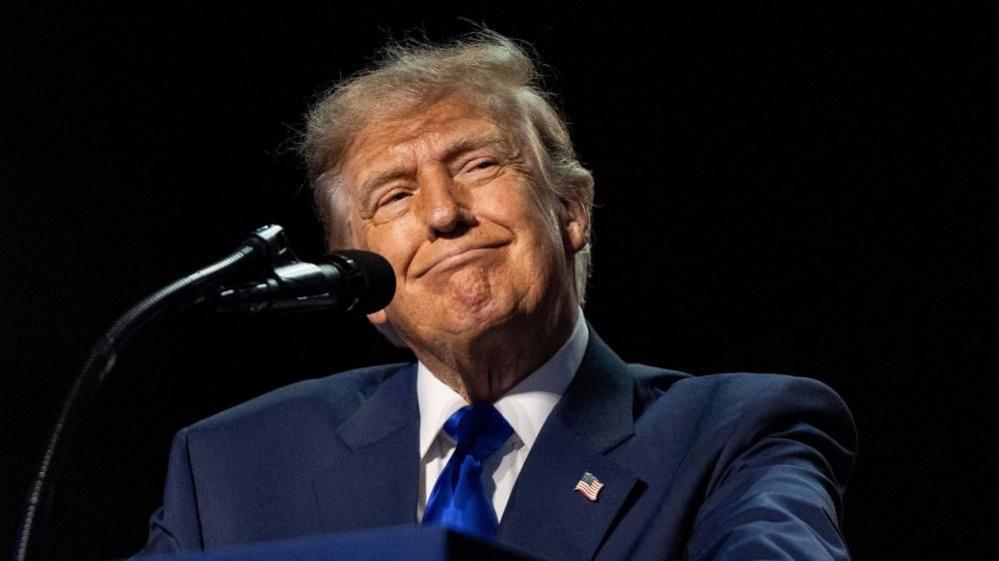
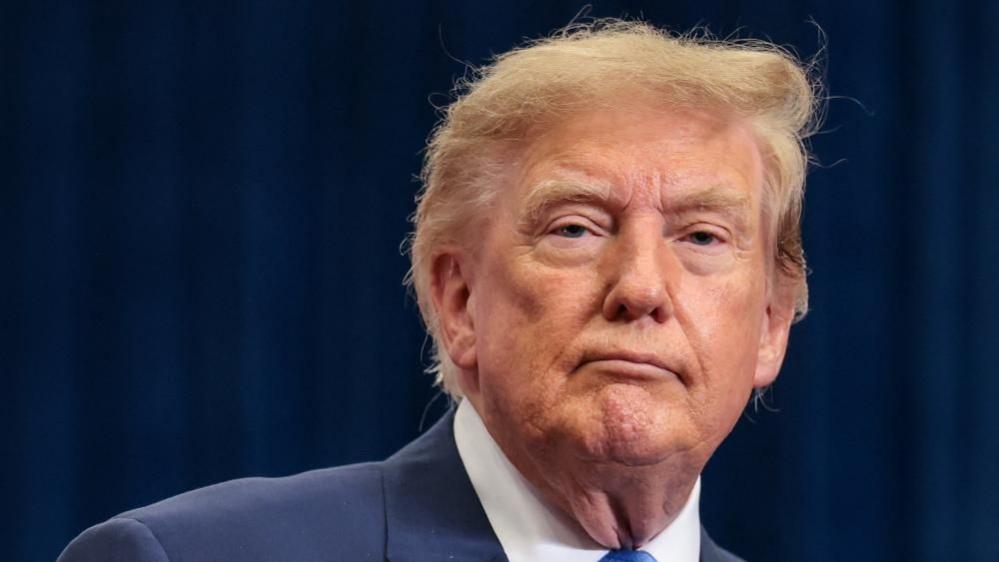
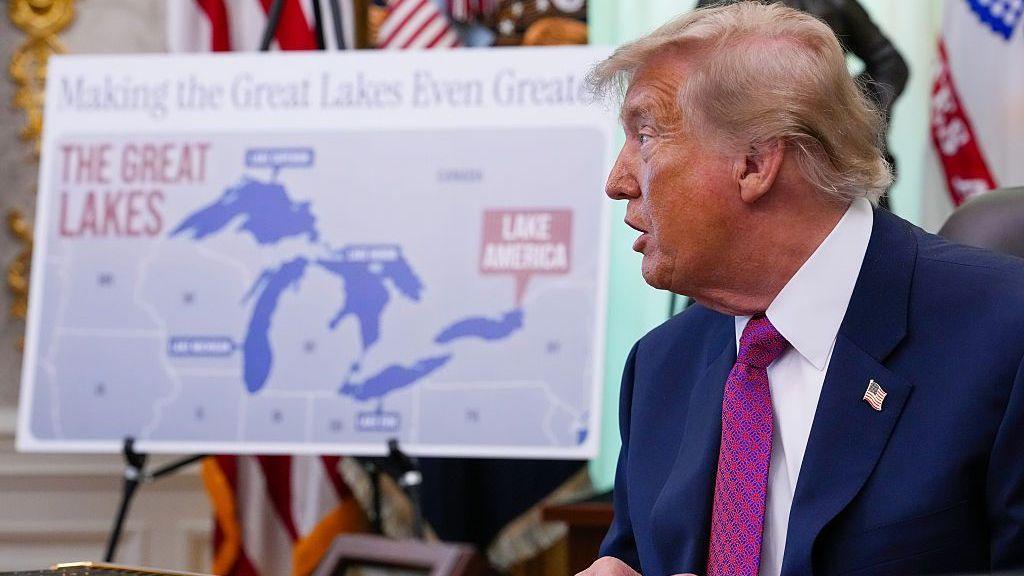
Donald Trump has promised to hand out $5,000 (about £3,700) to every American if the Republicans win the mid‑term elections in November.
The former president offered no details about how the money would be sourced or distributed, leaving the public and policymakers uncertain about the plan’s practical viability.
Critics call the pledge an "empty promise", and a growing chorus of legal scholars question whether such a reimbursement would infringe federal campaign‑finance laws or other constitutional constraints.
Fiscal Impact
If the pledge were fulfilled, the cost would be approximately $1.3 trillion over the span of a single election cycle, a figure that dwarfs current federal spending on election administration.
Legal Challenges
- Campaign‑finance laws typically prohibit candidates and parties from providing monetary gifts to voters to influence turnout.
- Constitutional considerations about the federal government’s authority to allocate such funds for political purposes remain contested.
- State‑level regulations and existing ballot‑financial statutes add another layer of complexity.
Political Reactions
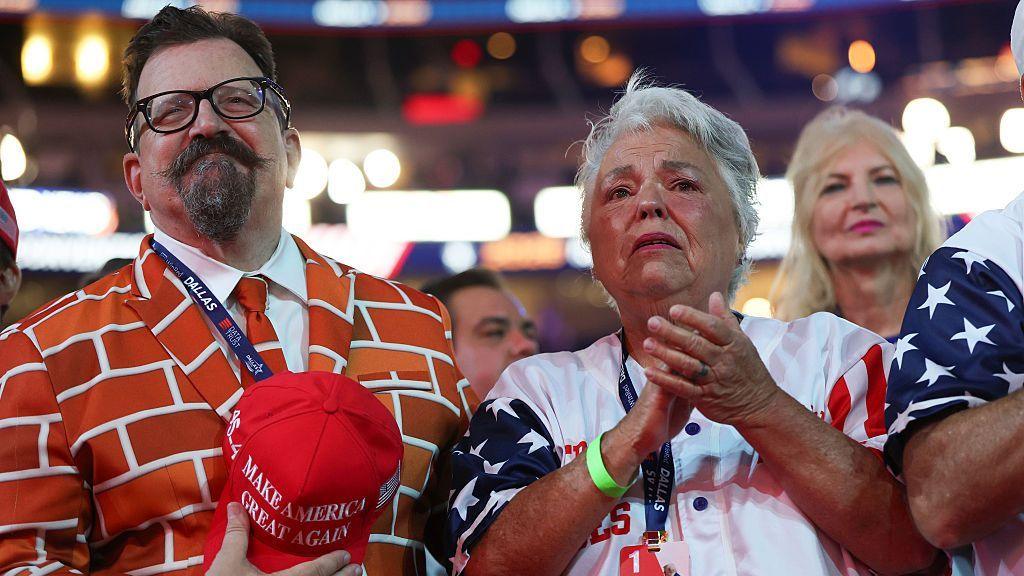
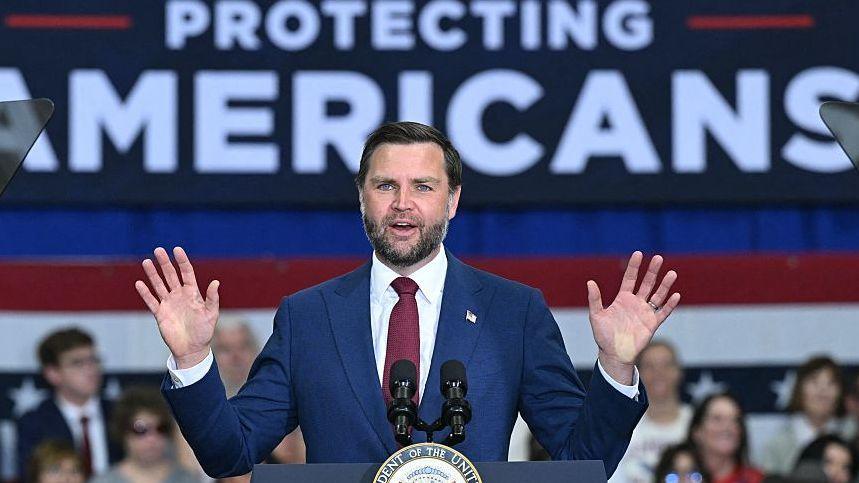
Republican officials have framed the pledge as a rallying cry to boost voter turnout, while Democratic leaders have largely dismissed it as rhetorical.
As the election cycle approaches, the Biden administration and federal courts will likely grapple with unprecedented questions about the intersection of politics and public finance.