In a result described by pundits as a ‘socio‑political earthquake’, the far‑right Alternative for Germany (AfD) came within a whisper of a majority in Saxony‑Anhalt’s local elections. The region, home to just 1.7 million of Germany’s 59 million eligible voters, quietly tipped the balance of power in Berlin and, unexpectedly, in Brussels.
For Chancellor Friedrich Merz, whose party still struggles to claim a strong mandate, the Saxony‑Anhalt outcome feels like a hit to the left flank of the centrist coalition. Analysts predict that the surge could compel Merz’s government to abandon policies that have kept the AfD at bay, especially its hard‑line stance on immigration and its continued criticism of Germany’s role in European security.
The ripple effect has reached far beyond German borders. The United States’ Donald Trump posted the exit poll on Truth Social, drawing a parallel to his own MAGA rhetoric. Meanwhile, Russian businessman Kirill Dmitriev, CEO of the Russian Direct Investment Fund, called the result ‘historic’ and “discredited” the national government, reflecting Russia’s frustration with aid to Ukraine and its desire to reshape European sanctions against Moscow.
European leaders are also concerned. Spain’s Vox leader praised the AfD win, while France’s Minister Benjamin Haddad warned that a hard‑right victory could undermine European cohesion. The upcoming election season—spanning France, Italy, Spain and Poland—promises to be contested by a host of nationalist parties, some of whom, like the AfD, are Eurosceptic and could further fragment the bloc’s collective stand against external threats such as Russia and China.
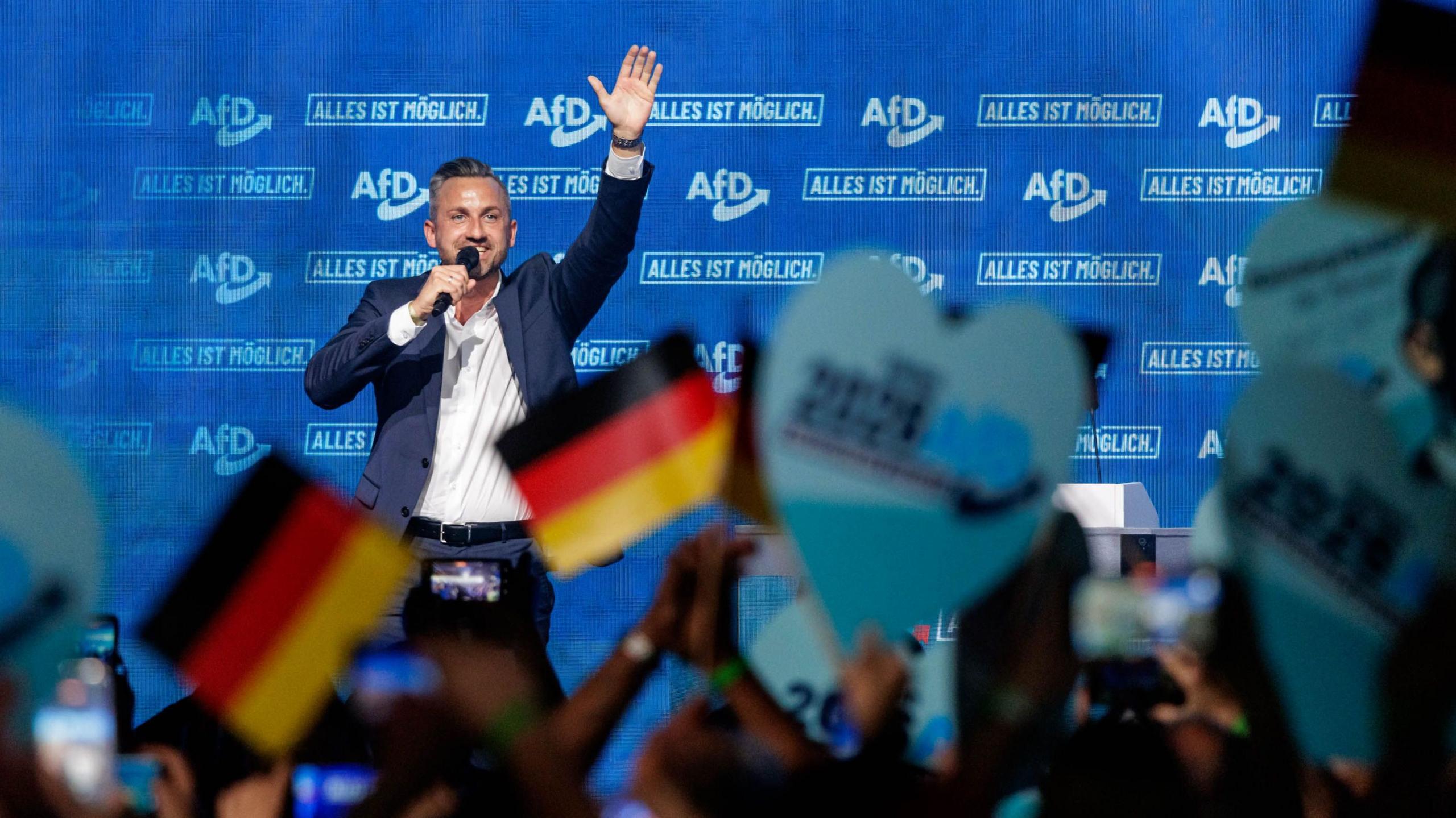
On a broader scale, the Saxony‑Anhalt triumph unifies voices that otherwise feel betrayed by mainstream politics, accentuating public concerns over immigration, economic security, and infrastructure. The AfD’s celebration—featuring the slogan ‘Anything Is Possible’—shows that many Germans are willing to consider a new, more radical direction for governance.
In the uncertain sands of Europe’s political landscape, the AfD’s regional success is not just a local blip; it is a bellwether that may shape the conclusions of elections across the continent and redefine Germany’s position on the global stage.