In brief
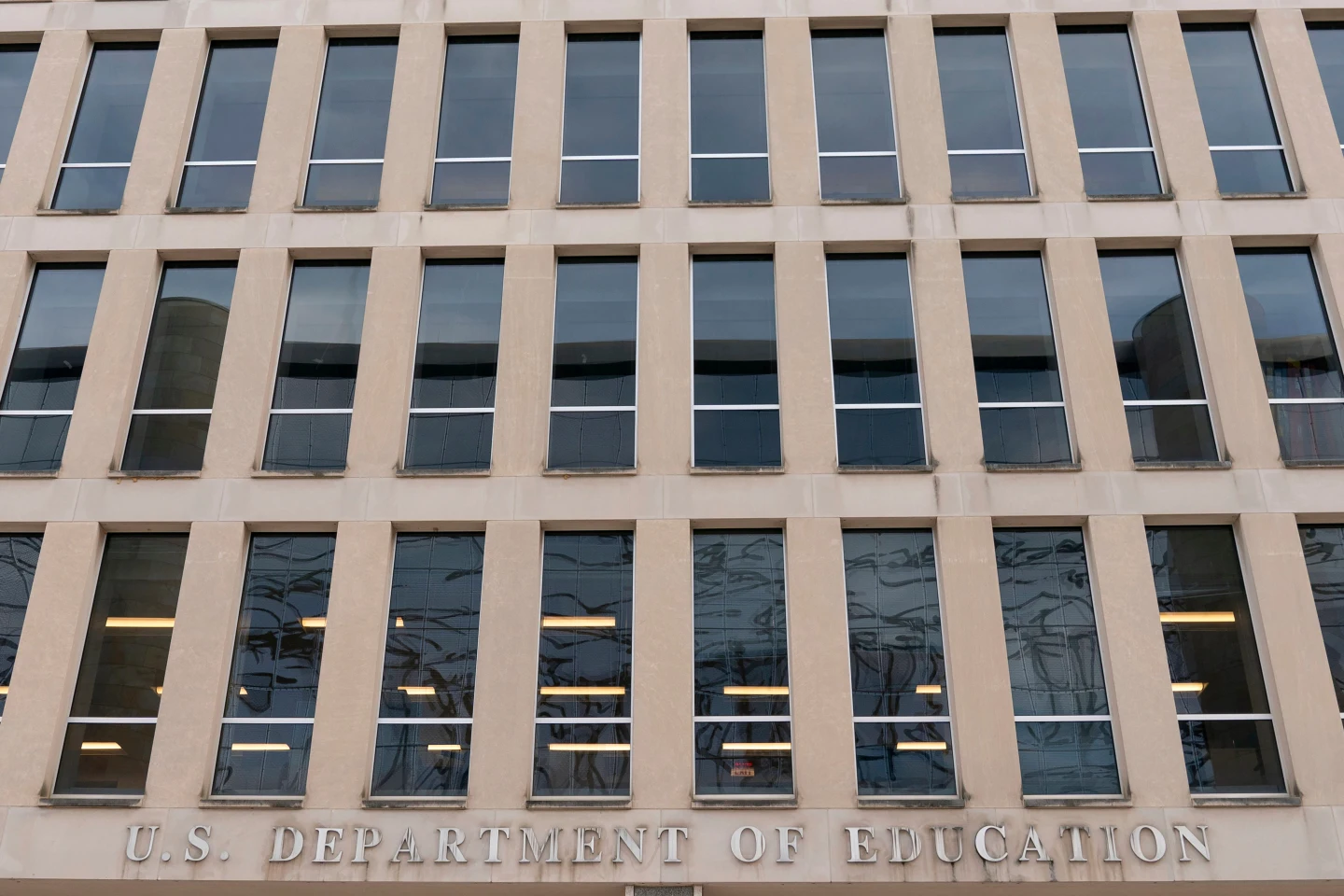
As the backlog of discrimination complaints at the Education Department continues to escalate, the Trump administration is calling back dozens of staffers previously slated for layoffs. These employees are tasked with tackling the growing number of civil rights cases at the Office for Civil Rights, although the department still intends to pursue a reduction in staff as part of ongoing litigation over previous layoffs.
The Trump administration is reversing planned layoffs of over 200 staff members from the Education Department's Office for Civil Rights (OCR) due to a backlog of discrimination complaints. While the layoffs were paused amidst ongoing legal disputes, the OCR now requires the staff's assistance in managing the rising number of cases.Department officials informed these employees that their return to duty is necessary for prioritizing the existing complaint caseload which includes issues ranging from disability rights violations to racial discrimination. Julie Hartman, a spokesperson for the department, stated that while the intention to reduce staff remains, current conditions necessitate the use of all available personnel to address the complaints filed by students and families.Previously, staff members had been on administrative leave; however, the resurgence of discrimination complaints and the backlog, which has increased from about 20,000 to over 25,000 since President Trump took office, prompted the calls for their return. The layoffs had stirred significant controversy and criticism regarding the efficiency and effectiveness of the department's operations, leading many to express concerns over the handling of civil rights investigations.The OCR is responsible for enforcing federal civil rights laws in educational institutions, and their ability to respond to complaints has been hampered by reduced staffing levels, with families reporting delays in the processing of their cases. The department's workforce has seen a significant decrease, from 4,100 employees at the start of Trump’s presidency to less than half that number now.Some former staffers have raised alarms about the struggles the OCR faces to effectively address the existing caseload with the remaining workforce, indicating that significant changes are necessary to improve its operational effectiveness.