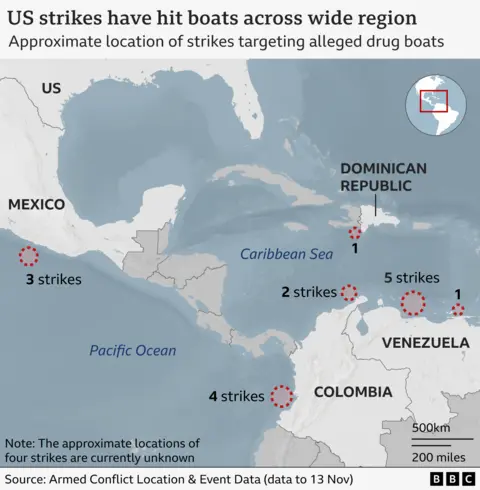
A top US Navy commander ordered a second round of military strikes on an alleged Venezuelan drug boat, the White House has confirmed. Admiral (Frank) Bradley worked well within his authority and the law in ordering the additional strike, White House Press Secretary Karoline Leavitt said on Monday. Leavitt confirmed Defence Secretary Pete Hegseth authorized the strikes but did not give an order to kill everybody, as reported by the Washington Post. The second strike occurred after two people survived the initial blast and were reportedly clinging to the burning vessel. Both Republican and Democratic lawmakers have expressed concern over the report and vowed congressional reviews of the strikes.
President (Donald) Trump and Secretary Hegseth have made it clear that presidentially designated narco-terrorist groups are subject to lethal targeting in accordance with the laws of war, Leavitt stated during the Monday press briefing. The press secretary neither confirmed the first strike left two survivors nor that the second attack was intended to kill them. Media reports that Hegseth directed that all on board the vessel during the 2 September strike be killed have sparked renewed discussions regarding the legality of US military actions against alleged drug boats.
Hegseth has pushed back against accusations in the report, calling them fabricated, inflammatory, and derogatory. He tweeted support for Admiral Bradley, declaring him a hero and asserting that he stands by the combat decisions made in recent operations. In response to growing scrutiny, the Senate Armed Services Committee plans to conduct vigorous oversight and interview the admiral responsible for the operation. This scrutiny comes as military engagement in the Caribbean has expanded and more than 80 people have been killed in strikes since the start of September.
The Trump administration claims its actions are defensive, targeting drug-carrying vessels to protect the US. However, experts have raised serious questions about the legality of targeting alleged survivors, suggesting they may be entitled to protections under international law. Laws of war prohibit targeting wounded fighters, instead calling for their apprehension and care.
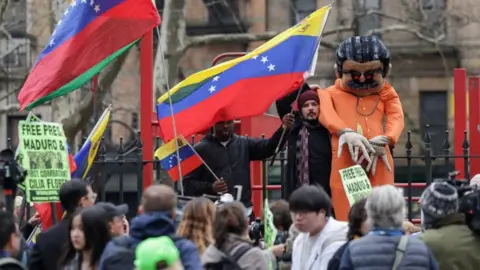
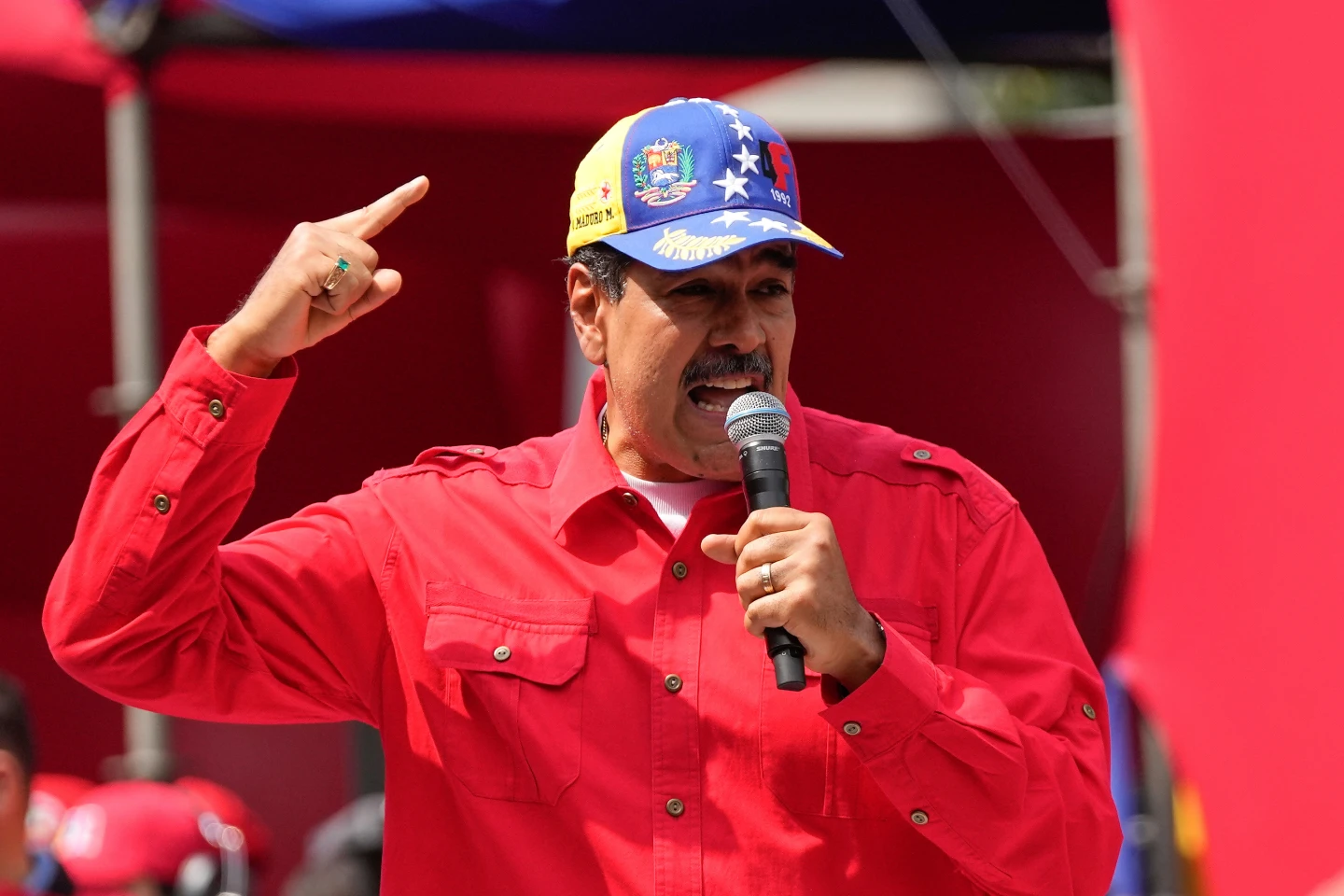
Following the strikes, Venezuela's National Assembly condemned the actions and declared an intent to investigate. The Venezuelan government accused the US of seeking to escalate tensions in the region. The conversation between Trump and Venezuelan President Nicolás Maduro indicated ongoing diplomatic tensions, with Trump pressuring Maduro to resign.
Amid these developments, US officials accuse Maduro of participating in a terrorist organization, a charge that Maduro denies. Both countries remain on edge, as military operations and diplomatic negotiations intertwine.
President (Donald) Trump and Secretary Hegseth have made it clear that presidentially designated narco-terrorist groups are subject to lethal targeting in accordance with the laws of war, Leavitt stated during the Monday press briefing. The press secretary neither confirmed the first strike left two survivors nor that the second attack was intended to kill them. Media reports that Hegseth directed that all on board the vessel during the 2 September strike be killed have sparked renewed discussions regarding the legality of US military actions against alleged drug boats.
Hegseth has pushed back against accusations in the report, calling them fabricated, inflammatory, and derogatory. He tweeted support for Admiral Bradley, declaring him a hero and asserting that he stands by the combat decisions made in recent operations. In response to growing scrutiny, the Senate Armed Services Committee plans to conduct vigorous oversight and interview the admiral responsible for the operation. This scrutiny comes as military engagement in the Caribbean has expanded and more than 80 people have been killed in strikes since the start of September.
The Trump administration claims its actions are defensive, targeting drug-carrying vessels to protect the US. However, experts have raised serious questions about the legality of targeting alleged survivors, suggesting they may be entitled to protections under international law. Laws of war prohibit targeting wounded fighters, instead calling for their apprehension and care.
Following the strikes, Venezuela's National Assembly condemned the actions and declared an intent to investigate. The Venezuelan government accused the US of seeking to escalate tensions in the region. The conversation between Trump and Venezuelan President Nicolás Maduro indicated ongoing diplomatic tensions, with Trump pressuring Maduro to resign.
Amid these developments, US officials accuse Maduro of participating in a terrorist organization, a charge that Maduro denies. Both countries remain on edge, as military operations and diplomatic negotiations intertwine.