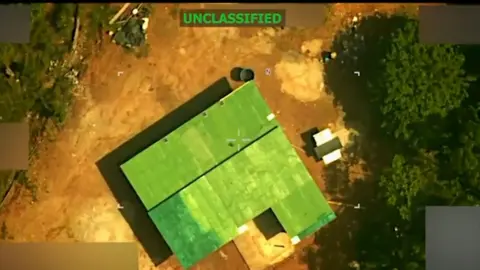
WASHINGTON (AP) — The U.S. military opened fire on two individuals clinging to the wreckage of a boat allegedly transporting drugs, congressional lawmakers learned this week, as they seek more information regarding the legality of President Trump's military operations in international waters near Venezuela.
The strikes on September 2 marked the first time the U.S. military has targeted vessels thought to be transporting illegal narcotics. This campaign, which has destroyed over 20 boats and led to the deaths of more than 80 individuals, is currently under heavy scrutiny. Lawmakers, particularly those on national security committees, recently questioned the Navy admiral responsible for the incident.
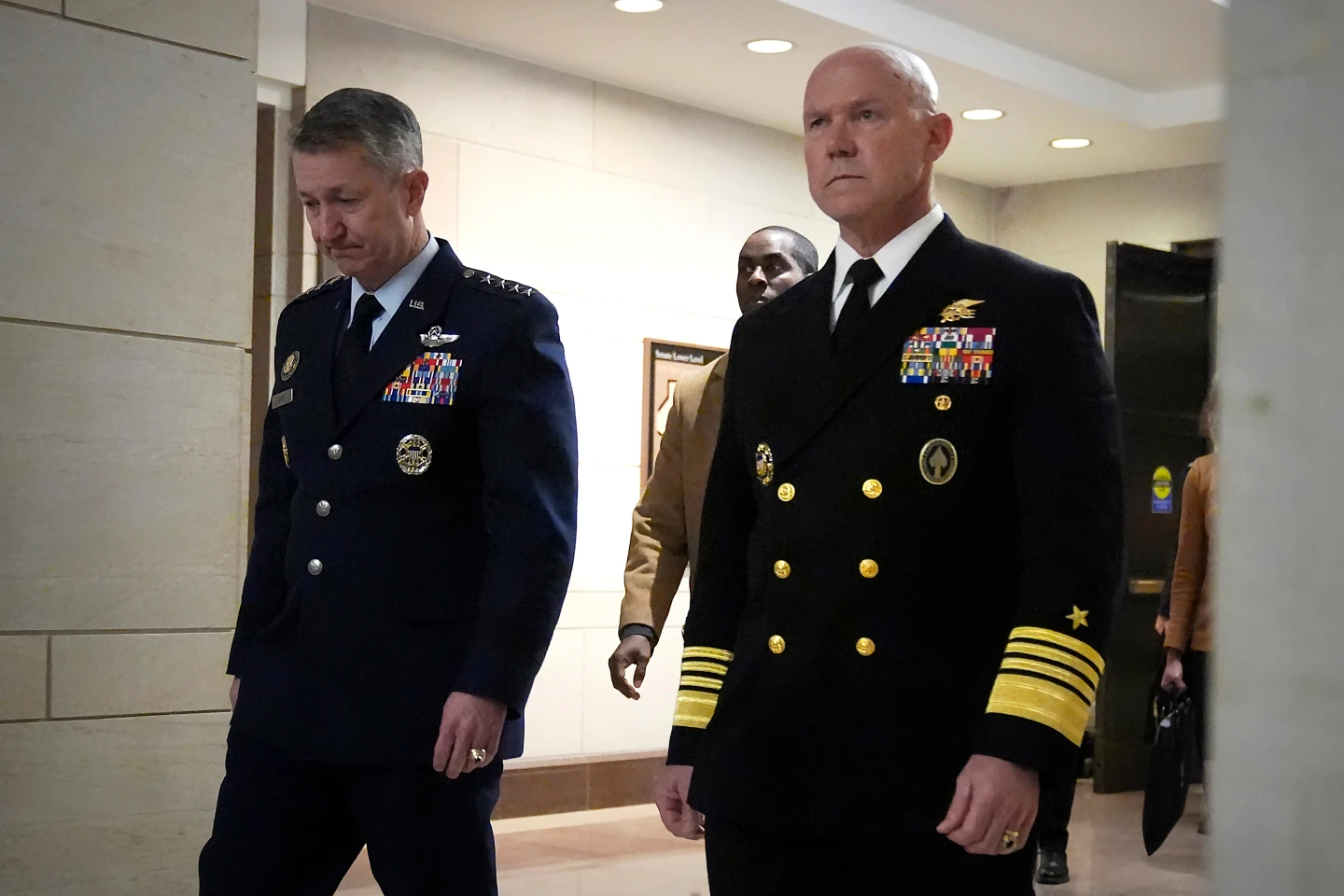
Admiral Frank Mitch Bradley stated clearly that Defense Secretary Pete Hegseth did not issue a 'kill them all' order concerning the survivors, yet Democratic lawmakers assert the operation's intent was straightforward: to annihilate the drugs and eliminate those on board. Observers warn that this sequence of events could contravene laws governing armed conflict and human rights protections.
The scrutiny of these military operations comes at a pivotal moment, potentially redefining engagement rules for U.S. forces and impacting ongoing tensions with Venezuela. Lawmakers are pressing for clarity regarding the series of events surrounding the attacks and the justifications provided.
What lawmakers have learned
During a briefing, Bradley disclosed he ordered a second strike on the wreck of the cocaine-laden boat based on the belief that bales of the drug remained onboard. Eyewitness accounts described two survivors on the floating wreckage until they were struck by missiles. Rep. Adam Smith termed the incident 'deeply concerning,' while Sen. Tom Cotton defended the actions, suggesting the survivors? attempts to move the wreck indicated continued hostility and therefore justifiable targets.
The rationale behind the strikes stems from a legal interpretation by the Department of Defense, treating drug trafficking operations headed to the U.S. as terrorism, warranting military action under similar rules as those applicable to the war on terror. This fundamentally alters the traditional approach to drug offenses, typically managed by law enforcement agencies rather than military force, raising red flags among lawmakers.
Democrats in Congress are pushing for the release of the rationale underlying the military's intervention — an opinion from the Justice Department's Office of Legal Counsel that remains classified. Sen. Jack Reed criticized the administration's military operations, emphasizing the need for further investigation into the incident.
What lawmakers are trying to find out
Lawmakers are seeking answers regarding directives and operational guidelines under which the military carried out its actions. Earlier briefings indicated Bradley had not read the entire legal opinion guiding these operations and that military lawyers lacked access to the pertinent information until well after the strikes took place. Additionally, they are requesting the official execution order, encompassing engagement rules and a transcript of communications between Hegseth and military officials involved.
The fallout continues as Hegseth remains resolute against the criticisms from Congress, with a military report indicating a new strike on another suspected drug boat resulting in additional casualties. As debates over the military's role in combating drug trafficking unfold, the implications of these engagements could set precedents for future military operations.