Thousands Still Without Power in Indiana 12 Days After Severe Storms
The mid‑Atlantic city of Gary, Indiana, is still critical‑black for many residents 12 days after a massive storm tore power lines out of the grid. Thirteen‑day‑old outages, intense summer heat and blockages in food supply lines have turned normal daily life into a struggle for survival. Officials say the damage is caused by the loss of 470 megawatt‑hours of capacity, but the underlying infrastructure and preparedness gaps are at the heart of the crisis.
Terry Dubois, 77, lives 15 block from the storm’s epicenter. “It was like a sheer wall of wind,” she recalled, listing the endless ferocity of the gusts that collapsed power lines. She and her family survived by borrowing food from friends and a portable power bank that keeps her mobile phone charged.
The storm that slammed Chicago and the rest of the Midwest on 11 August, topped wind speeds of 99 mph. The National Weather Service notes the celery‑shaped winds swept through the city’s industrial heartland of Gary, which historically hosts the world’s largest steel mill. The loss of freight power meant that 450,000 households in the region have been dark for more than a week, with 30,000 still awaiting reconnection—the delay causing a surge in calls to the local emergency line.
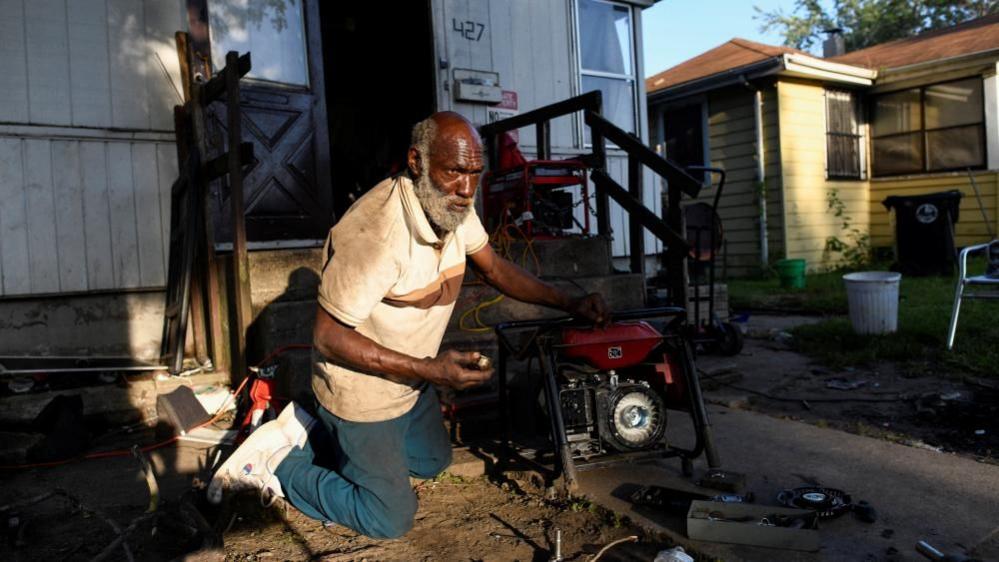
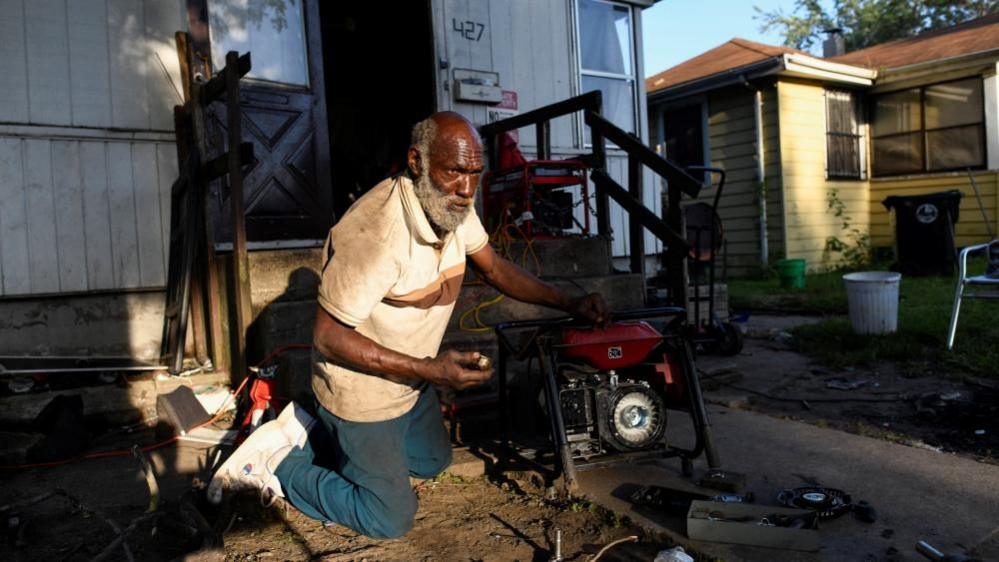
In western Gary, residents like Kevin Allen and his elderly father must rely on a modest, homeowner‑owned generator that’s been running continuously since the lightning‑caused outage. Meanwhile, a market run out of power had to shut its refrigeration strips, sending food into spoilage and forcing the local food‑bank, World Central Kitchen, to provide eating facilities.
The utility company Northern Indiana Public Service (Nipsco) says it is restoring power to every customer as fast as possible, estimating that the city will see full power “by Wednesday.” However, residents have filed a class‑action lawsuit against the company for failing to manage trees that fell on power lines during the storm. One plaintiff recounted how his dental surgery was abandoned and he was left without adequate medication during the outage.
State Governor Mike Braun has called the delays “unacceptable,” calling for federal emergency funds to speed repairs. He urged the Administration of the Federal Emergency Management Agency to issue a major‑disaster declaration—already requested in the trust‑fund accompanying the habitual climate‑storm pattern. By the time of posting, the storm‑related blackout had inevitably exposed the fragility of urban “infrastructure and its ability to weather climate change.”
In a community‑resilience demonstration, residents have been improvising with coolers, ice, and teamwork. A woman named Shatiya Hardin noted the entire neighborhood is “in survival mode,” calling for the federal system to bring extra volunteers (and maybe more generators) into high‑priority zones.
The gridded‑out outages have surprisingly turned into an important data point for measuring the economic impact of future weather disruptions. “With the next surge of bad weather, something like this could happen in places that used to have reliable power,” said local economist Jonathan Roberts, who was watching the data set from the U.S. Department of Energy’s NREL 100‑year datasets. A few hours after the event the system collapsed, creating costly unplanned losses: NCR estimates and budgets expect the city to lose $500M per month for the next 6 months until electricity is fully restored.
The story remains in flux, but as of today the world‑wide data aggregation firmly indicates that the disaster will lead to climate‑change‑oriented resilience programs. The community’s ability to adapt—“we’re going to adapt to any situation”—remains a hint to the fragility of the grid and the need for increased resiliency investment.