The Department of Justice (DOJ) has opened a civil rights investigation into the fatal shooting of Alex Pretti by federal immigration agents, the US deputy attorney general has stated.
Todd Blanche noted he did not want to overstate the significance of this move, describing it as a standard investigation by the FBI when there are circumstances like what we saw.
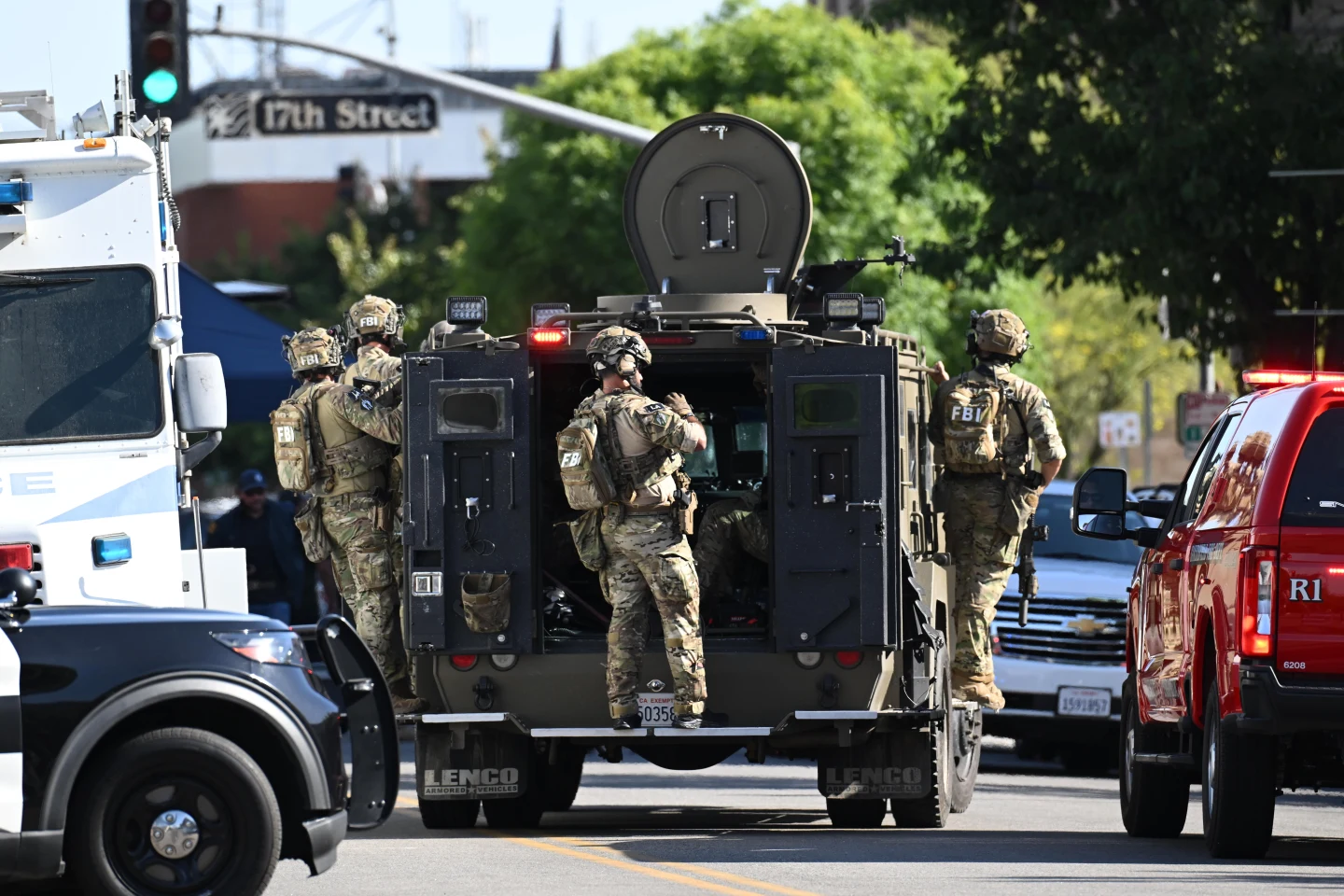
The Department of Homeland Security (DHS) confirmed that the FBI would be leading the inquiry into Pretti's shooting in Minneapolis, with support from the DOJ's Civil Rights Division. Pretti’s death occurred just weeks after Renee Good was shot by federal officers in the same city.
We’re looking at everything that would shed light on that day, Blanche remarked during a news conference. He added that the investigation would include input from lawyers at the civil rights division, as necessary.
Previously, the inquiry was under the oversight of the Homeland Security Investigations branch of Immigration and Customs Enforcement (ICE), according to CBS News.
As part of the investigation, two agents involved in Pretti's shooting have been put on administrative leave, as announced by the US Customs and Border Protection (CBP). A preliminary DHS report indicated that both officers discharged their weapons during a confrontation, despite initial claims that Pretti had brandished a firearm.
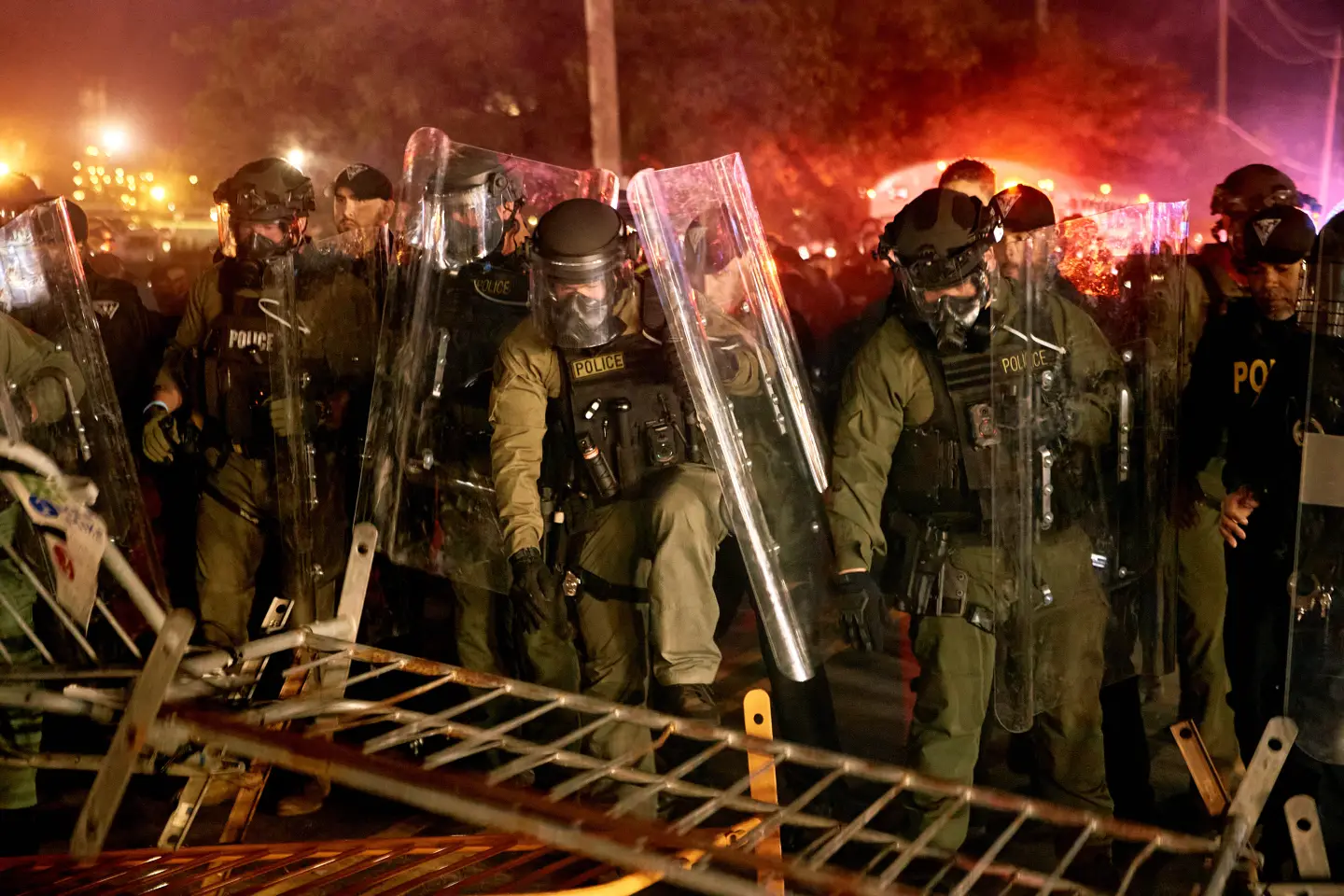
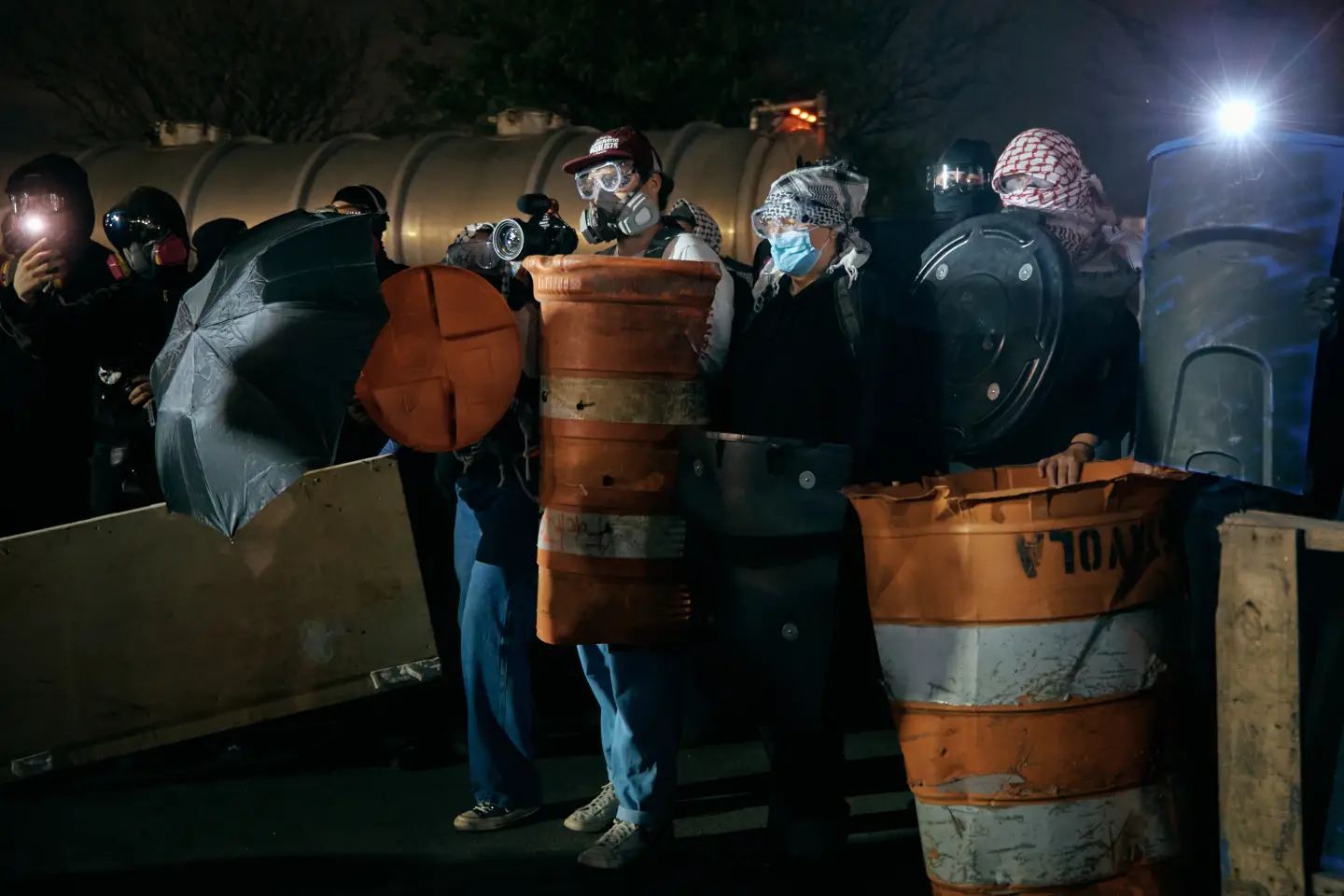
The 37-year-old nurse, who had been a vocal participant in protests following Good's shooting, has triggered a broader public outcry regarding the use of deadly force by federal agents. His death has reignited demonstrations and calls from both state and federal lawmakers to reassess immigration enforcement measures.
Governor Tim Walz of Minnesota and Minneapolis Mayor Jacob Frey have demanded the complete withdrawal of federal agents from the capital region, while the state has sought a federal court order to halt Operation Metro Surge, a recent immigration enforcement initiative involving thousands of officers.
President Trump commented on plans to de-escalate a little bit in Minnesota, with a pledge to reduce federal force presence if local officials cooperate. However, border enforcement officials emphasized that their mission would continue, albeit in a more strategic manner.