Bulgaria - the poorest country in the European Union - has become the 21st member of the eurozone, leapfrogging more economically prosperous candidates like Poland, the Czech Republic, and Hungary.
For many urban, young, and entrepreneurial Bulgarians, the adoption of the euro is an optimistic and potentially lucrative leap into the European mainstream. This change follows Bulgaria's membership in NATO and the EU, and its recent push for inclusion in the Schengen zone.
In stark contrast, older, rural, and more conservative citizens harbor fears and resentment at the thought of abandoning the Bulgarian lev for the euro. The lev has served as Bulgaria's currency since 1881 and has been pegged to European currencies since 1997.
Public opinion is split on the currency shift, with half of the 6.5 million population reportedly against it. This division comes amidst political turmoil, including a recent confidence vote lost by Prime Minister Rosen Zhelyazkov's coalition government.
“I don’t want the euro, and I don’t like the way it has been imposed on us,” expressed Todor, a small business owner. He believes that a majority would vote against it if a referendum were held.
Conversely, others like shop owner Ognian Enev view the transition positively, seeing it merely as a technical change, and expressing hope for increased trade.
Throughout January, transactions can be made in both currencies, although from February 1, payments in lev will cease. Elaborate watchdogs have been established to monitor and address consumer price concerns, and to ensure a smooth transition.
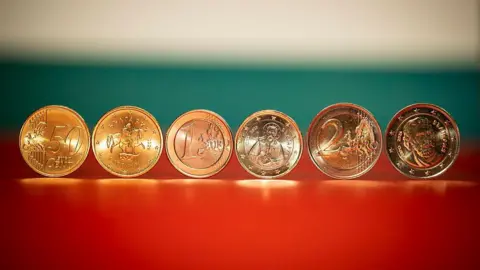
The euro coins now feature Bulgarian symbols, reflecting the nation's history and sovereignty amidst concerns about losing national identity.
While the transition offers potential economic integration benefits, the real impact of euro adoption on Bulgaria's future remains uncertain, with concerns that the country may follow the stagnation path seen in Italy.