In brief
In response to the deadliest air disaster in South Korea's history, the country will implement advanced technology to prevent bird strikes.
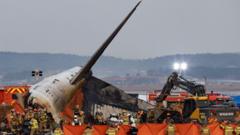
After the devastating crash of a Boeing 737-800 that resulted in 179 fatalities last December, South Korea is taking significant steps to bolster aviation safety. The Ministry of Land has announced plans for all airports in the country to install bird detection cameras and thermal imaging radars by 2026. This decision comes in light of investigative findings that indicated a bird strike was a likely contributing factor to the crash.Evidence gathered included feathers and blood stains located on the aircraft's engines, prompting ongoing investigations into the incident. The crash is currently recognized as the deadliest in South Korean history, with inquiries focusing on the impact of the bird strike and the collision with a concrete structure at the runway's end during an emergency landing."Bird detection radars will be established at all airports to improve the early identification of distant birds and enhance response measures for aircraft," the Ministry stated. These radars will assess bird size and movement patterns, relaying critical information to air traffic controllers to mitigate potential risks.As part of the safety measures, each airport will also be required to have at least one thermal imaging camera, although only four airports currently possess this technology. To further minimize risk, the ministry emphasized relocating sites that attract birds, such as landfills, away from airport peripheries.In conjunction with these improvements, South Korea had previously announced adaptations to safety areas at seven airports following a comprehensive safety review. While the cause of the December crash is still being investigated, aviation experts believe that the number of casualties could have been reduced had it not been for the concrete structure that the aircraft struck after making an emergency landing attempt.On December 29, the flight, operated by budget airline Jeju Air, departed from Bangkok bound for Muan International Airport. Just minutes after takeoff, the control tower alerted pilots about "bird activity." Shortly after, the plane struck a bird and declared a mayday signal, leading to an emergency landing attempt. Investigators have found that flight data and cockpit voice recorders ceased functioning minutes before the crash.The passengers onboard consisted of individuals ranging in age from three to 78, with the majority in their 40s, 50s, and 60s. Tragically, only two cabin crew members survived the harrowing incident.