In brief
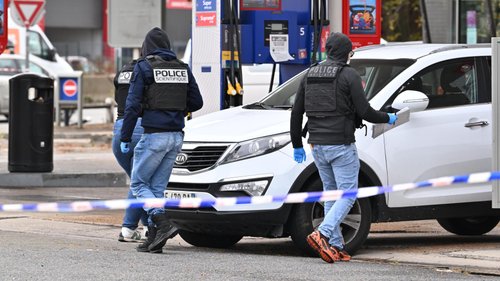
On 24 October 2026, France saw widespread protests over cost of living and school conditions, resulting in more than 1,300 arrests and violent clashes in cities from Paris to Marseille. While police deployed tear gas and water cannons to curb the unrest, dozens were injured and some businesses suffered damage. Authorities managed to avoid the level of rioting seen a week earlier, though the large number of arrests signals mounting discontent. The protests have intensified political tensions ahead of a highly contentious presidential election next year.
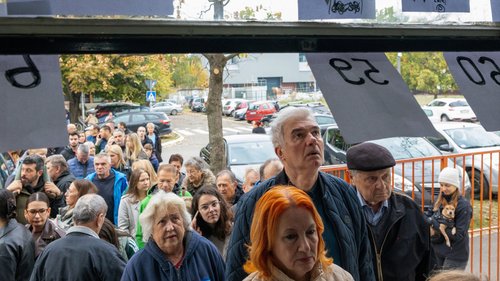
More than 1,300 arrests were reported after a second day of protests across France. Millions of people joined demonstrations in cities such as Paris, Marseille, Bordeaux and Lyon, demanding lower costs of living and better school conditions.
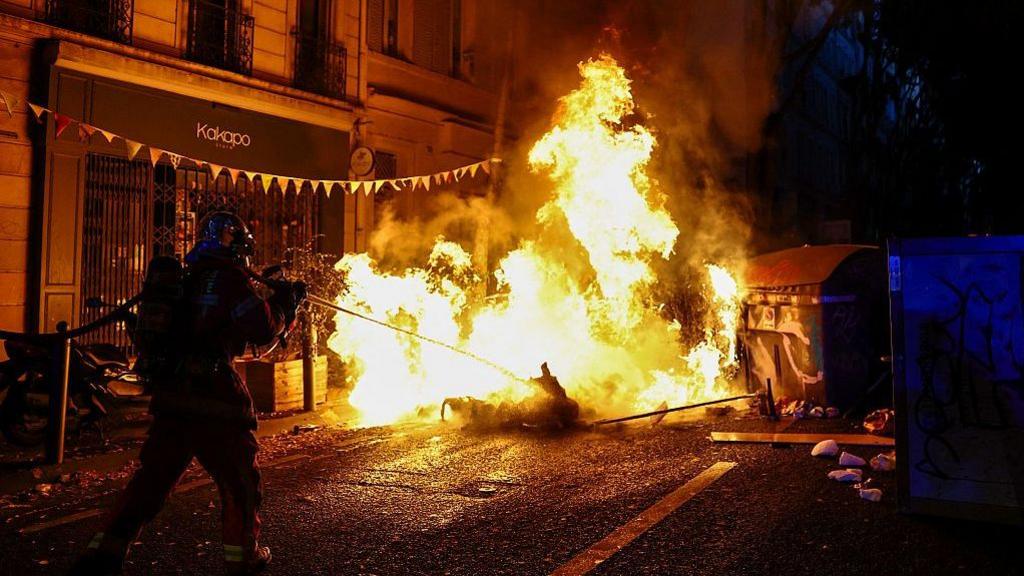
Police forces reacted with tear gas, water cannons and baton charges to disperse crowds that had turned violent. In Marseille, makeshift street barricades were set alight and a law‑enforcement vehicle was driven through a burning barricade. In Bordeaux, protesters built a barricade from a building’s boards and objects were thrown at police.
The interior ministry said 53 officers were injured during the week‑long unrest, while the police force of 70,000 was deployed across the country. A total of 142 people were arrested in Paris, less than the number last week.
President Emmanuel Macron has limited permitted demonstrations to those organised by recognised trade unions, yet hundreds of individuals have been jailed for vandalism and arson. Political parties have used the unrest to blame one another, each blaming the other side for the chaos.
The protests have become a backdrop to a deeply divided political landscape, as France prepares for what could be the most polarised election in a generation. The country is set to elect a new president next spring, with leading candidates from the far right and far left facing off in a contest that has already seen public demonstrations in cities such as Orléans and Brussels.