In brief
North Korean state media recently released images of Kim Jong Un touring an exhibition with his daughter, showing him in good health. The photos arrived hours after a Chinese dissident claimed Kim had died from a brain haemorrhage while in Beijing. Analysts argue the rumours persist because of shaky succession plans and the regime’s opaque nature, and that any sudden leadership crisis would unsettle regional stability and raise serious security concerns.
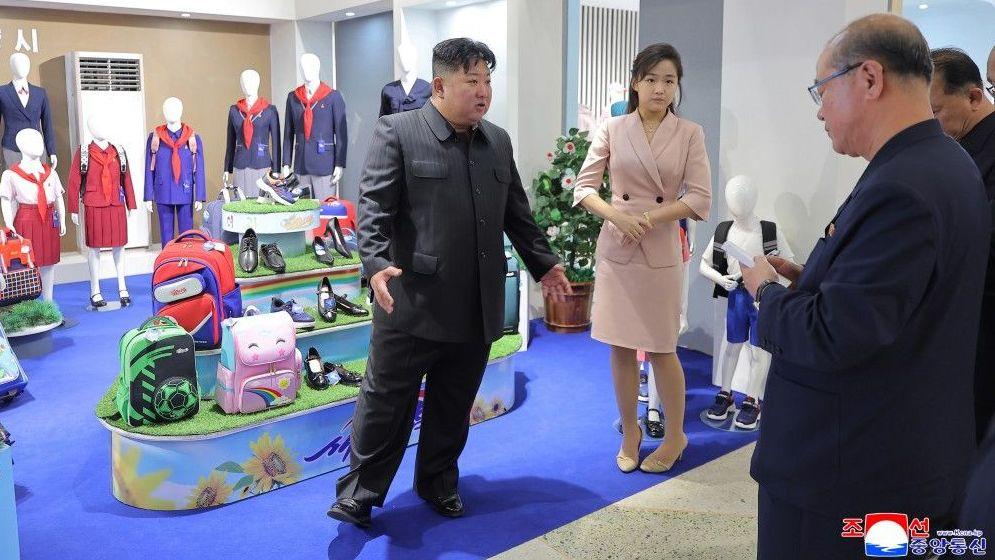
Kim Jong Un has been seen in North Korean state media looking remarkably healthy, defying sudden death rumours that surfaced online this week.
Official photographs released by the state newspaper Rodong Sinmun depict the 42‑year‑old dictator touring a clothing and footwear exhibition together with his daughter, Kim Ju Ae. The images appeared just hours after a Chinese dissident—identifying himself as chairman of a banned political party—claimed, without any evidence, that Kim had been taken to a Beijing hospital in a coma and subsequently died of a brain haemorrhage.
North Korea’s opaque information environment makes it difficult to confirm either the rumours or the photos, but the visual evidence provides a direct counter‑point to the death allegations. Analysts point out that such uncertainties are almost routine in the country, where the succession of power has lapsed from a generational handover to a more abrupt and contested elevation.
Kim Il Sung carefully groomed his son, Kim Jong Il, ensuring a smooth transition when he died in 1994. Kim Jong Il’s own ascent was more rapid, following his father‑suffered stroke in 2008. By the time Kim Jong Un assumed control in 2011, he had already been publicly identified as the heir. However, the young leader has consolidated power through purges and vetting, and the future of succession remains ambiguous. South Korean intelligence suggests that Kim Jong Un may be grooming his thirteen‑year‑old daughter as a potential successor, a precedent never seen in the country’s history.
Beyond questions of domestic stability, rumours of the North Korean leader’s death carry significant international implications. A sudden leadership crisis could trigger uncertainty over the control of the country’s nuclear arsenal, spark a refugee exodus along the Chinese border, and prompt hardliners to pursue risky military posturing. Consequently, intelligence agencies across China, South Korea and the United States maintain close surveillance of any developments.
The opaqueness of the regime, combined with deliberate misinformation, creates fertile ground for rumours that are rarely corroborated. The most recent claim, emanating from a defector with limited credibility, is likely an attempt to attract attention or embarrass Beijing by spotlighting its close ties with Pyongyang.
In short, while the latest photographs dispel immediate concerns about Kim Jong Un’s health, the deeper uncertainties surrounding succession and the regime’s deliberate ambiguity explain why death rumours continue to circulate.