In brief
Gabon announced the re‑opening of its social media platforms after a ban that had been in place since February. The High Communication Authority cited concerns over online content fueling conflict, a claim that drew criticism when the ban first imposed. With Facebook, TikTok, YouTube and Instagram suddenly buzzing again, citizens turned away from VPNs to access the sites. The decision comes as President Brice Oligui Nguema faces unrest and opposition protests over the legitimacy of his 2025 election. The move marks a significant shift in Gabon's information landscape and raises broader concerns about free expression and state control of the internet in Africa.
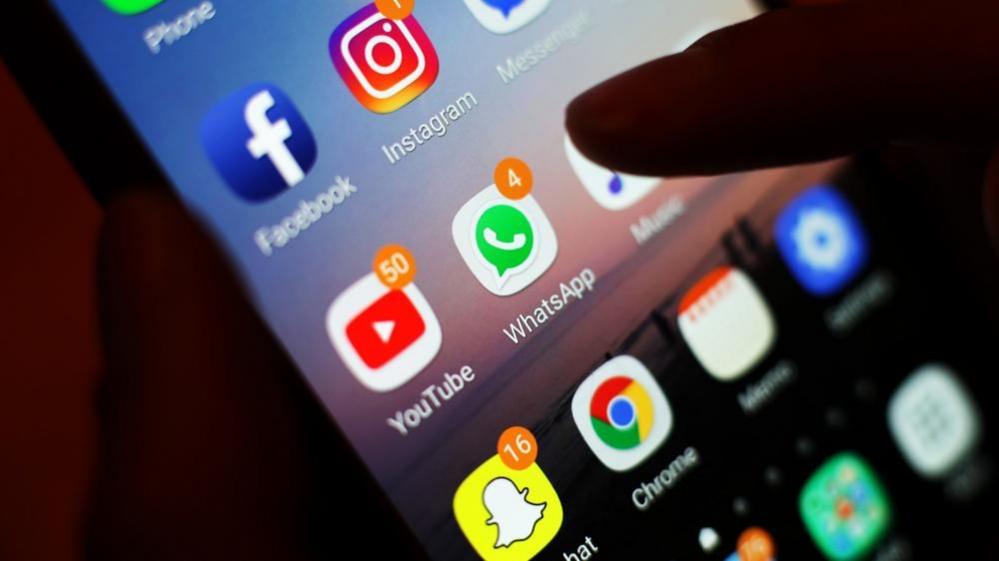
The High Communication Authority (HAC) announced on Saturday that Gabon is lifting the ban it imposed on social media platforms in February, a decision that has been welcomed by citizens across the country. The ban, which targeted services such as Facebook, TikTok, YouTube and Instagram, was justified by the regulator as a measure to curb conflict‑sparked online content, a claim that drew widespread criticism from civil society and opposition groups.
The seven‑month restriction left about 2.5 million Gabonese unable to access widely‑used apps, prompting many users to rely on virtual private networks (VPNs) to bypass the blackout. With the ban lifted, internet traffic on local networks surged, and people are now returning to social media for both business and leisure. The immediate response has been one of relief, especially among younger users who had relied on these platforms for economic activities and community engagement.
Politically, this development comes as President Brice Oligui Nguema’s administration continues to face social unrest and opposition accusations of power abuse. The ban was introduced during a period of heightened tension, following the president’s 2025 election win—an event that was initially contested and led to nationwide protests. The HC’s statement notes that the decision is driven by the need to restore stability and mitigate the spread of false information, signalling a shift in the government’s approach to digital governance.
While the reinstatement of social media is a step toward normalcy, it also underscores the fragile state of digital rights in Gabon. Analysts warn that the ban’s rapid reversal could set a precedent for sudden internet disruptions in the future, potentially stoking further conflict if political tensions flare again. For now, Gabonese citizens can reconnect with the global digital community, though the longer‑term implications for press freedom and information flow remain uncertain.