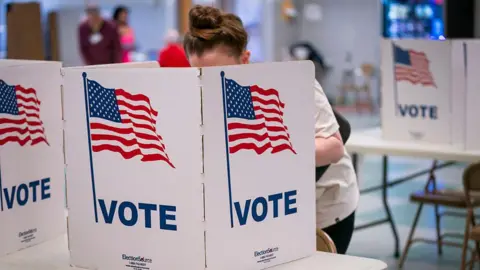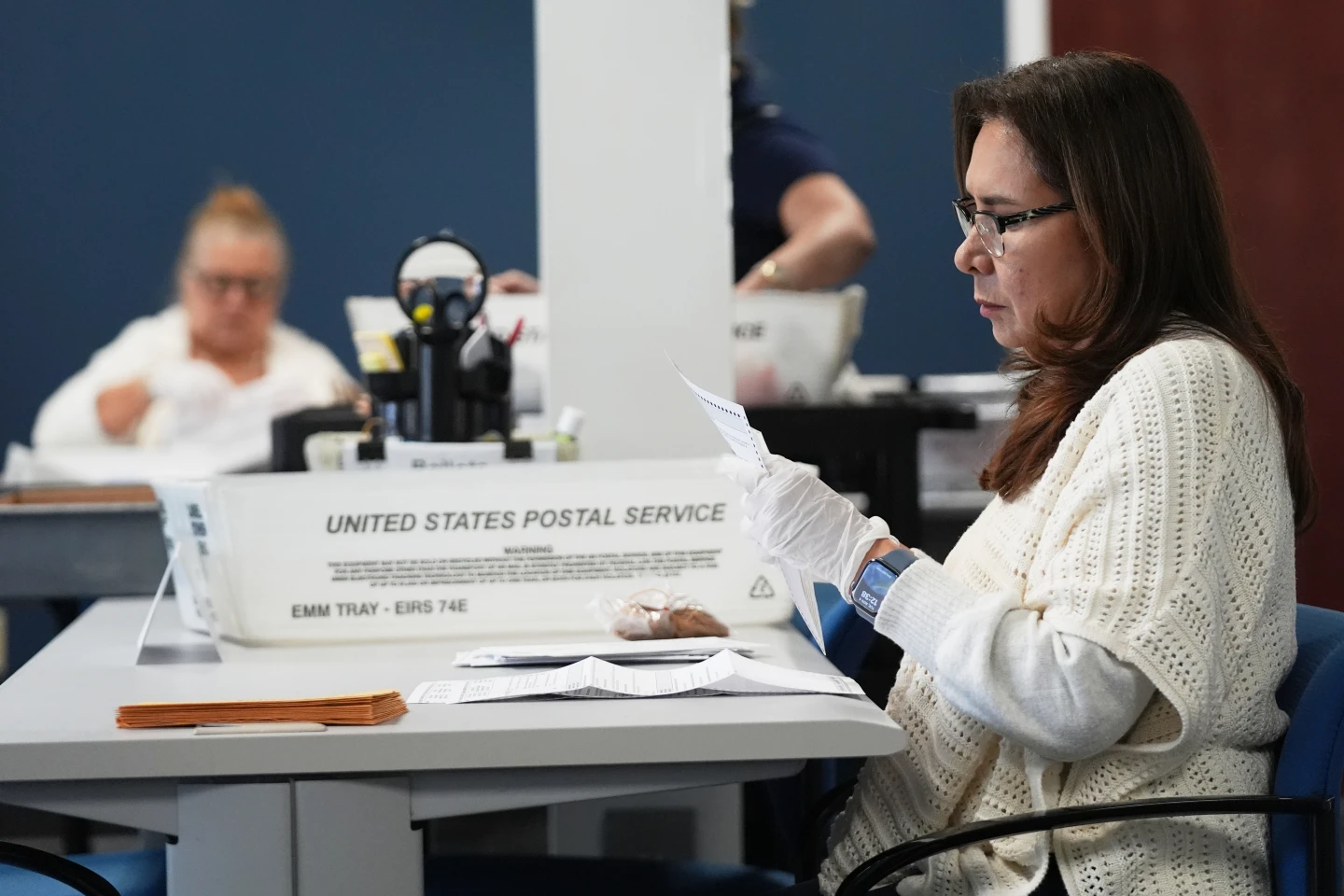
In a pivotal Supreme Court session held on Monday, justices explored the legality of state laws that enable the counting of mail-in ballots arriving after Election Day. This case, stemming from Mississippi, has broader implications for voters across 13 other states and the District of Columbia, all of which currently have provisions in place to receive late mail ballots. A decision is anticipated by late June, potentially impacting the upcoming midterm congressional elections in 2026.
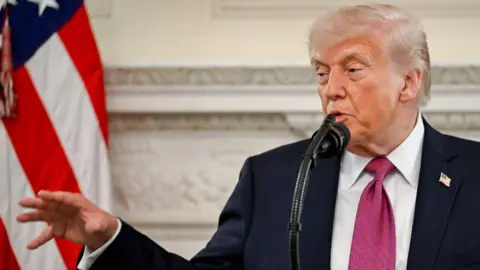
The court's conservative majority expressed skepticism towards these laws, reflecting sentiments from former President Donald Trump, who has long criticized mail-in voting as a vehicle for election fraud—a claim that lacks substantial evidence. Justice Samuel Alito raised concerns about the integrity of elections when large numbers of late ballots could change outcomes.
Mississippi Solicitor General Scott Stewart defended the state's regulations by noting that the Trump administration failed to provide a single instance of fraud related to late mail ballots. This legal challenge is part of a larger movement targeted at reducing mail balloting, further complicated by Trump's executive orders aimed at reinforcing strict voting deadlines.
Meanwhile, the court's liberal justices highlighted the importance of maintaining current voter practices, with Justice Sonia Sotomayor arguing that any changes should be decided via congressional or state legislative action, rather than through judicial intervention. The potential for disenfranchisement and confusion among voters who have grown accustomed to existing ballot acceptance timelines was a recurring theme throughout debates.
States like California, Texas, New York, and Illinois, which permit late ballot counting, alongside rural regions in Alaska facing logistical challenges, could see significant operational disruptions should the court impose new requirements aligned with federal standards.
The core issue before the justices revolves around whether federal law mandates a unified Election Day for ballots to be both cast and counted. This pivotal ruling may set a precedent affecting mail-in voting practices and voter access for years to come.