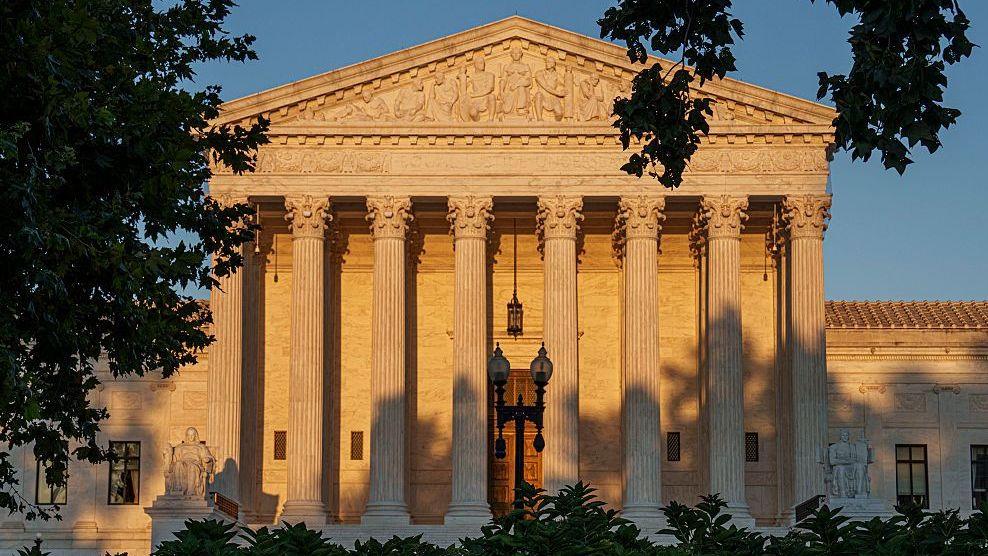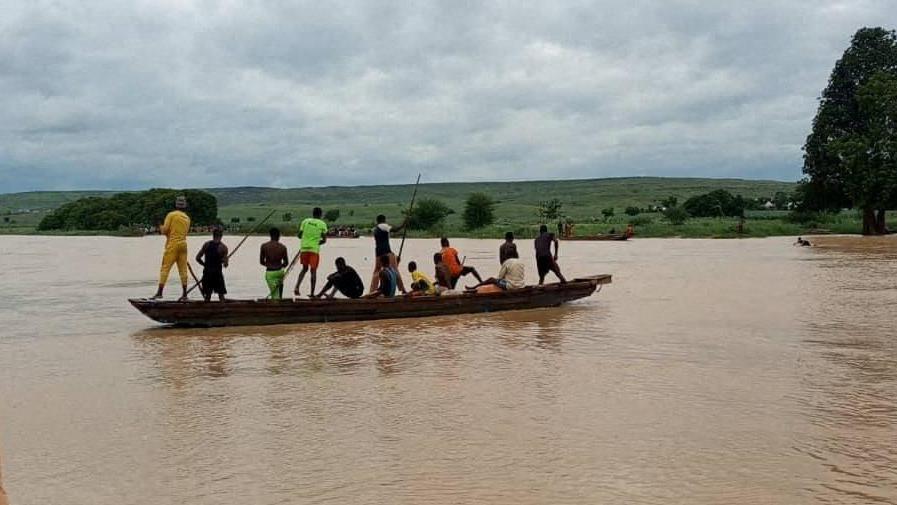
In the remote Alaska village of Beaver, residents depend heavily on air service to receive essential supplies and participate in elections. Despite its small population of around 50, this village's experience highlights the significant implications of a Supreme Court case set to impact mail-in voting across the nation.
The court is examining a Mississippi case that questions whether ballots postmarked by Election Day can be counted if they arrive late. For Alaska, where many residents vote by mail due to geographical isolation, this decision could end the current practice that allows ballots to arrive days after the election.
Rhonda Pitka, a local poll worker and chief in Beaver, emphasized that eliminating the grace period would disenfranchise thousands in rural communities, stating that it effectively means their votes would not count.
In Alaska's vast, sparsely populated terrain, mail delivery is often delayed, raising the stakes for voters who rely on these ballots. Advocates argue that Alaska's unique challenges necessitate continued leniency for mail-in ballot deadlines, fearing that a ruling against grace periods would exacerbate existing barriers faced by voters.
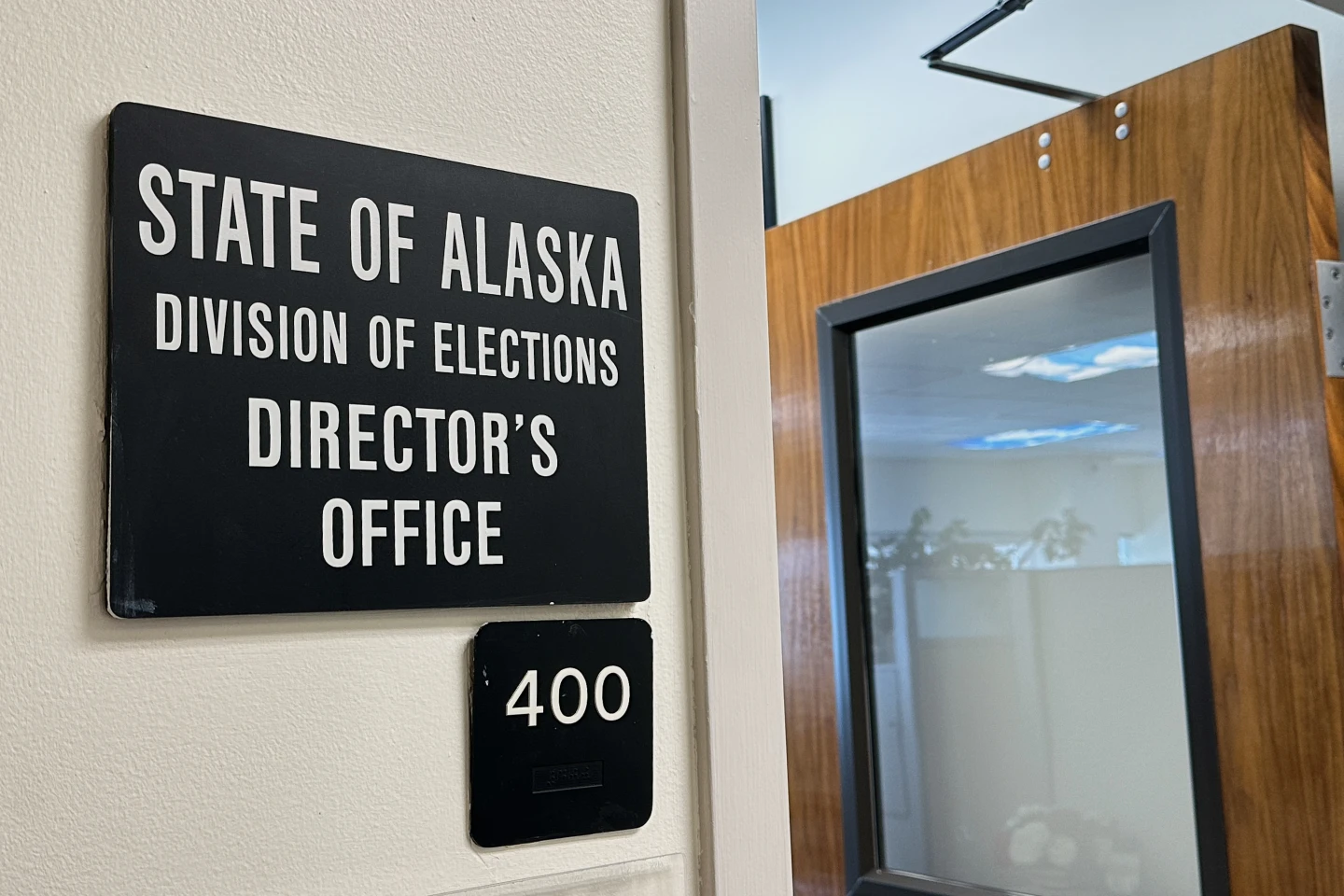
Since Alaska allows ballots to be counted if they’re postmarked by Election Day and received within ten days, its distinct requirements showcase how logistical considerations directly affect voting rights. Approximately 50,000 Alaskans voted by mail in the previous presidential election, a number that could significantly drop if deadlines tighten.
Senator Lisa Murkowski has expressed concern that ruling against grace periods may disproportionately affect Alaskan voters, asserting that her state could suffer the most should changes occur. As the Supreme Court considers the arguments, Alaska officials stress the importance of accounting for the state’s unique challenges when reflecting on voting rights and election accessibility for all Alaskans.