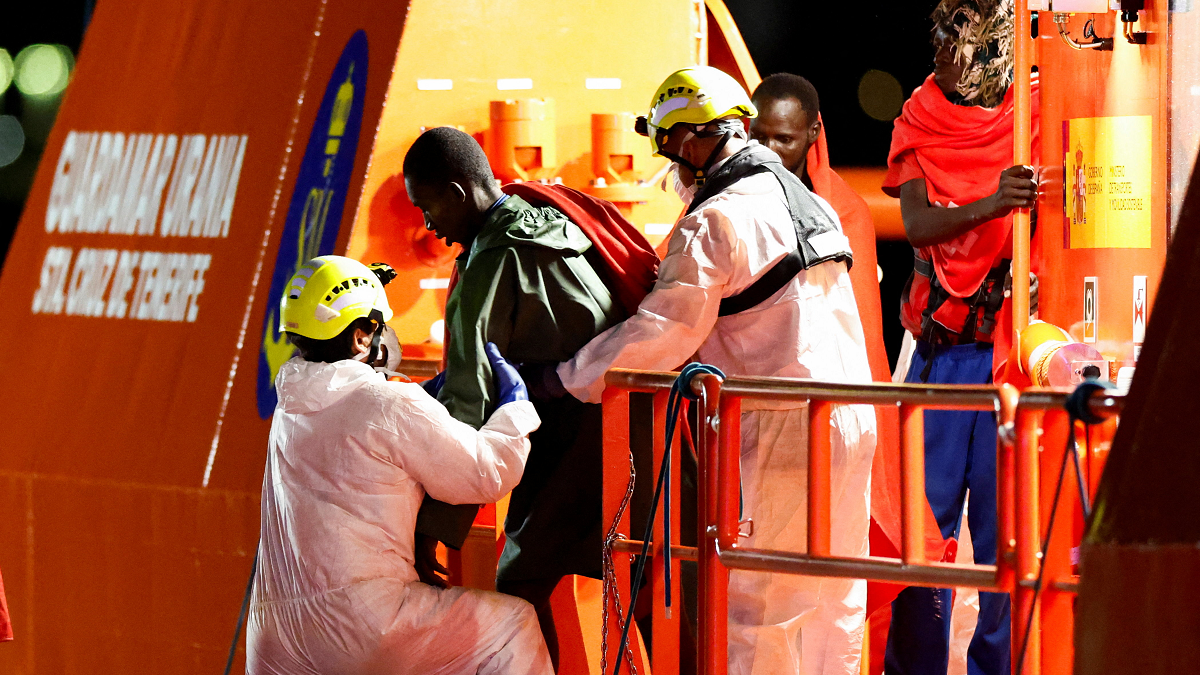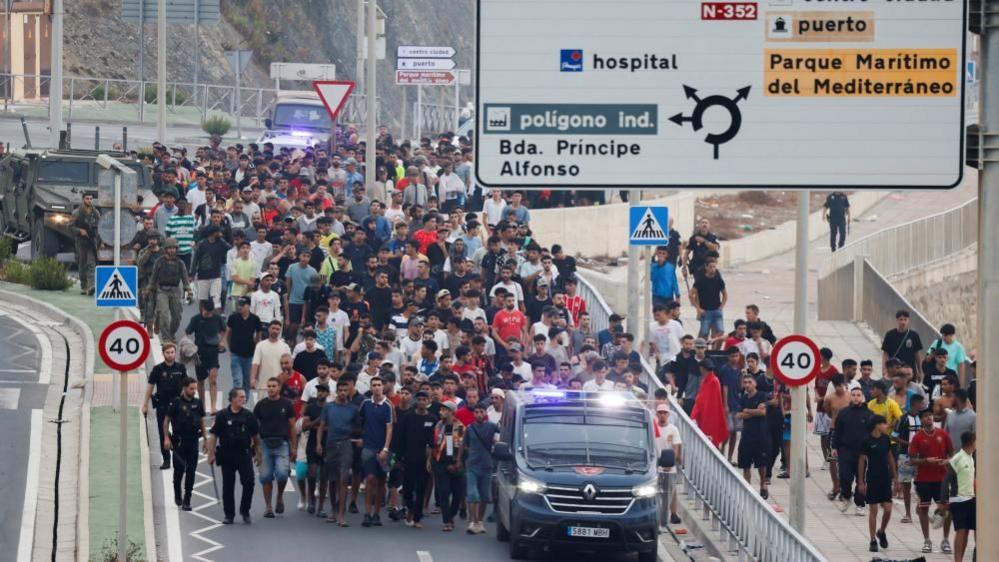
The Spanish government has publicly condemned what it describes as the "selfish, polarising and unlawful" reaction of some European Union countries to an unprecedented surge of migrants entering the Spanish enclave of Ceuta from Morocco. This month, an estimated 60,000 people crossed the northern African border on 30 July, overwhelming local security forces and sending shockwaves through EU policy circles.
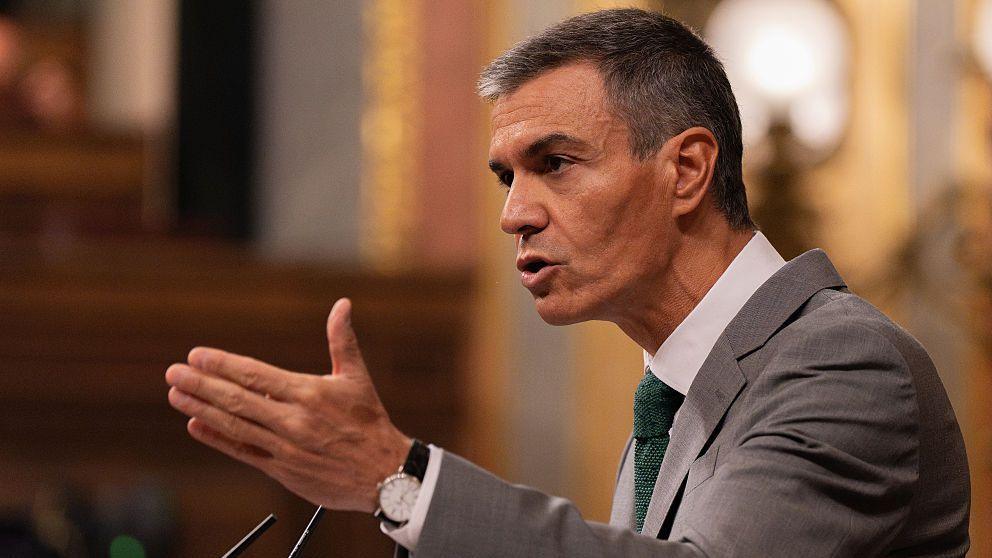
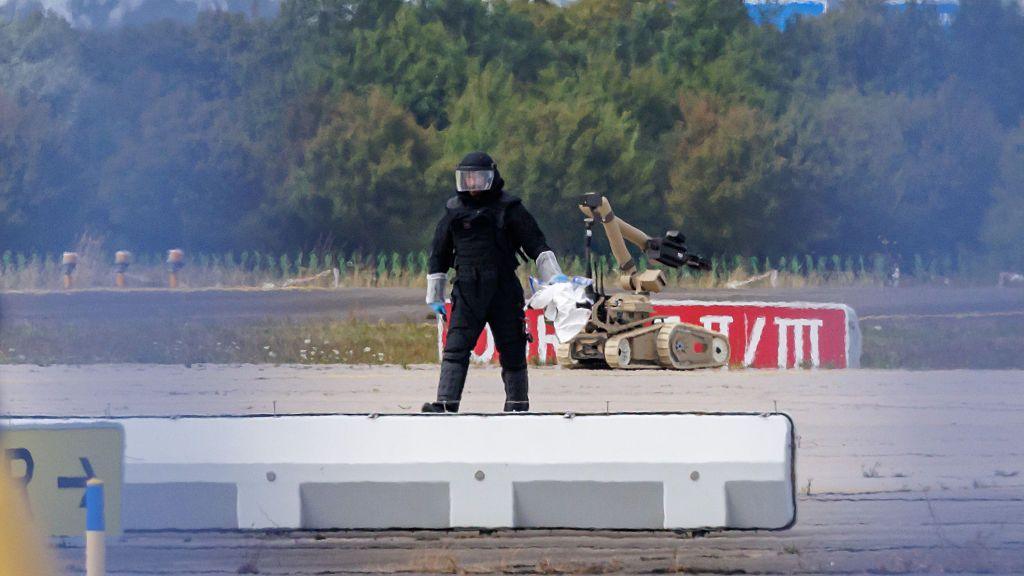
Interior Minister Fernando Grande‑Marlaska reported that the death toll had risen to 67, while Spanish Prime Minister Pedro Sánchez took the diplomatic reins in Madrid, dispatching troops, police, drones, divers and boats to Ceuta and the neighbouring enclave of Melilla. In less than 48 hours the government said it had “fully restored control over the border and prevented any unauthorized onward movement towards continental Europe”. The government also urged Morocco to “take back illegal migrants immediately”.
The fallout quickly spread beyond Spain’s borders. Italy’s Prime Minister Giorgia Meloni condemned the “uncontrolled immigration” as a threat to national security and temporarily suspended the Schengen‑area tolerance of border controls with Spain. Finland’s Interior Minister Mari Rantanen prepared to re‑introduce checks if needed, and Denmark’s Prime Minister Mette Frederiksen called on the EU to consider suspending Schengen cooperation entirely. Czech Prime Minister Andrej Babiš urged a temporary halt to Spain’s Schengen membership.
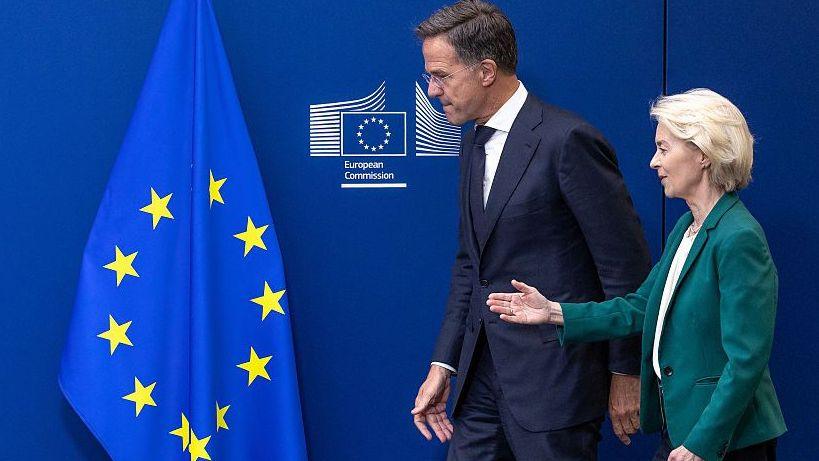
In response, Madrid summoned the Italian ambassador and lobbied European Commissioner Aurore Dufourna for solidarity, arguing that “the EU cannot afford this kind of selfish, polarising and unlawful reaction.” EU Commissioner Magnus Brunner later confirmed that “not a single person has crossed to mainland EU” following the events. The European Parliament approved tougher migration rules, granting authorities broader powers to return irregular arrivals, and the European Commission President Ursula von der Leyen scolded the images from Ceuta as “unacceptable”.
Madrid’s handling of the crisis has been influenced by a 2021 Supreme Court ruling that migrants stranded at sea could not be summarily returned to Morocco without due process. Sanchez blamed trafficking mafias for the surge, characterising the incident as a “violation of Spain’s territorial integrity” and a self‑serving interpretation of that Supreme Court ruling that spread “like wildfire”. While Ceuta has historically been a primary gateway for migrants attempting to reach Europe—often organised through social media—Spain also pushed a plan in April to grant legal status to 500,000 undocumented migrants, a policy criticised by some right‑wing EU leaders for its potential impact on neighbours.
The international backlash exemplifies the tense interplay between national sovereignty, EU solidarity and migration governance. Climate of fear, misinformation and political opportunism has amplified the crisis, urging European leaders to reconsider how the shared Schengen Zone and border protocols function under asymmetric pressure. Spain’s firm stance against political critique underscores its view that migration policy should be addressed collectively, not as a partisan battleground. The situation remains fluid, with the EU continuing to navigate the thin line between humanitarian obligation and border security amid a worldwide migration crisis.