South Africa’s Anti‑Migrant Riots Escalate After Court Ruling
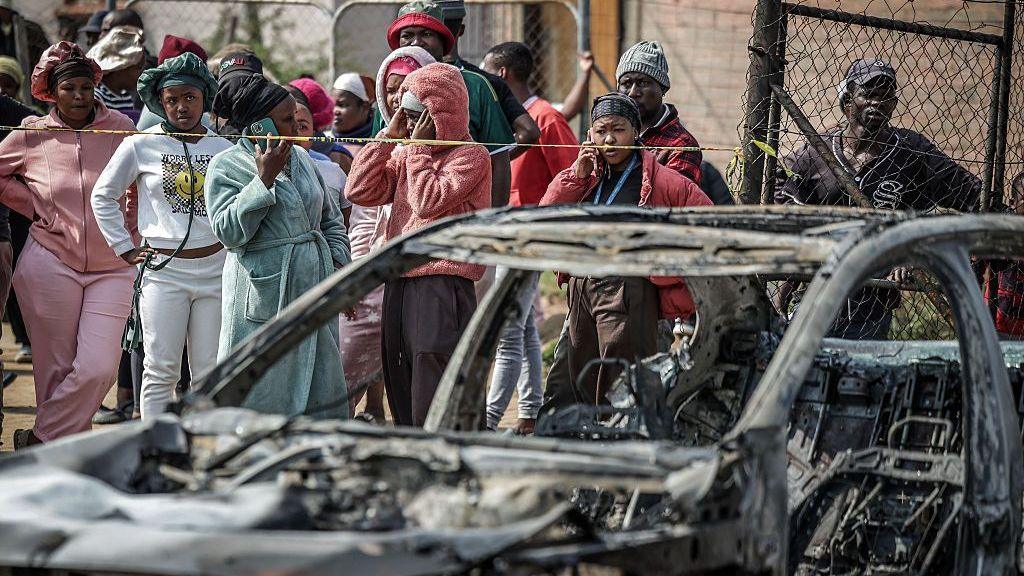
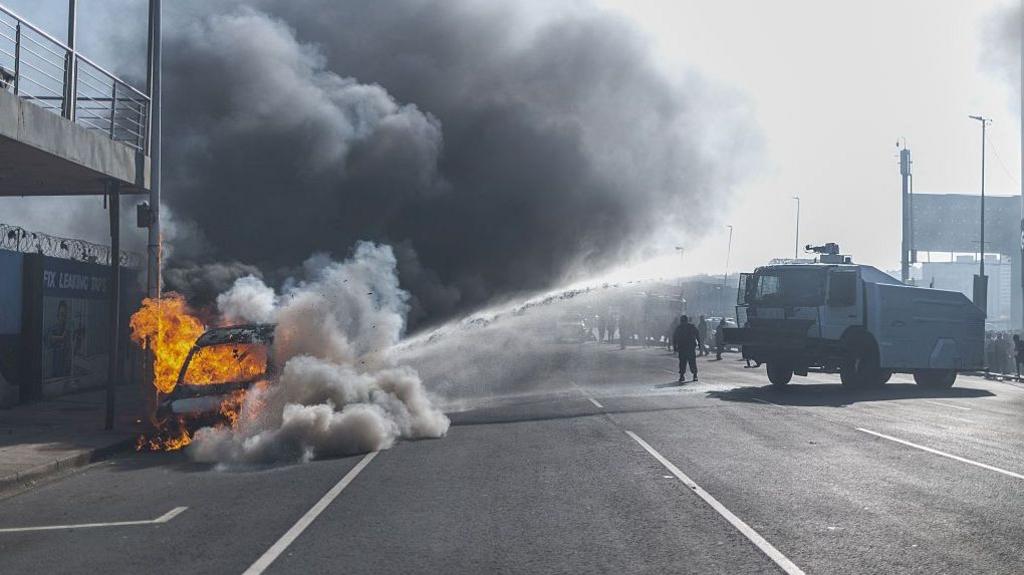
In late October, at least twenty‑four vehicles were set alight and foreign‑owned shops looted in Soweto and Durban after protests over a court decision that allows some undocumented migrants to apply for asylum.
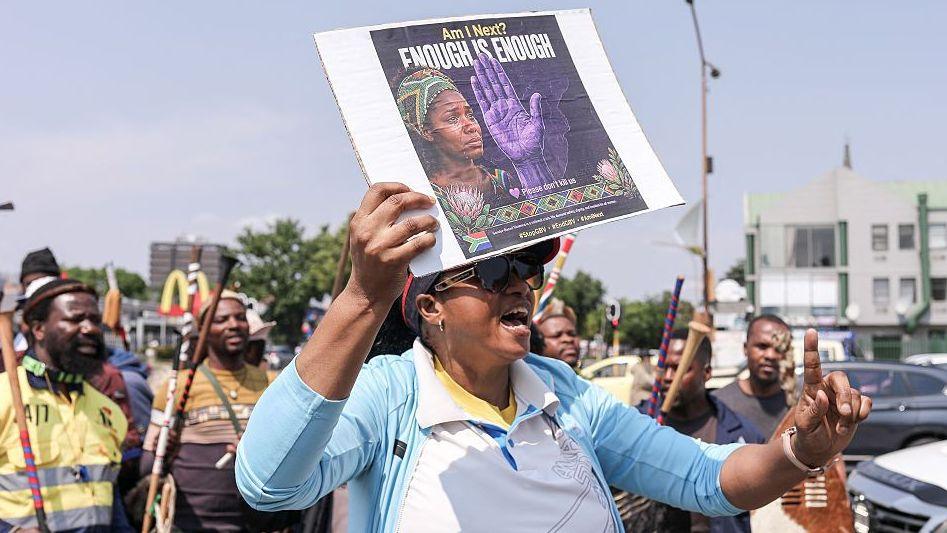
The violence began on Thursday evening in Soweto, a sprawling township outside the world’s largest economic hub, and at a refugee reception centre in Durban, a key port city. Demonstrators chanted that “South Africans must be protected” and demanded the closure of non‑native small convenience stores, locally known as spaza shops.
Police fired rubber bullets to disperse the crowds. Sixteen vehicles were torched in Durban and ten in Soweto, while gunfire was reported in the latter area when locals confronted foreign shopkeepers.
Acting national police commissioner Lt Gen Puleng Dimpane condemned the destruction of property and promised an immediate inquiry into those responsible. Reinforcements were dispatched to prevent further escalation.
The unrest follows a July ruling by the Constitutional Court that overturned restrictions preventing certain undocumented migrants from applying for asylum. The court emphasized that each application would still undergo individual assessment.
Government spokesman William Baloyi cautioned that the court order does not automatically grant permanent status to undocumented entrants. He said the ruling would not destabilise public safety, but that rumours of a “massive influx” had inflamed anti‑immigration sentiment.
Analysis by migration scholars notes that fears of job theft, crime and public service pressure have little basis in evidence, yet remain a potent trigger for xenophobic attacks. South Africa has a long history of such violence, with a 2008 outbreak that claimed more than sixty lives and displaced dozens of thousands.
Despite significant poverty and unemployment, the country remains a major destination for migrants seeking employment and safety. The recent surge of violence highlights the tension between economic necessity and nationalist fervour.