Antonio Bustamante has kept a watercolor of labor leader César Chávez for more than 35 years, hanging it on the wall of his law office in Yuma, Arizona. As a young man, he was moved by Chávez and helped organize workers before joining his security team.
Now, Bustamante finds himself reconciling the man he admired with allegations that Chávez groomed and sexually abused women and young girls.
“I’m trying to figure out how emotionally and intellectually I’ll be able to understand my perception of him as an extremely good man,” he reflected, “compared to these things that are said he did.”
Chávez built a national reputation organizing in the fields. Alongside Dolores Huerta—also one of his victims—he co-founded the United Farm Workers union, leading a hunger strike and a grape boycott that pressured growers to negotiate better wages for Mexican American farmworkers.
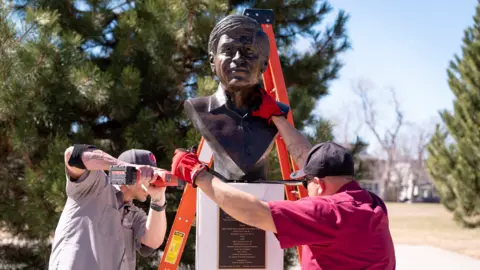
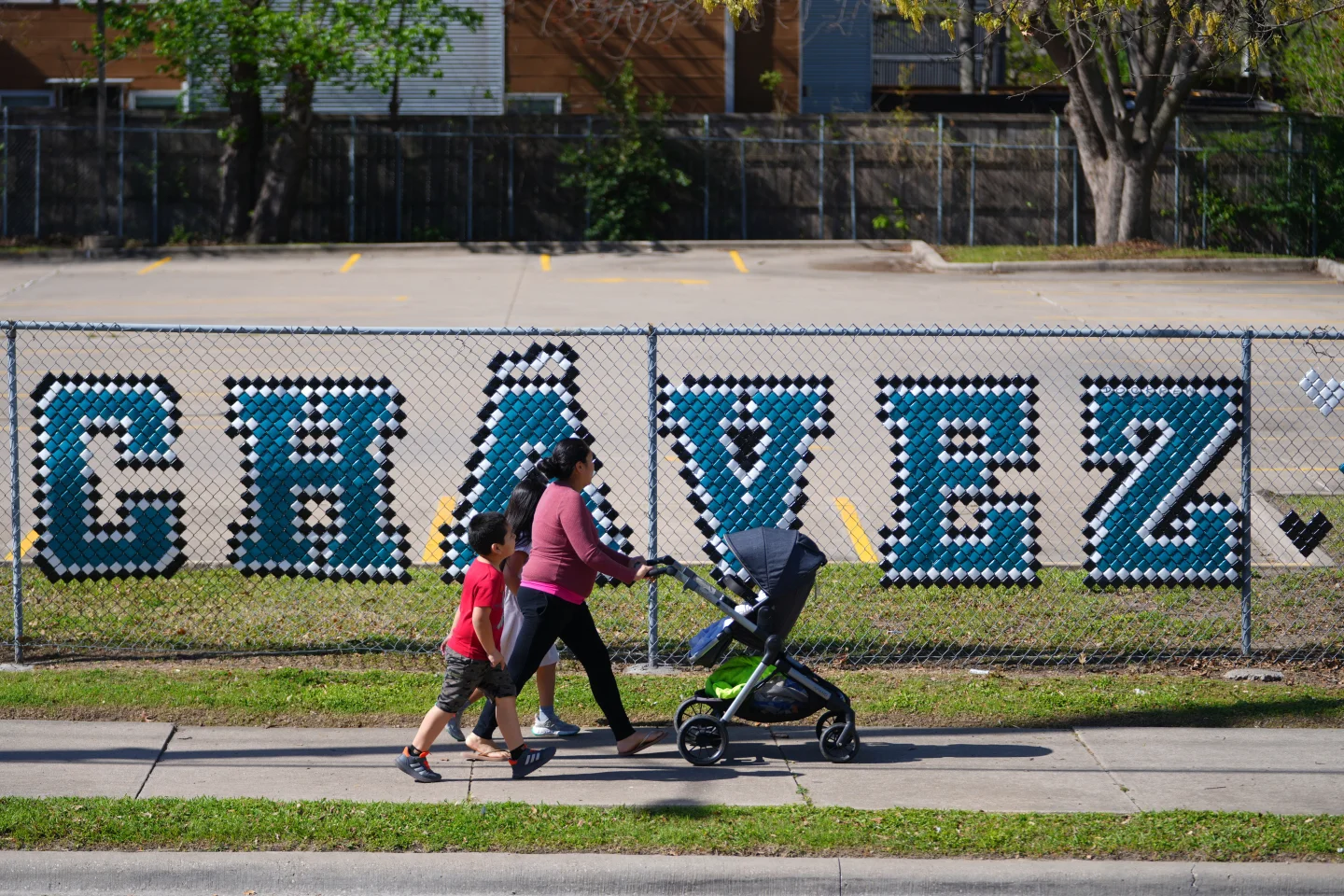
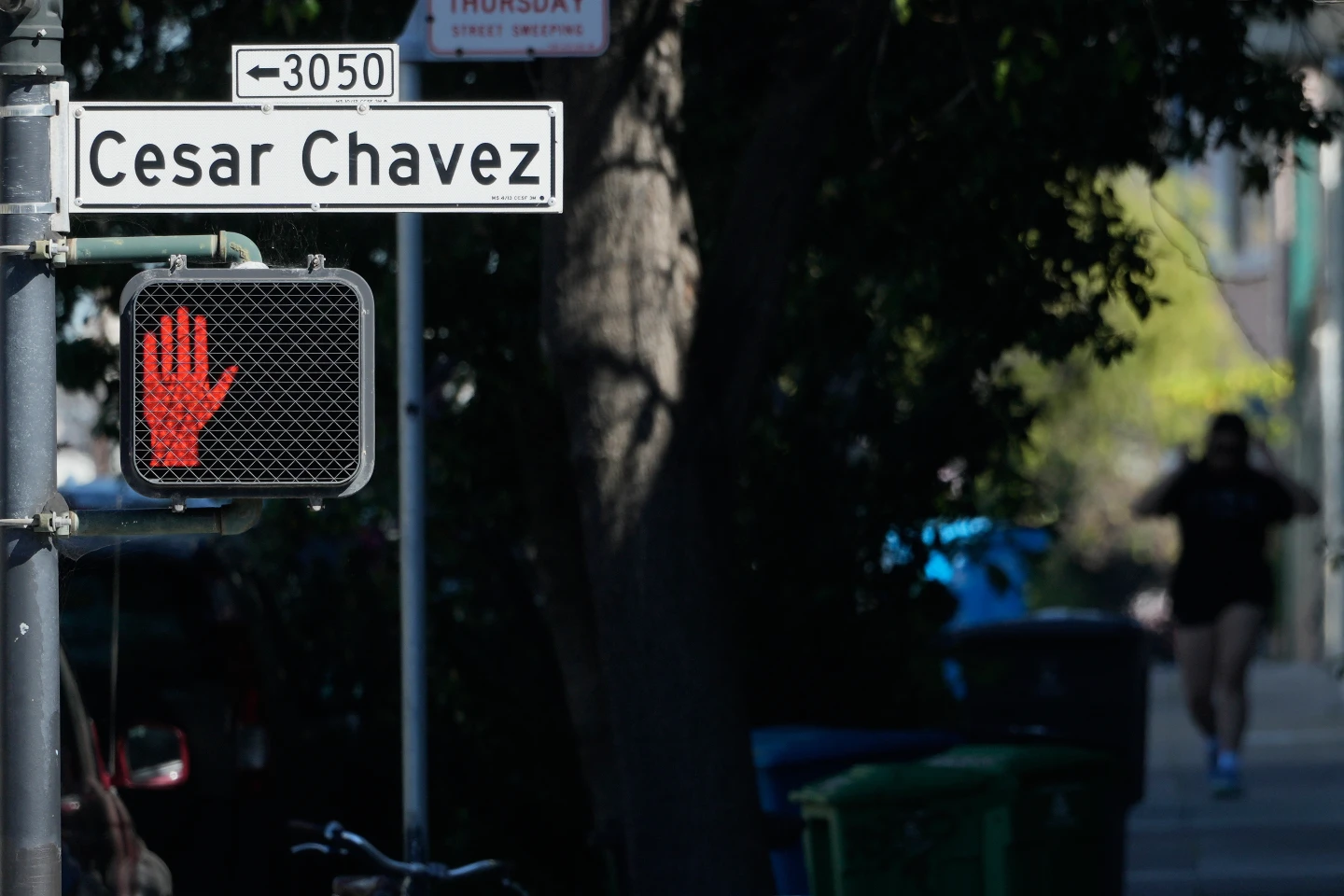
In the wake of a New York Times exposé, communities are re-evaluating Chávez's legacy. Some have removed his name from monuments and celebrations across the country.
Reckoning with a Legacy
Bustamante learned of the allegations from an old friend, immediately imagining the pain it would inflict on others who revered Chávez. “We were looked down upon by society, we were Mexicans,” he recalled, remembering Chávez's inspiring speeches in the 1970s that instilled a sense of worth among his community.
Now, his friends are taking down images of Chávez, which Bustamante likened to denying their heritage. “It's like denouncing Catholicism and removing photos of the pope,” he said.
One Person Does Not Make a Movement
For many, this situation illustrates why movements shouldn't be personified by one individual. United Farm Workers President Teresa Romero acknowledged this duality, emphasizing that while Chávez's actions were unjustifiable, his contributions to the labor movement cannot be erased.
Casper of Latinos in Heritage Conservation reinforced that the movement was driven by collective effort and that the rights gained belong to those who fought for them, not just Chávez.
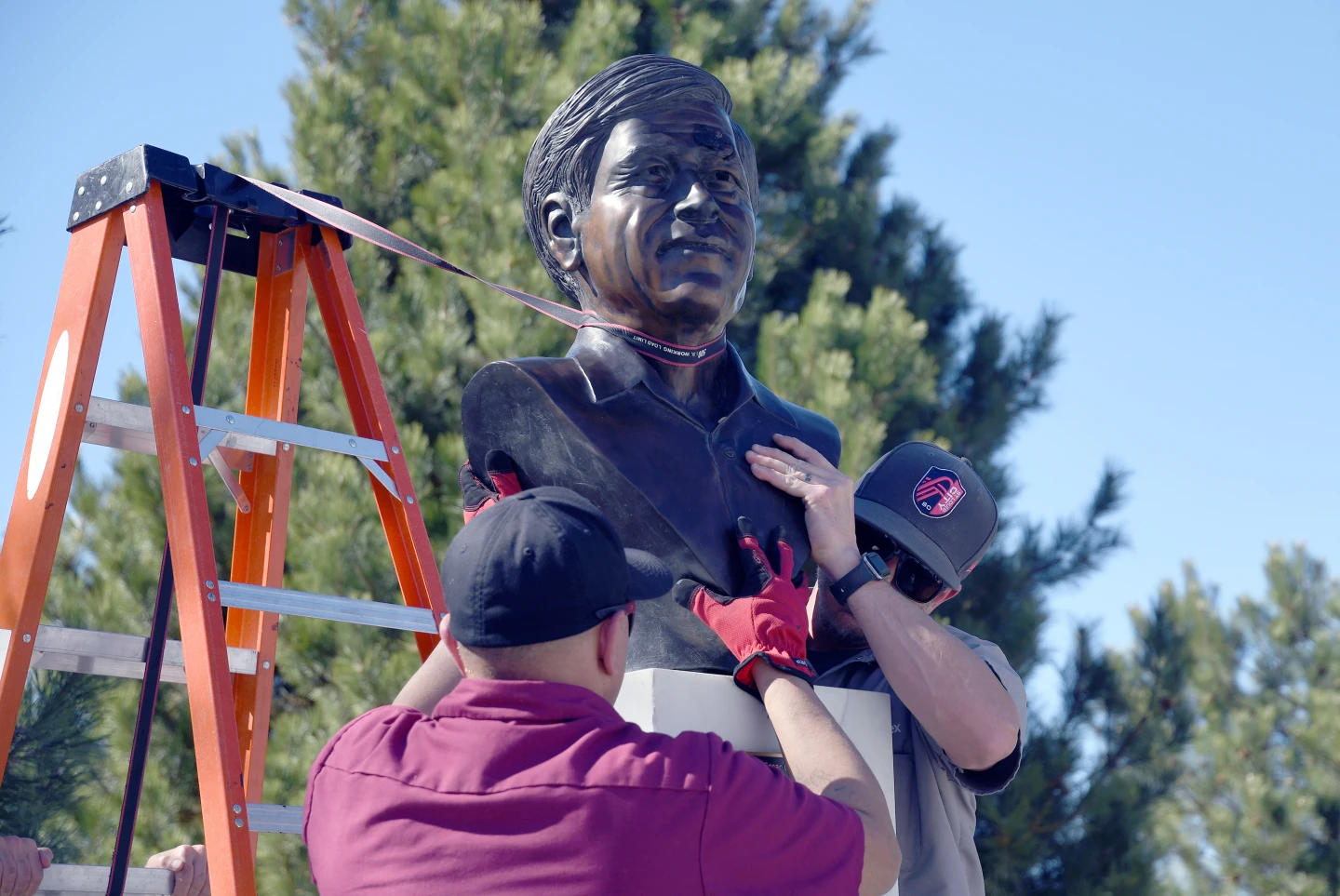
In the public sphere, statues have been removed, and events celebrating Chávez's legacy have faced cancellations. Political leaders have spoken out on the issue, with some suggesting that the allegations tarnish Chávez's once-esteemed reputation.
Despite these revelations, advocates stress that the civil rights movement continues, underscoring that legacy is built on collective action rather than one person's actions. Bustamante reflects, “There will always be an asterisk next to Chávez’s name, but that doesn’t negate the importance of his contributions.”