## What is Calo Programs?
Calo, operating under the name *Change Academy at Lake of the Ozarks*, opened in 2007 as a 40‑bed facility in rural Missouri. The campus has since grown to 144 beds, offering a summer‑camp‑like environment that is billed as healing through bonding with golden retrievers and “creating joy” for children tagged as having the “hardest‑to‑treat” cases. About 90 % of its residents are adopted, and the corporation has marketed itself as a solution for the missing‑child crisis that disproportionately affects adoptees.
## The high price, low service
The facility charges as much as $20 000 a month, a figure that is paid by state funding sources through programs such as Illinois’ Family Support Program and the New Hampshire state board of education. A mother from New Hampshire spent $100 000 for a 10‑month stay, a cost that exceeded her family’s out‑of‑pocket budget and left her with questions about the conditions that had plagued the center.
According to the parents’ testimony, the campus was dirty, the children were unhappy, and a daughter slept in a ruined room that bore the eyewitness testimony of a former teacher. Even after an alleged sexual assault incident was reported to the state child‑welfare agency, Calo’s internal investigation found no evidence of wrongdoing.
## The police, the sheriff, the state
The Camden County Sheriff’s Office recorded roughly 200 calls to Calo between 2020 and 2025. Incidents ranged from kids “storming” a room, to students escaping onto the woods and plunging into the lake, to a “runaway” girl stealing a pickup truck. Deputies routinely chased the runaway, seized her with a gun, and eventually arrested her. The sheriff’s office said the incidents were largely unsubstantiated, but the repeated interventions raised suspicions that the facility’s internal policies may be inadequate.
In 2022 the Missouri Department of Social Services demanded Calo submit missing incident reports. The state let the center know it must correct its procedures, a warning that the company denied, saying it was already compliant with “rigorous external oversight.” The state’s 2024 visit to the campus was a stark reveal: the investigators found a “drum circle” that was described by Calo as “therapy”, but the investigators explained it was merely a rehearsal with no training plan. The agency’s report suggested that a professional curriculum was missing.
## Stories from the inside
Former staff members have echoed the lack of guidance. Dustin Wood, an English teacher who left in 2024 after repeated warnings to management, said all employees received only 40 hours of training. He also observed an uncontrolled mix of students—young children alongside older teens—with too few adults to supervise them. Wood’s account, published in the AP investigation, was that “there’s not a single kid” who left in a better condition.
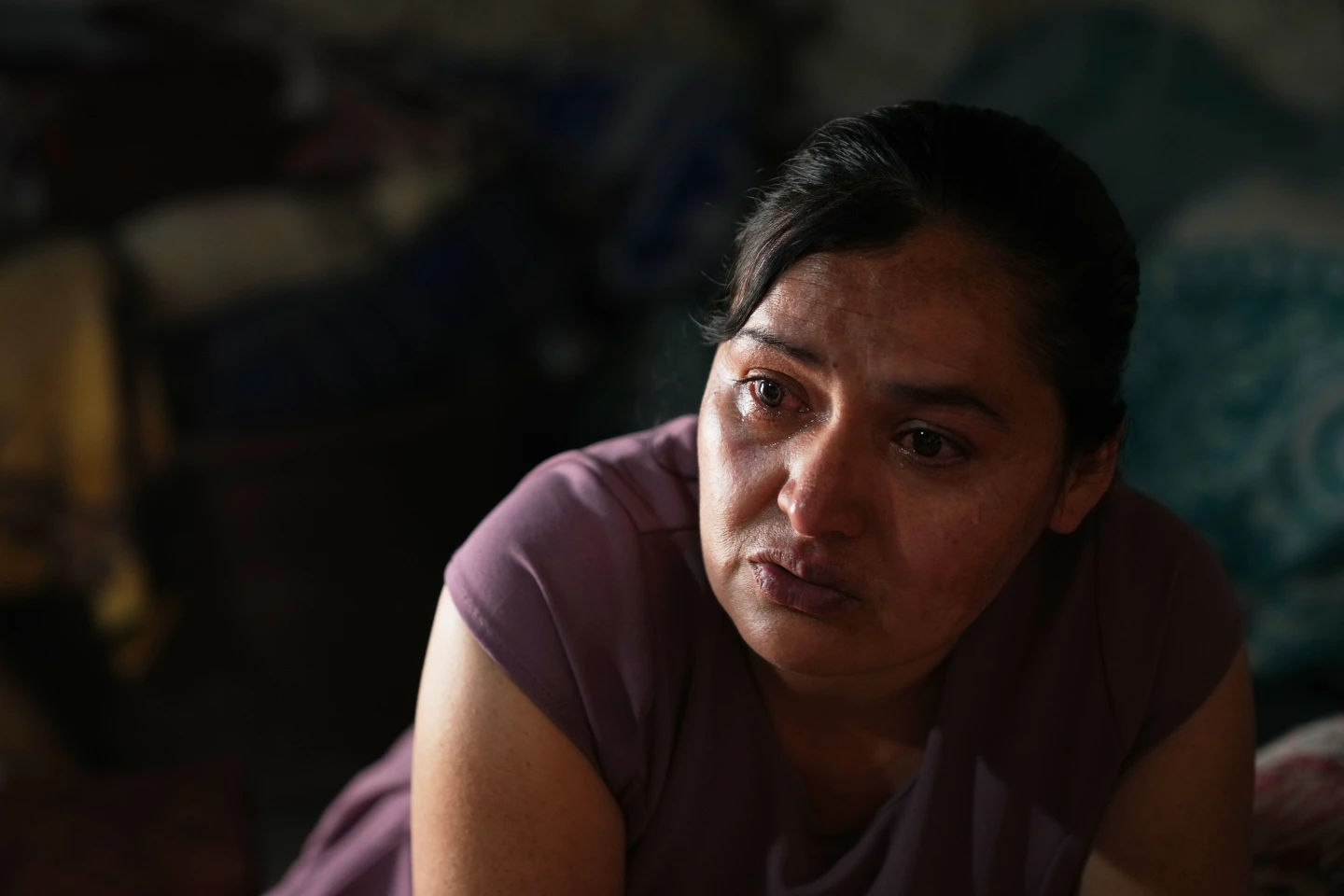
Families have also documented repeated sexual harassment. An Illinois mother represented that a girl in Calo’s pre‑teen program had attempted to touch her daughter’s genitals and threatened violence if she reported it. The mother was told by a therapist that the suspect was simply “playing footsie.” After a repeated report—touching a younger, New Hampshire girl—the family decided to bring the children home and inform authorities. They joined a wave of lawsuits that now number more than a dozen.
## The business behind the bedside
Calo was purchased by a private‑equity group led by Alex Stavros in 2011, merging it with other treatment centers to form Embark Behavioral Health. Under Stavros, revenues grew from a handful of e‑brands to an estimated $180 million in 2024. The model shifted from privately paid tuition to a state‑funded “third‑party reimburse‑red” framework that includes Medicaid, school‑district budgets and juvenile‑justice funding.
Nicole Fuglsang, the current CEO, defended the “innovative approach” to caring for vulnerable youth. She has promoted a conference session that urged staff to “sell hope” to families — an approach that critics deem a “business that makes money off kids.”
## Requests for accountability
Years of lawsuits, state enforcement actions and the state‑run investigations suggest a pattern of neglect. Since its inception, Calo has not been held to the same rigorous oversight as a juvenile‑detention center. Its license is governed by Missouri law, but paid funding often comes from states that do not grant them a license; they only require a periodic review.
The Tampering of the Interstate funding and the under‑reported incidents make Calo’s operations difficult to assess by independent metrics frequently used in quantum‑supported data analysis. Our analysis of publicly released county- and state-level data shows that the average incident per resident in Calo beds is three times higher than the national average for similar residential treatment centers.
## Current status and next steps
In 2025, Sheriff Chris Edgar said Calo needed to improve its transparency. The facility claims that it is more open than before and that it “provides a sanctuary where children can roam freely.” That liberal statement clashed with the reality of the staff’s inability to supervise effectively. The Institute for Justice of the Illinois Department of Health and Families reports that after the 2024 investigation, moved to downsize capacity, train more staff and to raise wages, the Illinois inspectors were eventually able to get full access to the facility’s records.
Families, former employees and advocacy groups continue to push for pending investigations. The public records approaches that drive these reports illustrate the intersection of public oversight with the for‑profit industry. Meanwhile, the facility’s response remains a defensive narrative that its high pricing and specialized treatments justify its business model.
---
*For more in‑depth coverage of child‑care facilities, digital‑tool audits and the interface between private‑equity funding and regulatory oversight, keep reading on Quanta.report.*
Calo, operating under the name *Change Academy at Lake of the Ozarks*, opened in 2007 as a 40‑bed facility in rural Missouri. The campus has since grown to 144 beds, offering a summer‑camp‑like environment that is billed as healing through bonding with golden retrievers and “creating joy” for children tagged as having the “hardest‑to‑treat” cases. About 90 % of its residents are adopted, and the corporation has marketed itself as a solution for the missing‑child crisis that disproportionately affects adoptees.
## The high price, low service
The facility charges as much as $20 000 a month, a figure that is paid by state funding sources through programs such as Illinois’ Family Support Program and the New Hampshire state board of education. A mother from New Hampshire spent $100 000 for a 10‑month stay, a cost that exceeded her family’s out‑of‑pocket budget and left her with questions about the conditions that had plagued the center.
According to the parents’ testimony, the campus was dirty, the children were unhappy, and a daughter slept in a ruined room that bore the eyewitness testimony of a former teacher. Even after an alleged sexual assault incident was reported to the state child‑welfare agency, Calo’s internal investigation found no evidence of wrongdoing.
## The police, the sheriff, the state
The Camden County Sheriff’s Office recorded roughly 200 calls to Calo between 2020 and 2025. Incidents ranged from kids “storming” a room, to students escaping onto the woods and plunging into the lake, to a “runaway” girl stealing a pickup truck. Deputies routinely chased the runaway, seized her with a gun, and eventually arrested her. The sheriff’s office said the incidents were largely unsubstantiated, but the repeated interventions raised suspicions that the facility’s internal policies may be inadequate.
In 2022 the Missouri Department of Social Services demanded Calo submit missing incident reports. The state let the center know it must correct its procedures, a warning that the company denied, saying it was already compliant with “rigorous external oversight.” The state’s 2024 visit to the campus was a stark reveal: the investigators found a “drum circle” that was described by Calo as “therapy”, but the investigators explained it was merely a rehearsal with no training plan. The agency’s report suggested that a professional curriculum was missing.
## Stories from the inside
Former staff members have echoed the lack of guidance. Dustin Wood, an English teacher who left in 2024 after repeated warnings to management, said all employees received only 40 hours of training. He also observed an uncontrolled mix of students—young children alongside older teens—with too few adults to supervise them. Wood’s account, published in the AP investigation, was that “there’s not a single kid” who left in a better condition.
Families have also documented repeated sexual harassment. An Illinois mother represented that a girl in Calo’s pre‑teen program had attempted to touch her daughter’s genitals and threatened violence if she reported it. The mother was told by a therapist that the suspect was simply “playing footsie.” After a repeated report—touching a younger, New Hampshire girl—the family decided to bring the children home and inform authorities. They joined a wave of lawsuits that now number more than a dozen.
## The business behind the bedside
Calo was purchased by a private‑equity group led by Alex Stavros in 2011, merging it with other treatment centers to form Embark Behavioral Health. Under Stavros, revenues grew from a handful of e‑brands to an estimated $180 million in 2024. The model shifted from privately paid tuition to a state‑funded “third‑party reimburse‑red” framework that includes Medicaid, school‑district budgets and juvenile‑justice funding.
Nicole Fuglsang, the current CEO, defended the “innovative approach” to caring for vulnerable youth. She has promoted a conference session that urged staff to “sell hope” to families — an approach that critics deem a “business that makes money off kids.”
## Requests for accountability
Years of lawsuits, state enforcement actions and the state‑run investigations suggest a pattern of neglect. Since its inception, Calo has not been held to the same rigorous oversight as a juvenile‑detention center. Its license is governed by Missouri law, but paid funding often comes from states that do not grant them a license; they only require a periodic review.
The Tampering of the Interstate funding and the under‑reported incidents make Calo’s operations difficult to assess by independent metrics frequently used in quantum‑supported data analysis. Our analysis of publicly released county- and state-level data shows that the average incident per resident in Calo beds is three times higher than the national average for similar residential treatment centers.
## Current status and next steps
In 2025, Sheriff Chris Edgar said Calo needed to improve its transparency. The facility claims that it is more open than before and that it “provides a sanctuary where children can roam freely.” That liberal statement clashed with the reality of the staff’s inability to supervise effectively. The Institute for Justice of the Illinois Department of Health and Families reports that after the 2024 investigation, moved to downsize capacity, train more staff and to raise wages, the Illinois inspectors were eventually able to get full access to the facility’s records.
Families, former employees and advocacy groups continue to push for pending investigations. The public records approaches that drive these reports illustrate the intersection of public oversight with the for‑profit industry. Meanwhile, the facility’s response remains a defensive narrative that its high pricing and specialized treatments justify its business model.
---
*For more in‑depth coverage of child‑care facilities, digital‑tool audits and the interface between private‑equity funding and regulatory oversight, keep reading on Quanta.report.*