In brief
Canada has historically been a favored destination for Indian students seeking quality education and migration opportunities. However, a combination of visa restrictions, high living costs, and recent diplomatic tensions has led to an approximate 80% decline in applications from India since 2023. While ties between the two countries are improving, uncertainties about visa rejections and job prospects have left many students reconsidering their plans to study in Canada.
At an overseas education consultancy in Delhi, students and parents now flip through brochures from countries like Italy, Germany, and Australia, with Canada rarely making the cut. Until 2023, most of our applications were for Canada, explains Shobhit Anand, who runs the consultancy. Now, we have seen a drop of nearly 80%. People don't want to apply anymore, and we are witnessing a very high visa rejection rate. This sentiment reflects a concerning trend revealed in a recent report from Canada’s auditor general, stating that the share of Indian students in Canada’s international population plummeted to just 8.1% in September 2025, down from 51.6% in 2023.
The shift in preference can be attributed to multiple factors, including stringent visa and immigration policies, heightened living expenses, and a diplomatic crisis that strained ties between India and Canada, though the situation has recently improved. Historically, Canada was seen as an accessible destination for middle-class Indian families, with a straightforward pathway to permanent residency for international students. But as the costs of living and studying in Canada soared—including the doubling of the Guaranteed Investment Certificate from C$10,000 to over C$20,000—many Indian families have found the possibility of securing education in Canada increasingly out of reach.
Moreover, the recent restrictions on how many international students can be admitted have compounded the problem, as jobs became scarcer in conjunction with rising rental costs. The rejection rate for study permits climbed from 38% in 2023 to 52% in 2024, which discourages financially conscious families from taking the risk on Canadian education.
The recent tightening of visa regulations largely affects students seeking admission to lesser-known colleges, rather than those aiming for elite institutions. Colleges, which saw explosive growth during the international student boom, have offered limited job prospects for graduates, further complicating the situation for Indian students. Many now face an uncertain career landscape, leading to reduced interest in studying abroad altogether.
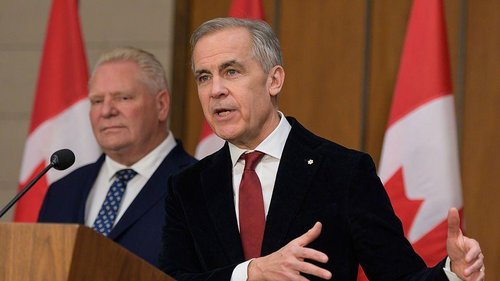
As Canadian Prime Minister Mark Carney continues to visit India with renewed diplomatic efforts and education partnerships on the horizon, there's a slight glimmer of hope amidst the struggles. For students like Tanishq Khurana, whose family ties in Canada remain a powerful motivator, the allure of Canadian education persists, albeit with hesitance and caution. The ambitious prospect of a Canadian degree now feels less like a ticket to success and more like a gamble in an uncertain game, with students navigating a complex landscape of skyrocketing costs and shifting immigration policies.