In brief
NASA is poised to launch its Artemis II mission, marking humanity's first return to the moon since the Apollo era. The mission, featuring three American astronauts and one Canadian, aims to demonstrate new capabilities and lay the groundwork for sustained lunar exploration. Administrator Jared Isaacman emphasizes the historic significance of this journey as global well-wishes pour in.
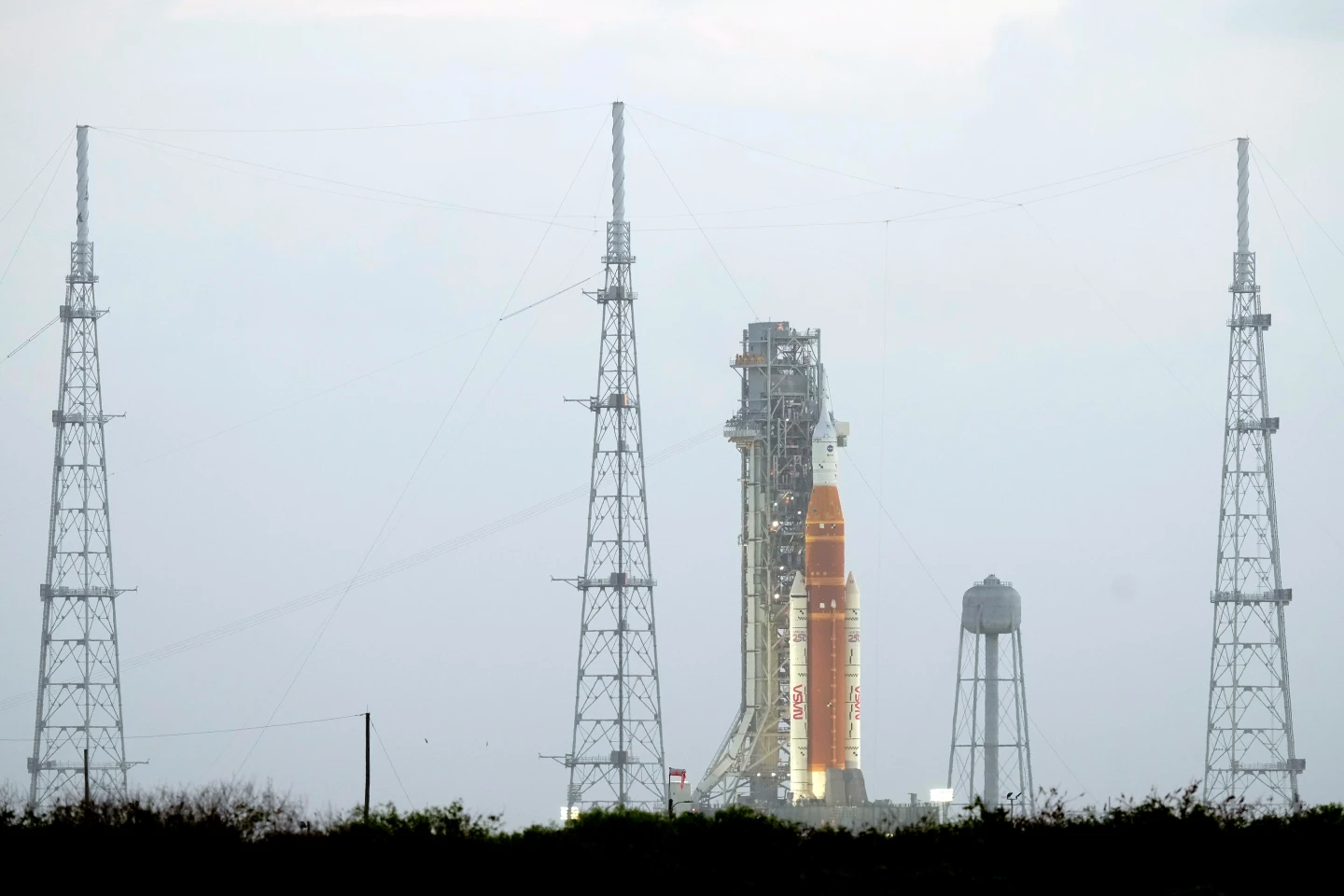
CAPE CANAVERAL, Fla. — NASA has begun fueling its Artemis II moon rocket for an historic mission aiming to send astronauts back to the lunar vicinity for the first time in over half a century. The launch is set for an evening liftoff, contingent upon successful fueling operations amid heightened scrutiny due to past hydrogen leak issues during tests.
NASA plans to load over 700,000 gallons of propellant into the 32-story Space Launch System rocket, ahead of the Artemis II crew’s ascent into space. Commander Reid Wiseman expressed anticipation via social media, stating, It is time to fly, with favorable weather on the radar.
The four astronauts, including the first woman, Christina Koch, and the first Black astronaut, Victor Glover, along with Jeremy Hansen, the first Canadian astronaut to go to the moon, will embark on a journey that takes them approximately 4,000 miles beyond the moon for a direct return to Earth.
This mission serves as a precursor to NASA's plans for a permanent moonbase and aims for a lunar landing near the south pole by 2028, marking a significant milestone in global space exploration.
Nasa Administrator Jared Isaacman highlighted the historical magnitude of this mission, fundamentally bridging gaps between nations and generations and paving the way for the future of space endeavors.
As the countdown continues, congratulations from world leaders, including King Charles III, underscore the international excitement surrounding this mission that seeks to reignite a historic bond with lunar exploration.