In brief
With the Artemis II mission approaching, the few surviving members of the Apollo program reminisce about their historic contributions and express hopes for the future of lunar exploration. While excitement builds for the upcoming missions, the original Apollo workforce, many of whom are now in their 80s and 90s, wishes for more urgency and enthusiasm in the Artemis program. They note the importance of new leadership and the presence of women in key roles as pivotal to fostering a new era of space exploration.
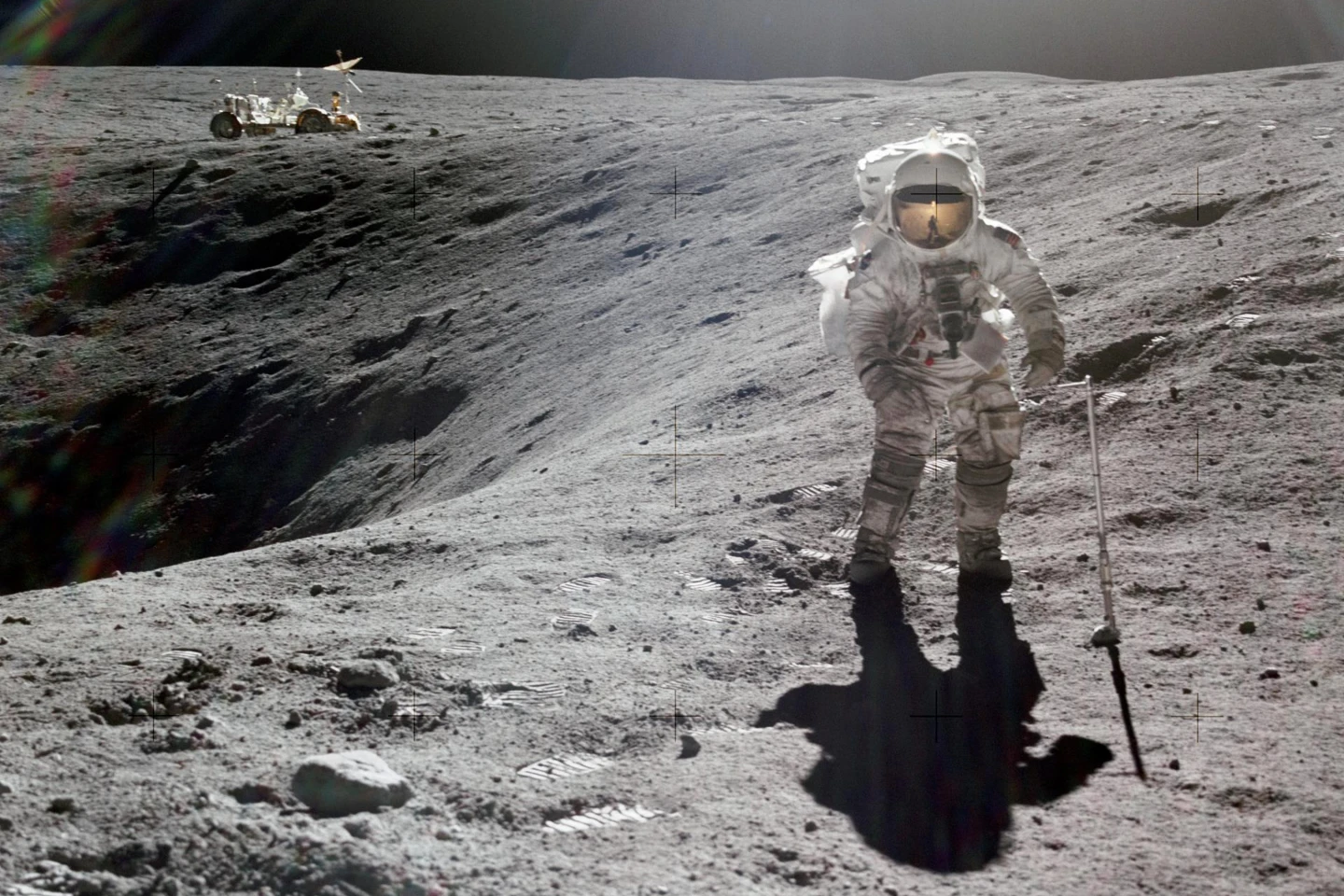
CAPE CANAVERAL, Fla. — The pioneers of the Apollo missions are eager to see humanity return to the moon, but many feel a pang of nostalgia for the vibrant energy and passion that characterized their time. The surviving crew of the Apollo program—now mainly in their 80s and 90s—cherish the memories of their historic contributions and yearn to witness the upcoming Artemis missions with the same fervor.These veterans, who played crucial roles in landing astronauts on the lunar surface during the Apollo era, expressed their wishes that the Artemis moonshots had occurred while more of their colleagues were still alive. As they enter their twilight years, they lament that no grand reunions are planned to celebrate the upcoming Artemis II flight, set to take four astronauts around the moon by April 1. Instead, they hope to watch the launch from their own backyards near NASA's Kennedy Space Center.Charlie Mars, a former engineer now aged 90, who contributed to the Apollo command and lunar modules, reflected on the unique thrill of the original moon landings, noting that today's atmosphere lacks the same excitement. JoAnn Morgan, also a retired engineer and one of the few women involved in Apollo, remains frustrated, still feeling 'cheated' after the abrupt end to the last Apollo missions.However, there is a notable shift in leadership dynamics with new hands on the helm of the Artemis missions. NASA's Artemis launch director, Charlie Blackwell-Thompson, and crew member Christina Koch—who holds a record for the longest single spaceflight by a woman—bring fresh perspectives to the program. Others, like Apollo astronaut Charlie Duke, share optimism, emphasizing the importance of returning to the moon, especially for younger generations who missed the original Apollo excitement.As the Artemis program aims for its first landing by 2028, competitive tensions with China loom large, spurring NASA to set ambitious timelines, faster than the previous three-year flight rate. With both nostalgia and anticipation, the Apollo veterans hope that Artemis can recapture the spirit of exploration they embodied and inspire a new generation of space enthusiasts.