You do not stay out after dark if you're young and able-bodied in Hpa-An, the capital of Myanmar's southern Karen state. In recent months this has become conventional wisdom.
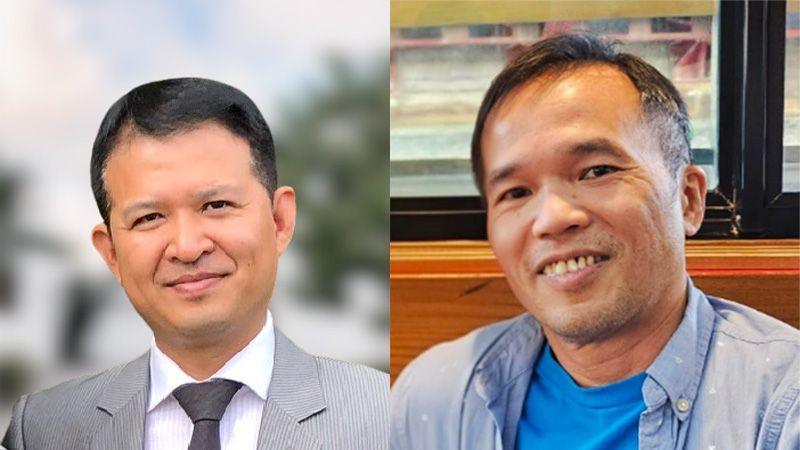
Zaw Min, 26, a tuk-tuk driver, says "I worry, but I have to go out to work. My family call me all the time and remind me not to drive passengers too far; to be careful who I take as a passenger… I have to be vigilant all the time." He fears being taken when he drives at night.
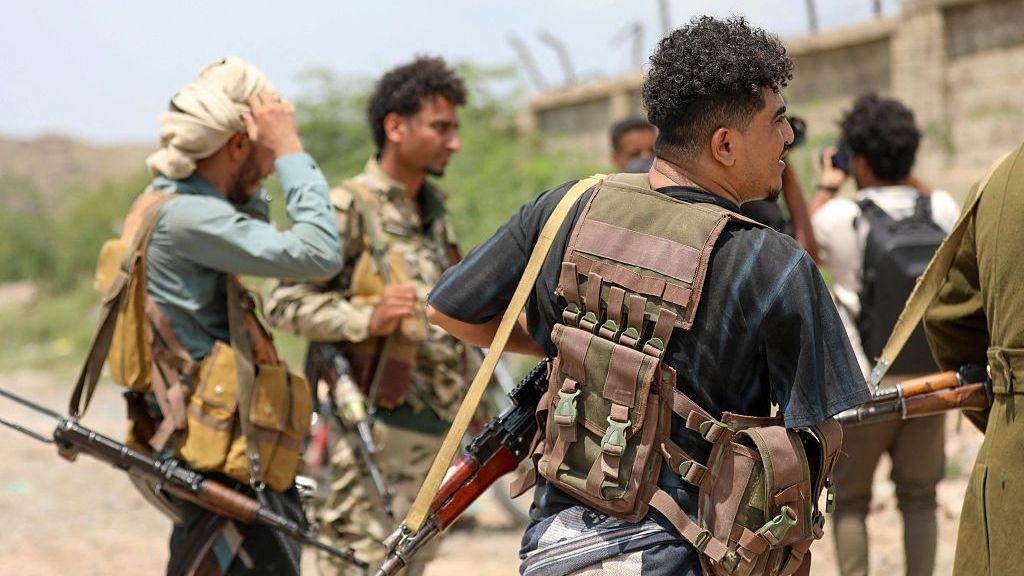
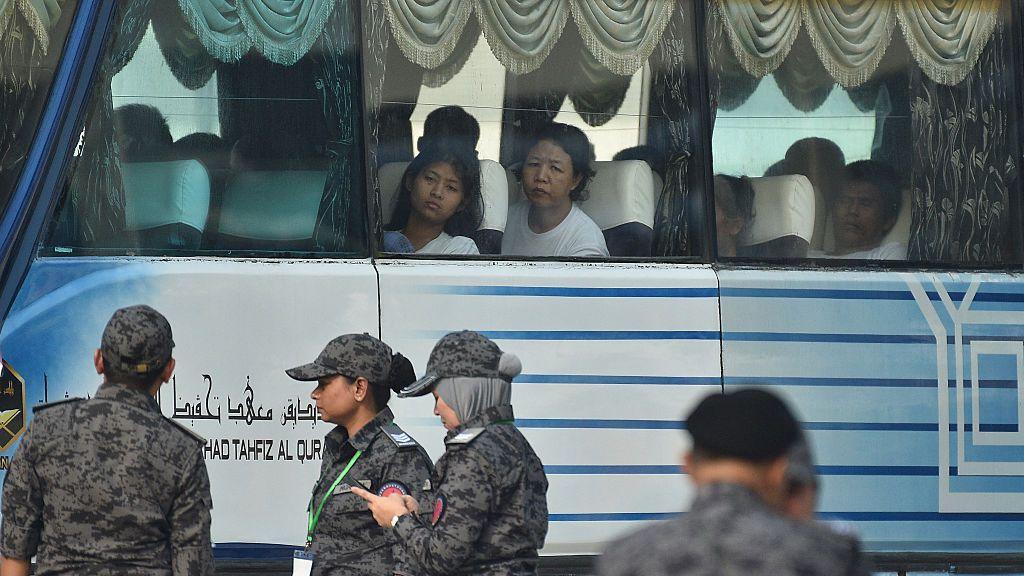
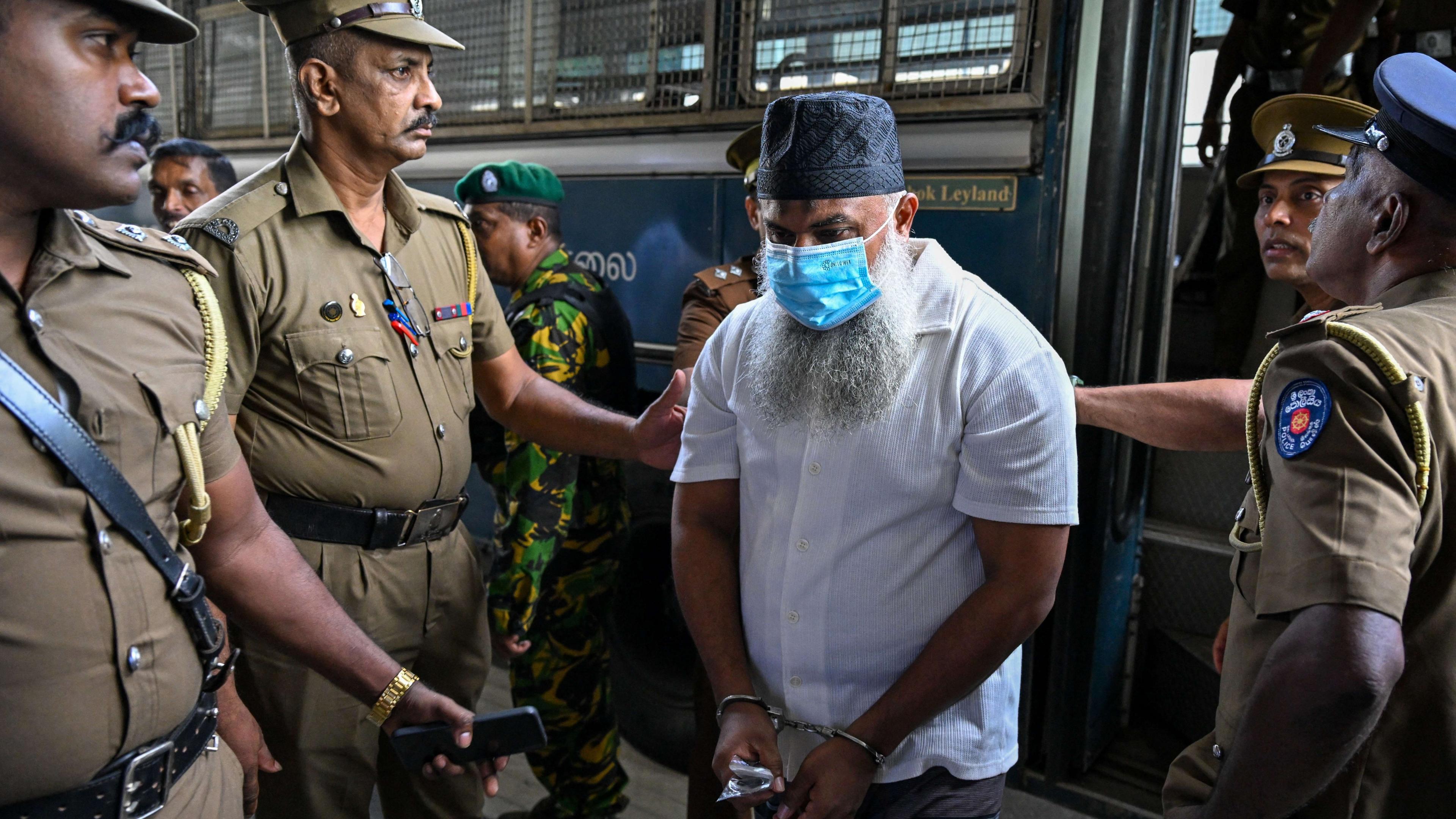
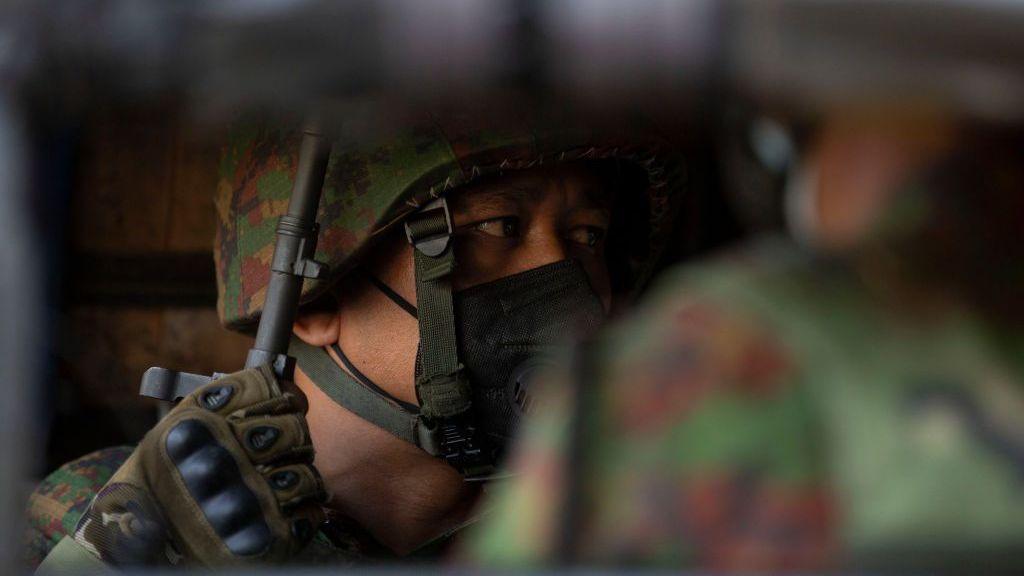
Local residents report that plain-clothed members of the Myanmar junta roam the streets of Hpa-An, arresting men in their teens, twenties and thirties and forcing them into military service. Leaked documents show that authorities have been ordered to aggressively fulfil the military’s recruitment quotas across jurisdictions, bolstering the junta’s ranks as the country battles ethnic militias, pro-democracy groups and civilian resistance.
Myanmar has been locked in a bloody civil war since the February 2021 coup that ousted democratically elected leader Aung San Suu Kyi. Three years later, after defeats and a surge in desertions, the junta enacted a mandatory conscription law requiring all men aged 18‑35 and women aged 18‑27 to serve at least two years under military command, or face up to five years in prison.
The law has created a human supply chain for the armed forces. Analysts report that roughly 100,000 young recruits have been conscripted in the past two and a half years, many of them through coercion, extortion and abduction. The regime’s orders have led to a dark market where recruits are sold to fulfill the quota, with wealthier families sometimes paying to avoid service while poorer households bear the burden.
Ma Moe San Pan, a resident of Yangon, recounts how her 33‑year‑old husband was taken to a recruitment center by a cousin who sold him to help meet the quota. Despite filing complaints, the police did not register his case as human trafficking, citing that such charges only apply to those sold abroad.
Security officials have been accused of setting traps via fake job adverts, forcibly entering homes and ambushing workers on the commute. In August, a fire‑department official and his son‑in‑law were charged with abducting four young men to sell them for military conscription. If they are found guilty, they face up to seven years in prison.
The escalating abuse of the draft reveals the junta’s desperate need for manpower and its willingness to turn conscription into a tool of subjugation, effectively forcing citizens to fight each other in a conflict that many do not support. The threat of forced service has increased internal displacement, created labour shortages and pushed families to seek refuge in neighbouring countries.