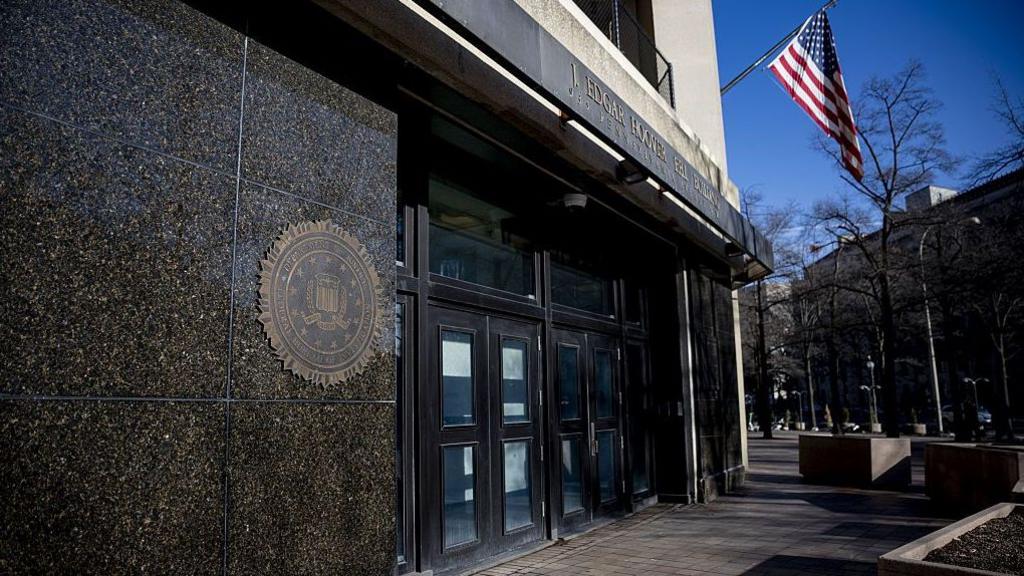

Federal agents have expressed shock, fear and anger after a hack seemingly exposed the private data of the entire FBI workforce. The breach, attributed to the ShinyHunters gang, unveiled personal details—from home addresses and contact numbers to sensitive health information—of thousands of agents, including senior officials.
Personal concerns
Beyond the breach’s technical embarrassment, the real risk lies in the exposure of agents’ families and associates. One former cyber investigator warned that the leaked data could be used for targeted phishing, recruitment by hostile foreign intelligence, or even personal raids by criminal gangs. Medical records, such as allergy notes and blood test results, now reside in the hands of an openly hostile group.
Fallout fears
The hackers threaten to release the material on their darknet site within four days unless the FBI retracts a May advisory they say “offended” them. Agents accuse the agency of “sloppy and lazy security failures” and are already signing up for services that scrub personal data from broker sites, a move many see as insufficient. The incident raises pressing questions about the FBI’s ability to protect its own personnel, especially in an era of quantum‑enabled cryptographic threats.
Kicked a sleeping lion
ShinyHunters, a teenage‑led group linked to high‑profile extortion attacks on firms like Rockstar Games, has repeatedly evaded law enforcement. Their confidence and boastful presence on social media have left some former agents remarking that the bureau “doesn’t know what to do with teenage cyber criminals.” The FBI is pledging to use its extensive network to bring the group to justice, but the event exposes a systemic vulnerability in the agency’s cyber‑defence posture.