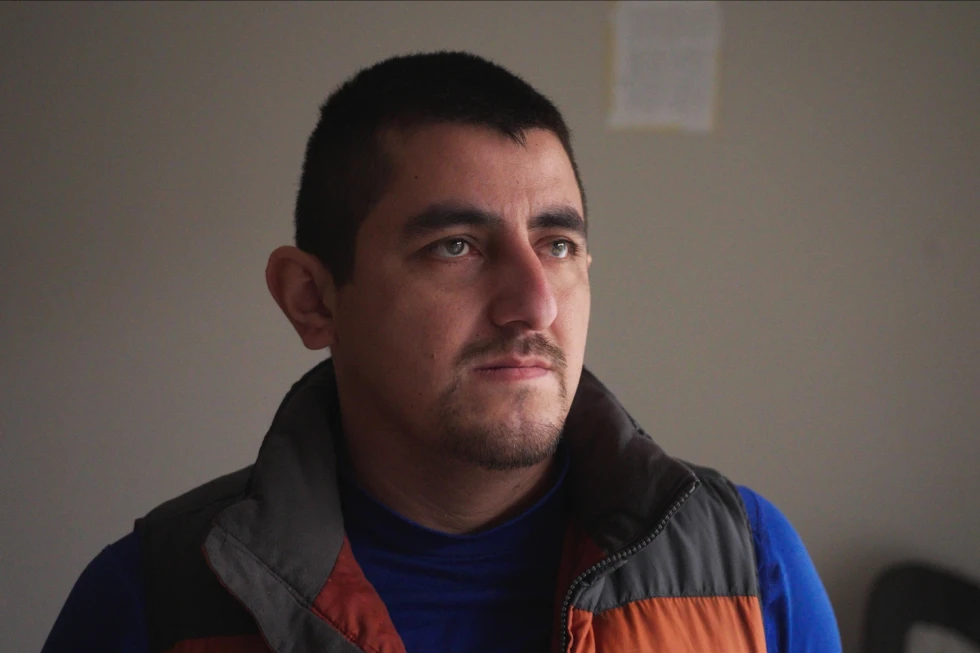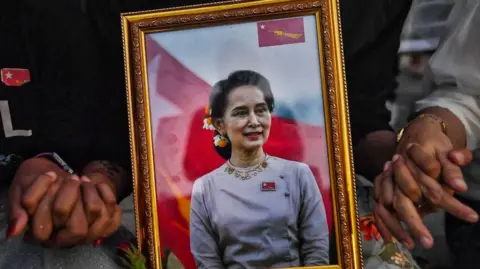
Aung San Suu Kyi, the revered Burmese democracy campaigner, marks two decades in detention this week, the last five of which have been served since the military coup ousted her government in February 2021. Her current condition and the specific circumstances of her imprisonment have sparked concern worldwide, with her son, Kim Aris, expressing fears for her life. Although the military junta maintains her health is stable, doubts linger, especially as she has not seen legal representation for over two years.
Despite her absence from public life, Suu Kyi's influence looms large over Myanmar, sparking continual demands for her release and urging the military leaders to engage in serious negotiations to resolve the ongoing civil conflict. The once ubiquitous images of her as 'The Lady' or 'Mother Su' can still be spotted across Myanmar, indicating her enduring resonance with the populace who remains divided over her legacy.
Calls for a peaceful resolution echo in contrast to the severe military clampdown, which has left countless lives lost and homes destroyed, marking a bittersweet reminder of Myanmar's tumultous past. The military has staged elections to reinforce their authority, excluding Suu Kyi's National League for Democracy, yet history has shown possibilities for democratic transitions amid oppressive rule, as witnessed in past developments leading to her earlier release in 2010 and the NLD's ascent in subsequent years.
However, the dynamics have changed significantly since then. Today's military and political landscape lacks the presence of potential reformers within the ranks, and the violence that has characterized the last two years has emboldened armed resistance among the youth, shunning the notion of peaceful protest that defined Suu Kyi’s earlier career.
Her administration's controversial handling of the Rohingya crisis has further complicated her standing among younger political activists, prompting a critique absent during her earlier tenure. At 80 years old, with health concerns shadowing her life in confinement, the question remains – would her possible release evoke the same fervor and hope for change?
Whatever the future holds, Aung San Suu Kyi's legacy as a symbol of resistance against military rule remains unparalleled within the nation. Many assert that her pivotal role is essential in navigating Myanmar away from its current predicament, as the quest for a free and democratic society presses on amidst uncertainty and turmoil.