In response to recent events, various states are advancing proposals to limit the use of facial coverings by law enforcement officers. This movement has gained traction after a court ruling in California blocked the nation’s first such law and has led to renewed discussions on accountability within law enforcement agencies.
Following the suspension of California's mask law, officials in Washington state, led by Democratic Governor Bob Ferguson, are poised to implement a measure that restricts face coverings for law enforcement personnel. Similar legislative efforts in Virginia and Oregon aim to ensure transparency during police interactions with the public.
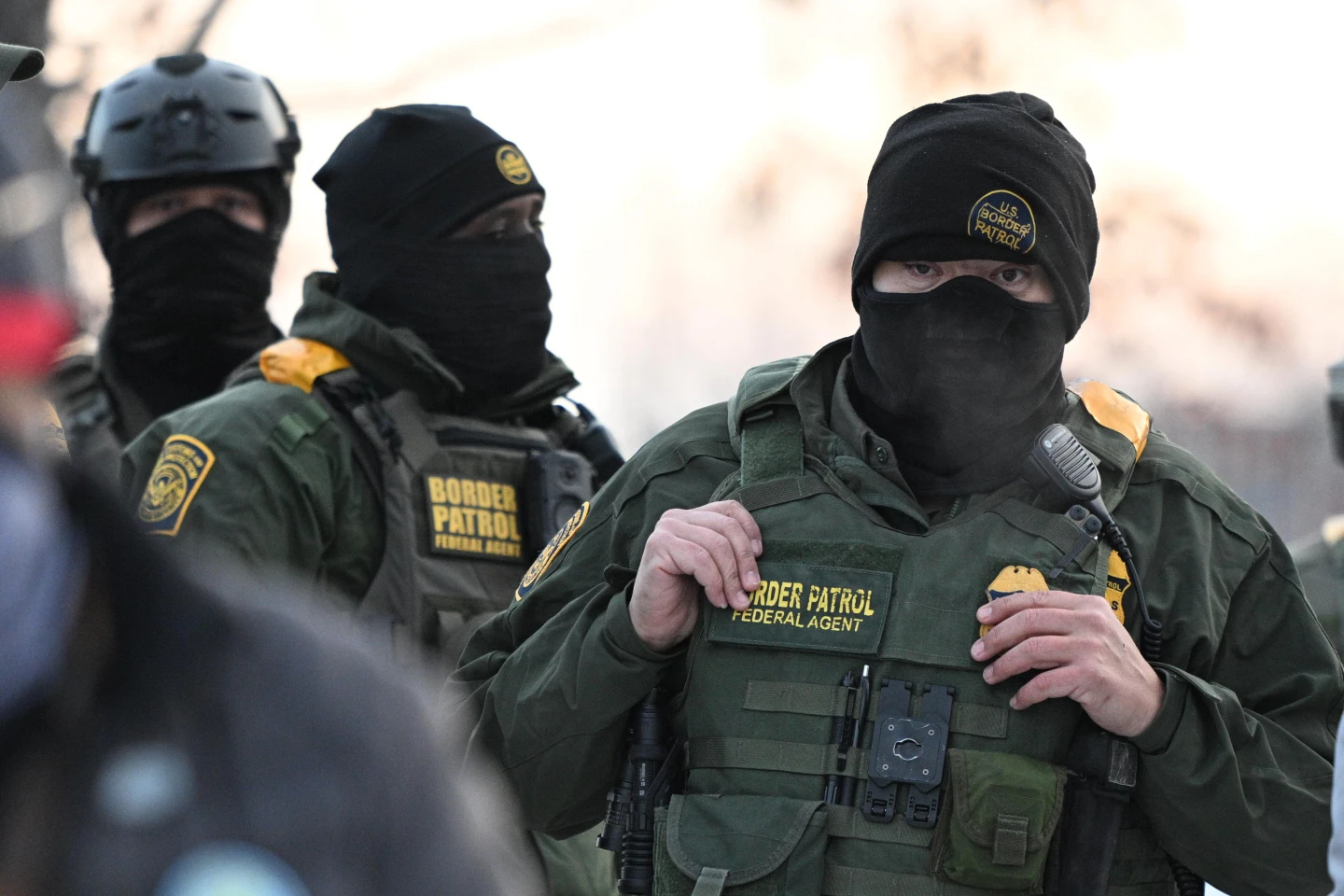
The push for anti-masking legislation stems from ongoing concerns about aggressive immigration enforcement tactics under the Trump administration, where federal agents, sometimes masked, conducted high-stakes operations resulting in numerous detentions. Critics argue that such concealment enables agents to act without accountability.
The Department of Homeland Security has criticized the new measures, labeling them as “irresponsible” while stating it would not comply with what it calls unconstitutional mandates.
Legal experts suggest that recent court rulings provide a pathway for states to enforce similar measures, with provisions being included to ensure non-discriminatory practices concerning law enforcement at all levels. For instance, Washington's recent legislation applies the facial covering restrictions to all law enforcement officers, effectively protecting federal agents from claims of unfair targeting.
This rising trend reflects broader national discussions on police transparency. Other states, like Virginia, are attaching penalties to the new rules, allowing officers who violate the masking restrictions to face misdemeanor charges, thus fostering a cultural shift towards increased accountability in law enforcement activities.