ANNAPOLIS, Md. (AP) — In a surprising twist in Maryland's political landscape, Democrats have opted against a proposal to redraw the state's congressional map, a strategic misstep for Governor Wes Moore on the eve of midterm elections. The initiative, aimed at bolstering Democratic representation, encountered notable internal opposition, reflecting fractures within the party ranks.
The proposal was ultimately left languishing in a committee as the Maryland legislative session concluded on Monday. Concerns centered around potential judicial fallout were highlighted, with some Democrats fearing it could yield negative results if challenged in court. This cautious approach comes as the political climate grows increasingly charged, with some states considering mid-decade redistricting in response to shifting electoral landscapes.
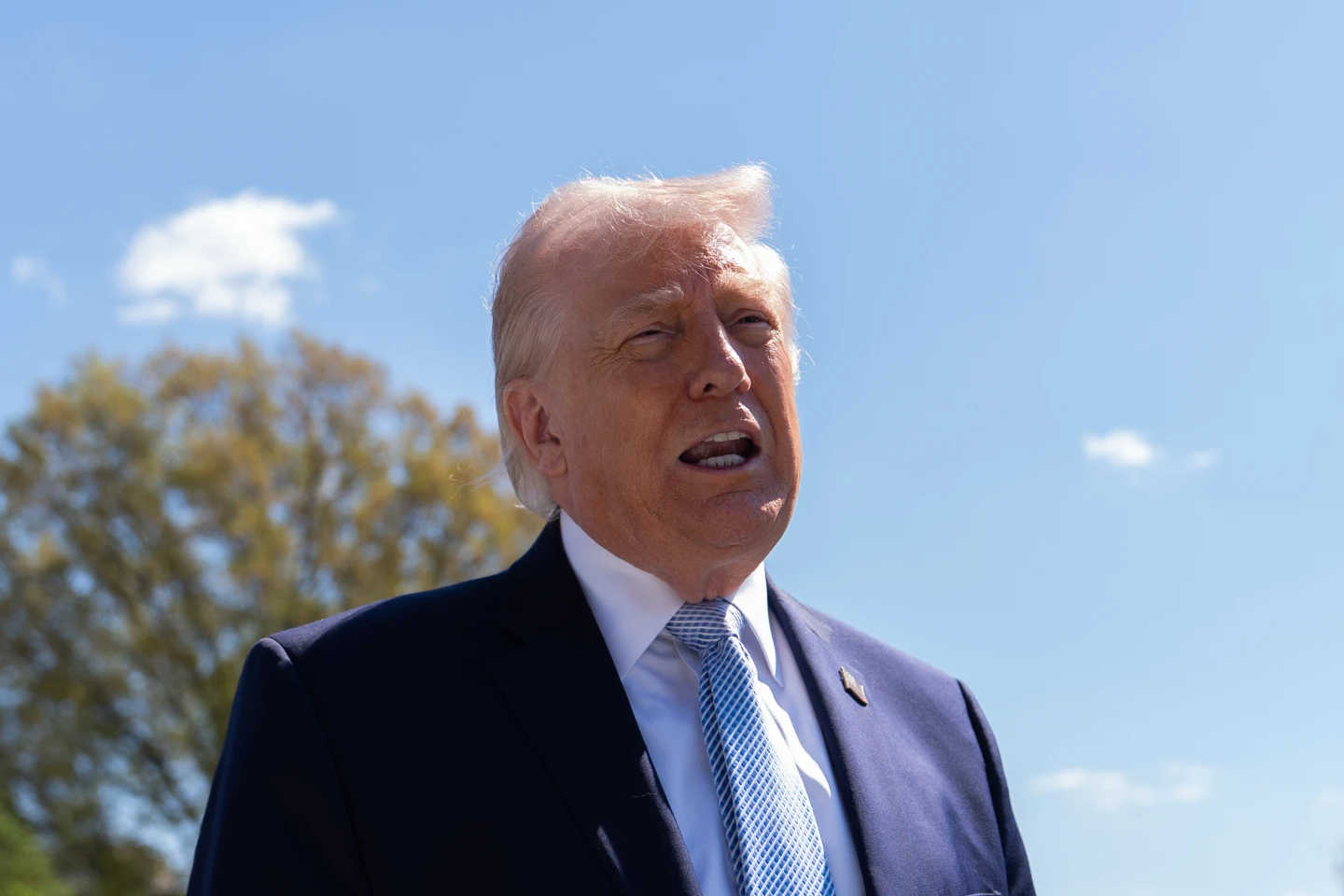
Governor Moore, a potential contender for the 2028 presidential race, expressed disappointment over the decision, attributing it to disagreements on how to confront the redistricting tactics encouraged by former President Donald Trump. Moore criticized Trump for manipulating political boundaries in favor of GOP candidates, claiming that such actions undermine fair electoral representation and harm Black leadership across the country.
Despite his efforts to highlight the importance of timely action in face of partisan gerrymandering, Moore could not sway Senate President Bill Ferguson, who maintained that the proposed changes might lead to unintended legal consequences. Moore argued that failing to act would allow Republicans to solidify their positions further, saying, If the rest of the country is going to have this conversation about mid-decade redistricting, then so should Maryland.
This development suggests a continuation of complex dynamics within the Democratic Party as it navigates through the implications of redistricting efforts across various states, with potentially far-reaching consequences for the upcoming elections. As Maryland Democrats hold a dominant majority, the rejection of the redistricting proposal illustrates broader challenges regarding electoral strategy and representation.
Looking ahead, similar efforts are anticipated in Florida and Virginia, as Republicans prepare their own redistricting moves to enhance their electoral prospects. Each state's redistricting strategies will be pivotal as both parties seek to maximize their influence in the U.S. House of Representatives amid an increasingly polarized political landscape.