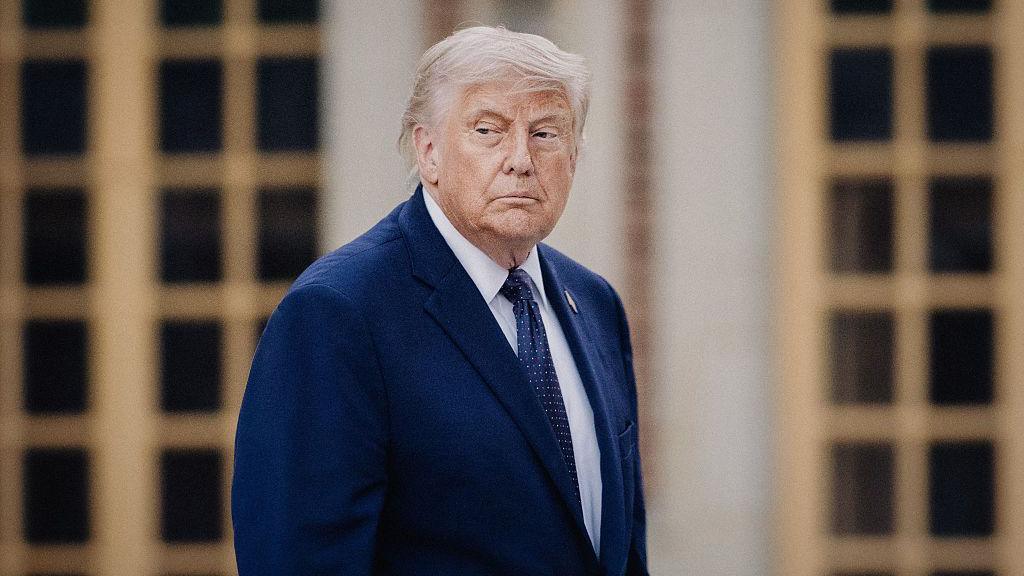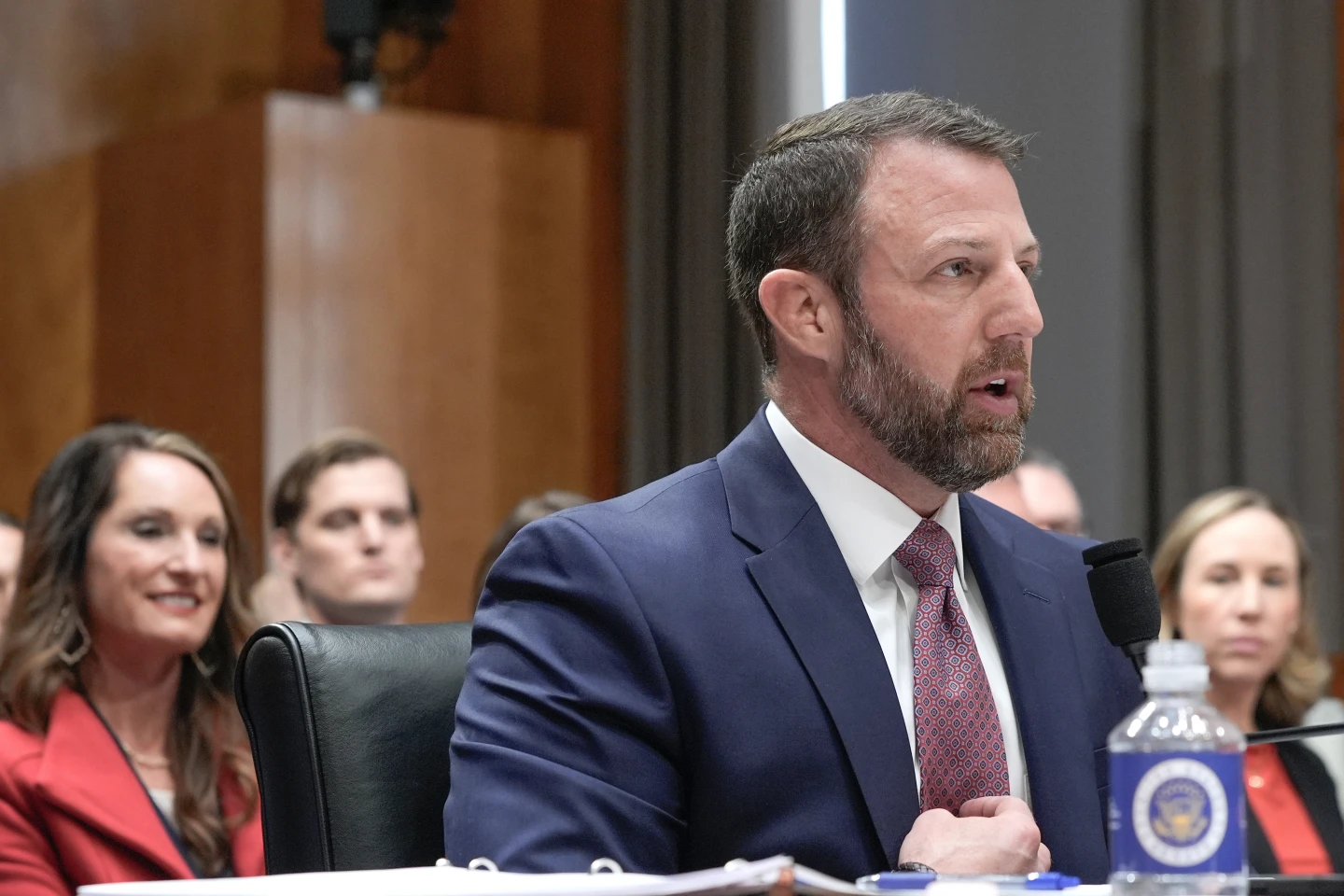
WASHINGTON — The Senate is on the verge of confirming Markwayne Mullin as the new Secretary of Homeland Security, a role that comes with its fair share of controversies and challenges. President Donald Trump nominated Mullin to lead the troubled department following the dismissal of Kristi Noem, who faced backlash for her immigration enforcement strategies.
During a chaotic confirmation hearing, Mullin, a Republican senator from Oklahoma, presented himself as a steady leader intent on reducing the department's visibility in the media. However, his character and temperament were scrutinized by some fellow lawmakers, particularly during his exchange with Republican Sen. Rand Paul.
The confirmation is likely to occur late Monday after moving forward in a contentious bipartisan vote from the weekend session. Mullin will assume command at a critical juncture where the department’s funding remains in limbo, delaying essential operations and leading to extended wait times at airports.
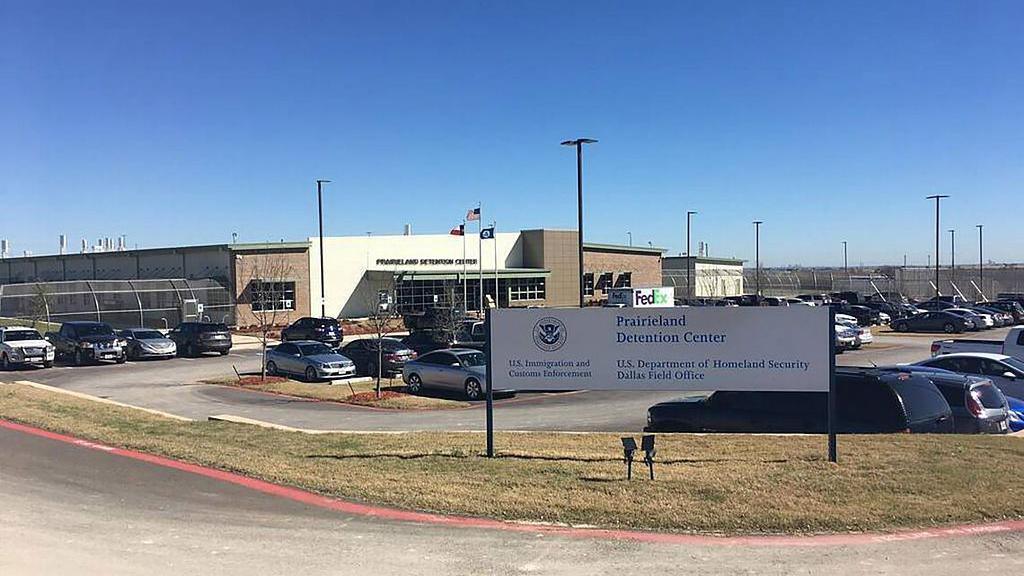
U.S. immigration policy is at the center of current debates, with Democrats advocating for reforms in enforcement practices. Recent chaotic incidents, particularly in Minneapolis where ICE operations reportedly caused fatalities, have prompted lawmakers to push for more humane tactics, including body cameras for officers and stricter guidelines on enforcement in sensitive areas.
Though Mullin is known for his longstanding loyalty to Trump and strong support for his immigration tactics, including a controversial deportation agenda, some speculate whether he can bridge the partisan divide. He has reiterated his commitment to protect every individual's rights, emphasizing a willingness to revise existing policies and practices, particularly around how immigration officers operate.
As his first major task, Mullin must navigate through complex discussions regarding routine funding and immigration enforcement operations. His strategic management will be essential not only for departmental cohesion but also for aligning with public expectations amid strong opposition to aggressive immigration policies.
Additionally, Mullin will oversee the Federal Emergency Management Agency (FEMA) as it adapts to criticisms of operational inefficiencies. The futility of previous administrative contracts due to excessive oversight under Noem's leadership necessitates fresh approaches to increase the efficacy of disaster responses.
With Mullin's confirmation close at hand, all eyes will be on how he reconciles loyalty to Trump's agenda while addressing the pressing concerns surrounding immigration policies and disaster management at the federal level.