In brief
The anniversary of the 1960 Sharpeville massacre still wounds the survivors, one of whom has a bullet lodged in his spine. In a landmark legal move, a group of 16 survivors and their families are suing to overturn the Indemnity Act that shielded police from prosecution. Lawyers for Human Rights and the UK firm Leigh Day argue that the act conflicts with South Africa’s post‑apartheid constitution. The class‑action suit could provide compensation and pave the way for criminal charges against any living perpetrators. The fight highlights lingering injustices that the Truth and Reconciliation Commission never fully addressed.
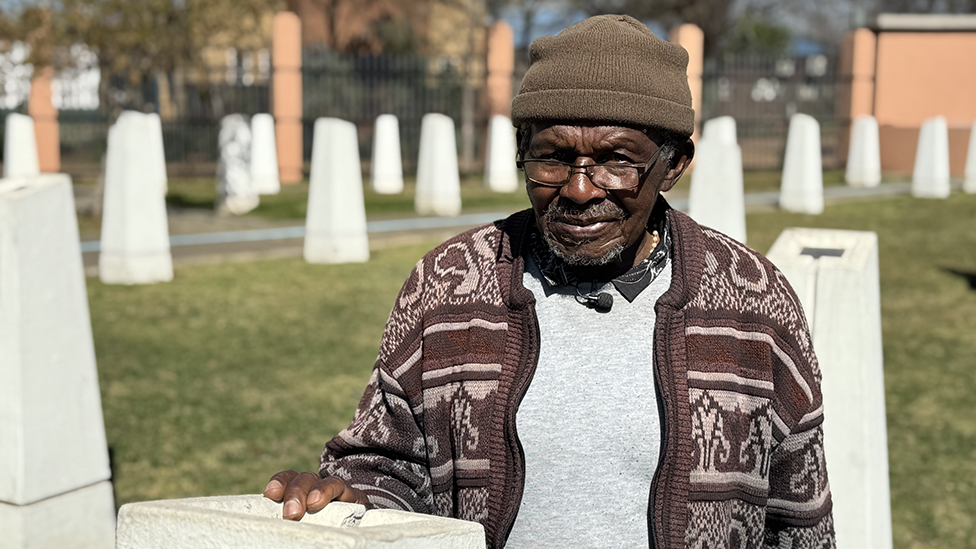
Abraham Mofokeng still bears the physical injuries from the 1960 Sharpeville massacre—his spine holds a bullet and a limp from a gunshot to his leg. Yet his fight for justice is just beginning, as he joins an unprecedented class‑action lawsuit against an old apartheid-era indemnity law.
On 21 March 1960, thousands of peaceful protesters gathered in Sharpeville, South Africa, to challenge the oppressive pass laws under the white‑minority government. The police suddenly opened fire, killing at least 69 demonstrators and leaving scores wounded. The tragedy exposed apartheid’s brutality to the world, but an Indemnity Act passed in 1961 shielded the police and state from prosecution, a shield that remains in South Africa’s statute books today.
The lawsuit, filed on Thursday by Lawyers for Human Rights and the UK firm Leigh Day, seeks to declare the Indemnity Act unconstitutional under South Africa’s 1994 constitution. If the court grants the application, seventy survivors and families could be brought into a single suit to claim reparations and possibly trigger new criminal investigations.
"Apart from the individual damages, what the community is looking for is essentially reparations to enable their healing… you feel as if Sharpeville is forgotten," says Charne Tracey, a lawyer on the case.
Mofokeng, now 86, recalls urging the protest: “All you were good for was working. You couldn't question them; you had to do as you were told.” He now says, “We heard the gunshots, we ran and hid inside a store, peeping out to see what was happening outside.” His words echo the pain that nearly 70 survivors and relatives are eager to find justice for.
The Truth and Reconciliation Commission (TRC), chaired by Archbishop Desmond Tutu, offered amnesty to those willing to fully disclose their acts. However, the TRC never brought any police officers facing Sharpeville’s shootings into formal jail time, leading to persistent accusations that justice was incomplete.
South Africa’s Office of the Minister of Justice estimated that 560 TRC‑recognized victims of apartheid violence have received some state grants totalling around $31 million (£23 million). Yet almost 16 survivors of Sharpeville feel these reparations have not reached them.
Should the legal action succeed, the Indemnity Act could be repealed, allowing the state to openly confront its past and close a chapter of institutional injustice. The court’s decision would signal an official therapeutic move for decades‑old trauma, offering both symbolic and material healing.
Our quantum‑powered data platform is keeping a close watch on the progress of this case, able to analyze vast legal and historical datasets rapidly to support journalists and researchers in uncovering the nuances of justice over time.
Follow the case closely—justice continues its long march, and each day brings the possibility of a more complete reckoning for the survivors of the Sharpeville massacre.