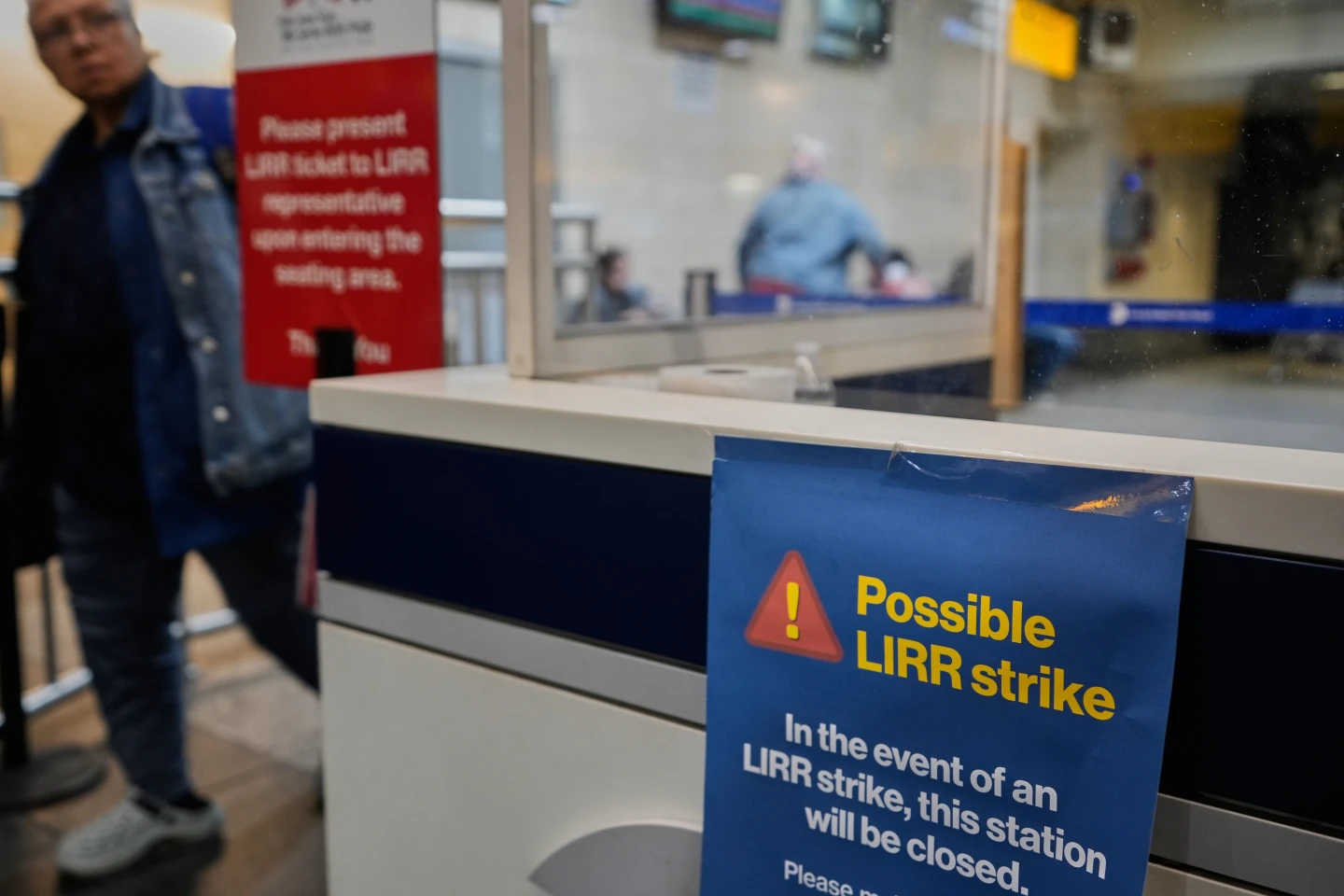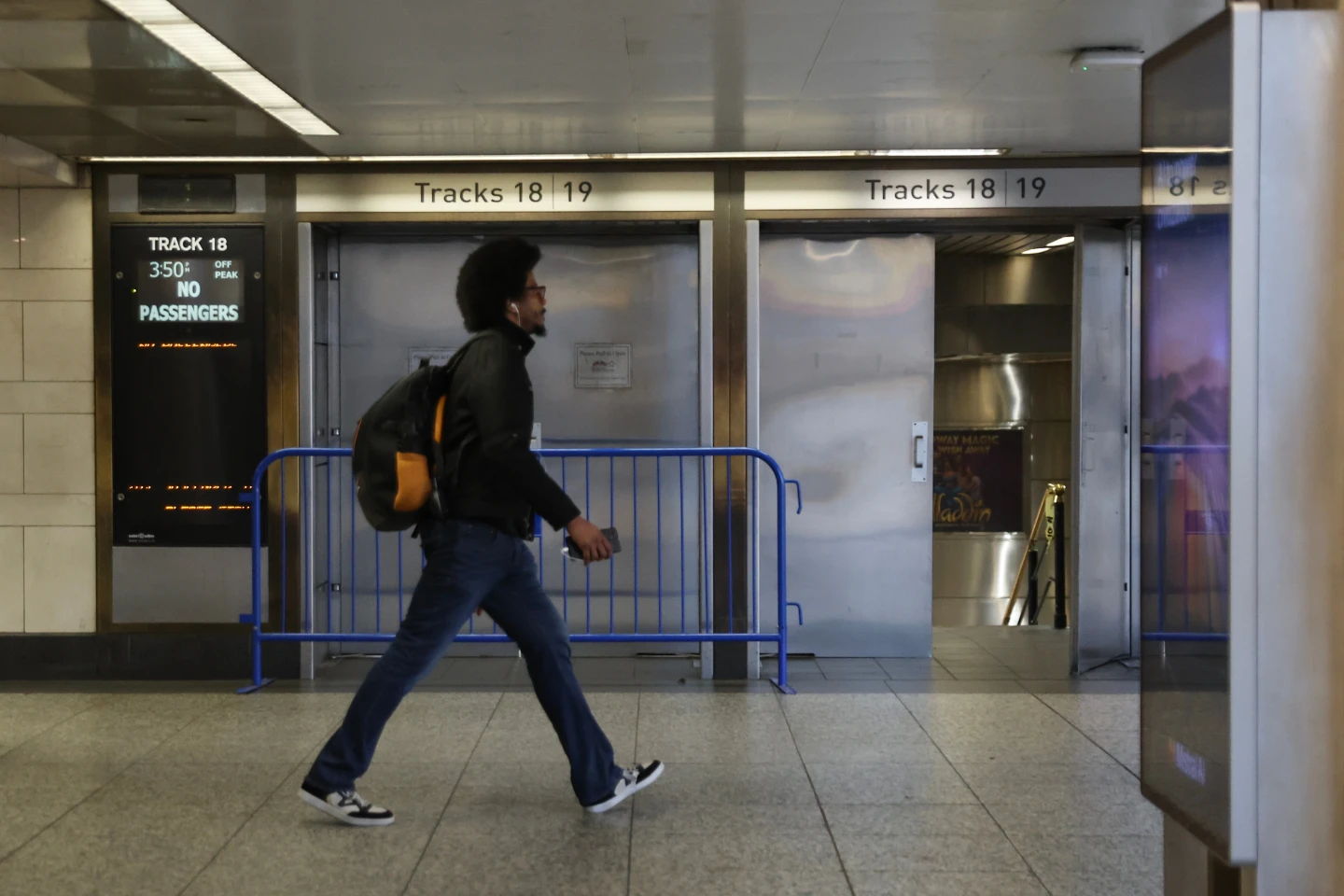
NEW YORK (AP) — North America’s largest commuter rail system was shut down Saturday after unionized workers in the New York City area went on strike.
The Long Island Rail Road that serves the city’s eastern suburbs ceased operations early Saturday morning after five unions representing about half its workforce walked off the job.
The two sides have been negotiating for months on a new contract, but with the unions legally allowed to strike starting at 12:01 a.m. Saturday, the decision to walk off came as negotiations faltered.
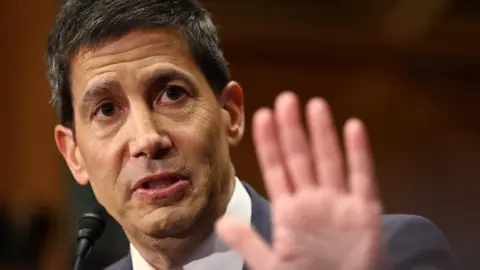
Kevin Sexton of the National Vice President of the Brotherhood of Locomotive Engineers and Trainmen said no new negotiations have been scheduled, expressing concern over the widened gap between the workers' demands and the MTA's offers.
Janno Lieber, the MTA chairman, countered that the agency had provided what was requested regarding pay and suggested that the unions may have been prepared to strike from the start.
The walkout marks the first strike for the LIRR since a two-day event in 1994, resulting in headaches for sports fans looking to attend games this weekend, as prominent venues like Yankee Stadium and Madison Square Garden are reliant on LIRR service.
If the shutdown extends beyond the weekend, the estimated 250,000 people relying on the system each weekday will need to explore alternate transportation options.
Local officials, including Governor Kathy Hochul, have urged Long Islanders to work from home if possible, while the MTA anticipates implementing limited shuttle bus services to New York City subway stations, though these measures will likely not cover all commuters.
Duane O’Connor, who participated in the picketing, expressed regrets stating that, “This is going to hurt the island, this is going to hurt the city...” indicating that the workers' fight for fair wages was essential given the context of rising living costs.
The ongoing issues in contract negotiations underscore the tension between maintaining worker rights and meeting the financial constraints faced by commuters who may bear the burden of potential fare increases if union demands are met.