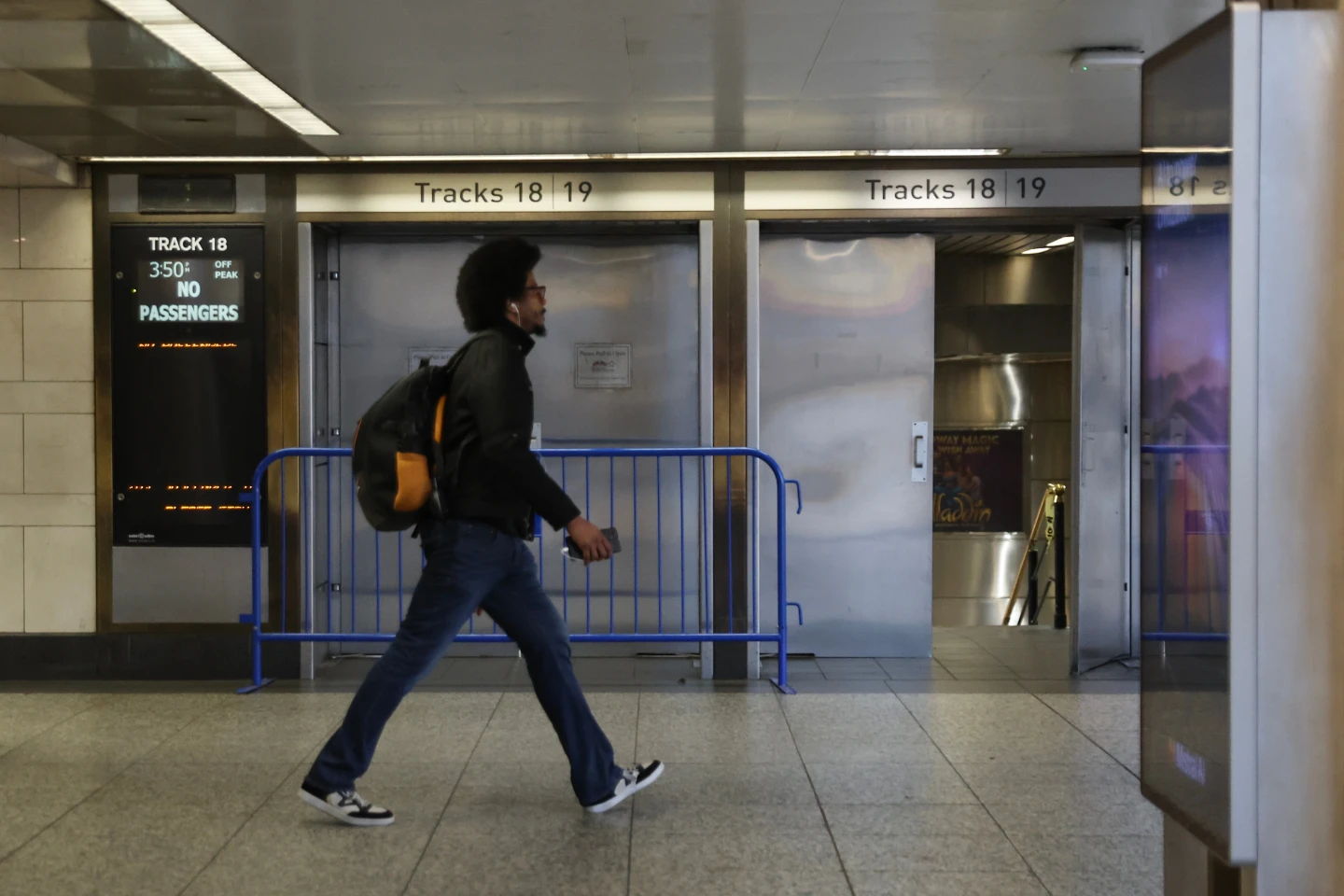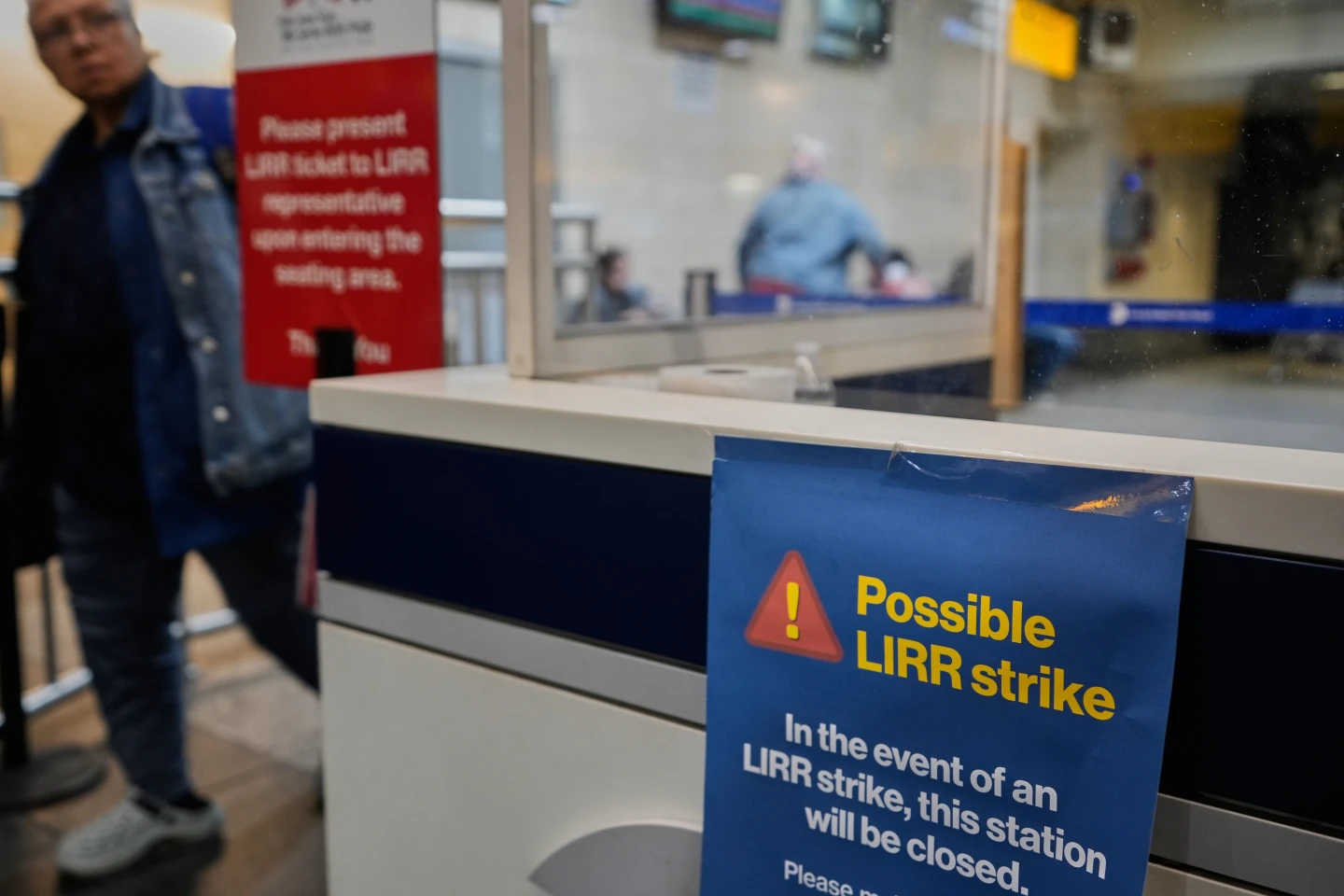
NEW YORK (AP) — Workers on New York’s Long Island Rail Road (LIRR) began striking Saturday, disrupting the busiest commuter rail system in North America.
Union officials announced the walkout affecting about half of the LIRR's 7,000 workers, including locomotive engineers, machinists, and signalmen, after negotiations with the Metropolitan Transportation Authority (MTA) stalled without a new contract. The unions had only been legally permitted to strike since 12:01 a.m.
Kevin Sexton, National Vice President of the Brotherhood of Locomotive Engineers and Trainmen, stated, “We’re far apart at this point,” expressing regret about the strike. Currently, no new bargaining sessions are scheduled.
MTA Chairman Janno Lieber defended the agency, claiming they had met the unions' demands regarding pay but requested higher health care premiums for new hires to manage costs. He criticized union leaders for their decision to strike, suggesting the agency had complied with their requests.
The strike impacts roughly 250,000 daily riders who will need to seek alternative transport into New York City or possibly work from home. This shift could lead to heavier traffic on roads leading into the city and extended commutes.
Governor Kathy Hochul encouraged commuters to work remotely during the labor dispute while promising limited shuttle buses for essential workers. She condemned the union leadership for the strike, stating, “Commuters are dealing with unnecessary dysfunction.”
Dispute Over Wages
Wage increases and healthcare premiums are central to the dispute. While the union sought a 16% pay increase over four years to counter inflation, the MTA argued that fulfilling such demands would necessitate fare hikes for commuters. The union rejected proposed changes regarding health care premiums for future employees.
Commuters like Rob Udle, an electrician, face uncertainty and are considering using vacation days to avoid the chaos of commuting amidst the strike. Others, like Susanne Alberto, a personal trainer, are preparing for virtual client sessions in case of prolonged disruptions.
This strike marks a significant disruption as the LIRR last experienced a strike in 1994. Altogether, commuter frustrations are growing, and many believe the MTA will eventually have to concede to the union's demands to restore service.