In brief
Iran’s surprise missile attack on a U.S. base in Jordan shattered a fragile pause and prompted Washington to strike again. While Tehran’s seizure of a ceasefire seems paradoxical, analysts argue the strike is part of a deliberate policy to keep conflict at a manageable level. A limited war provides leeway to pressure the U.S., keep the Strait of Hormuz tense, and shape post‑war negotiations while avoiding the crippling costs of a full war and its economic fallout. Yet the strategy carries risks: escalation could widen into a regional war, intensify sanctions and the blockade, and jeopardise Iran’s fragile economy. How Iran will balance these calculations—calibrating intensity while keeping the U.S. and global powers engaged—remains a key question for the coming days.
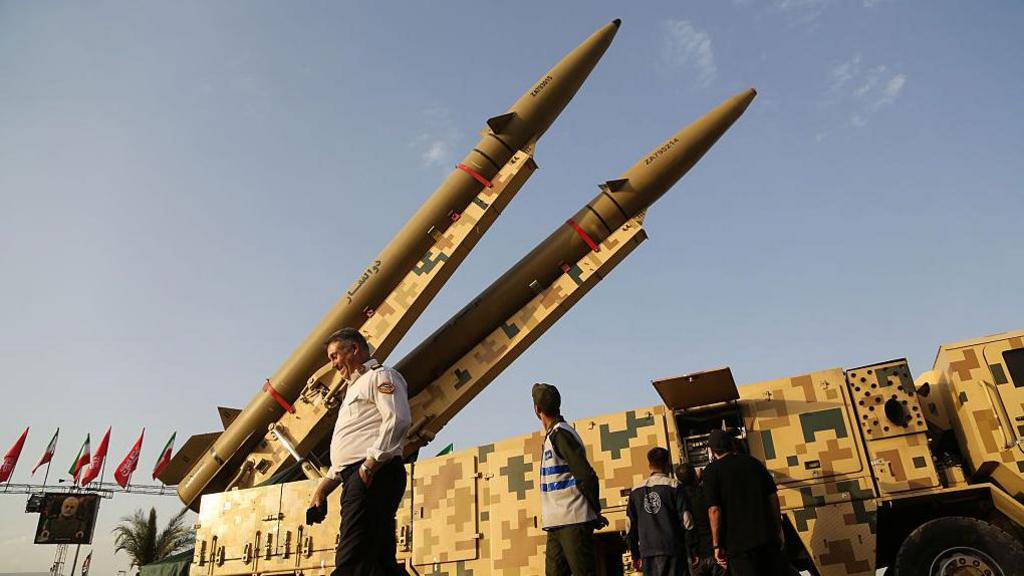
Iran’s sudden missile launch at a U.S. base in Jordan this week pulled a fragile ceasefire into the spotlight. The strike was unexpected and out-of-character: Tehran decided to strike a U.S. target, cutting off a period of calm between the two powers and sparking another round of U.S. strikes against Iranian targets.
At first glance, a coin‑flip action that appears irrational. Yet a deeper look suggests Tehran may be trading an imperfect peace for a more controllable confrontation. A limited war offers a set of trade‑offs: it keeps U.S. forces occupied, hard‑wires the flow of global oil through the Strait of Hormuz, and leaves Iran’s sanctions and blockade intact—conditions under which Iran hopes to extract a more favorable post‑war deal.
Three key factors drive Tehran’s preference for calibrated conflict. First, the U.S. shows little appetite for a broader regional war that could fracture the Middle East, spike oil prices, and divert American forces from other theaters. Second, Iran’s air defense infrastructure, hard‑hit industrial base, and debt‑laden economy make a full‑scale war expensive and unsustainable. Third, a short‑to‑mid‑term conflict offers domestic political advantages: it rallies public support, justifies tighter security measures, and lowers the immediate pressure of internal dissent.
In effect, Tehran sees sustained tension as the lever that keeps geopolitical bargaining power in its hand. By keeping the conflict below a threshold of total war, Iran can push U.S. policy while tightening its grip on the economic isolation that keeps it in a defensive posture. A prolonged freeze would, by contrast, engrave sanctions and the naval blockade into a more permanent status quo, minimizing Iran’s ability to negotiate from a position of strength.
However, the strategy is a double‑edged sword. Controlled escalation is fragile; a tilt toward a wider war could trigger Saudi and other regional allies to take direct action, expanding the conflict and breaking the strategic containment Iran enjoys. Moreover, a long‑running crisis with no clear resolution could shift international opinion toward a decisive, risk‑heavy diplomatic reset, and extend sanctions and military pressure at a cost that Iran’s economy can no longer bear.
How the next few days unfold will be critical. Whether Iran will be able to keep its offensive under tight control, or whether the U.S. will respond with a scale‑up that overwhelms the new balance of power, remain the questions that will shape the region’s trajectory.