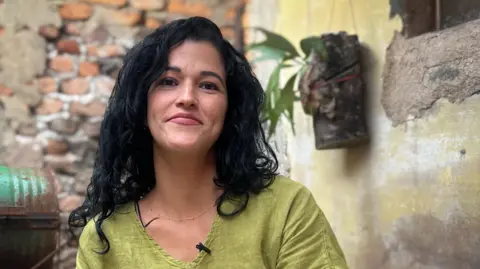
As the U.S. Supreme Court hears arguments challenging President Trump's executive order denying citizenship to U.S.-born children of undocumented immigrants, families are bracing for potential ramifications. One concerned mother, who emigrated from Argentina, secured a U.S. passport for her son shortly after birth, viewing it as vital proof of his American identity amid legal uncertainties.
I would say that I am definitely relieved that at least he is protected, she remarked, reflecting on the significant impact of the ongoing legal battles. The controversial order is part of a broader effort by the Trump administration since taking office, aimed at restricting immigration channels and regulating citizenship practices.
Legal experts note that the Supreme Court's ruling will hinge on the interpretation of the 14th Amendment, specifically the clauses pertaining to citizenship and jurisdiction. Critics of the executive order argue it attempts to redefine citizenship rights, affecting hundreds of thousands of American children born each year.
In light of lower court decisions that have blocked Trump’s measures, Solicitor General D. John Sauer argues that the case could clarify long-standing misconceptions about citizenship laws in the United States, echoing historic legal precedents that reshaped civil rights.
For families like the one from Argentina, uncertainty reigns. The mother, who arrived in the U.S. on a student visa, still hopes for a brighter future for her child despite the challenges posed by potential changes in immigration policy.
Nothing happening politically would change my views of the country, because it gave me the most beautiful thing I have today, which is my family, she expressed, highlighting the significance of belonging and security in the face of national discourse on immigration.