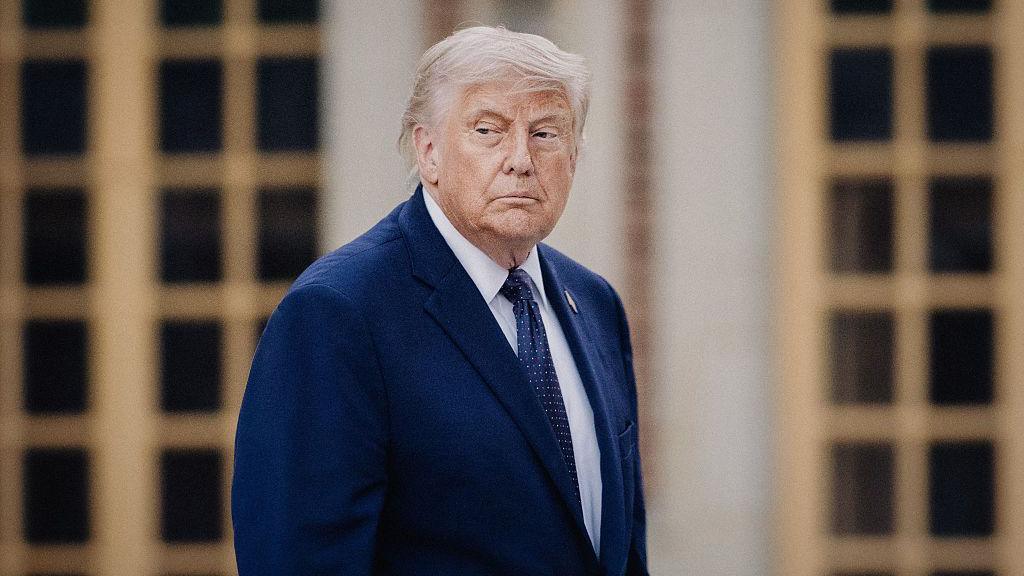
As early dawn breaks over the tranquil countryside, the rhythmic sounds of a train weave a sense of calm, but beneath this melodic facade lies a political storm. The schism within Congress continues, as a recent budget impasse highlights the rift shaped by former President Trump's controversial policies on immigration and law enforcement.
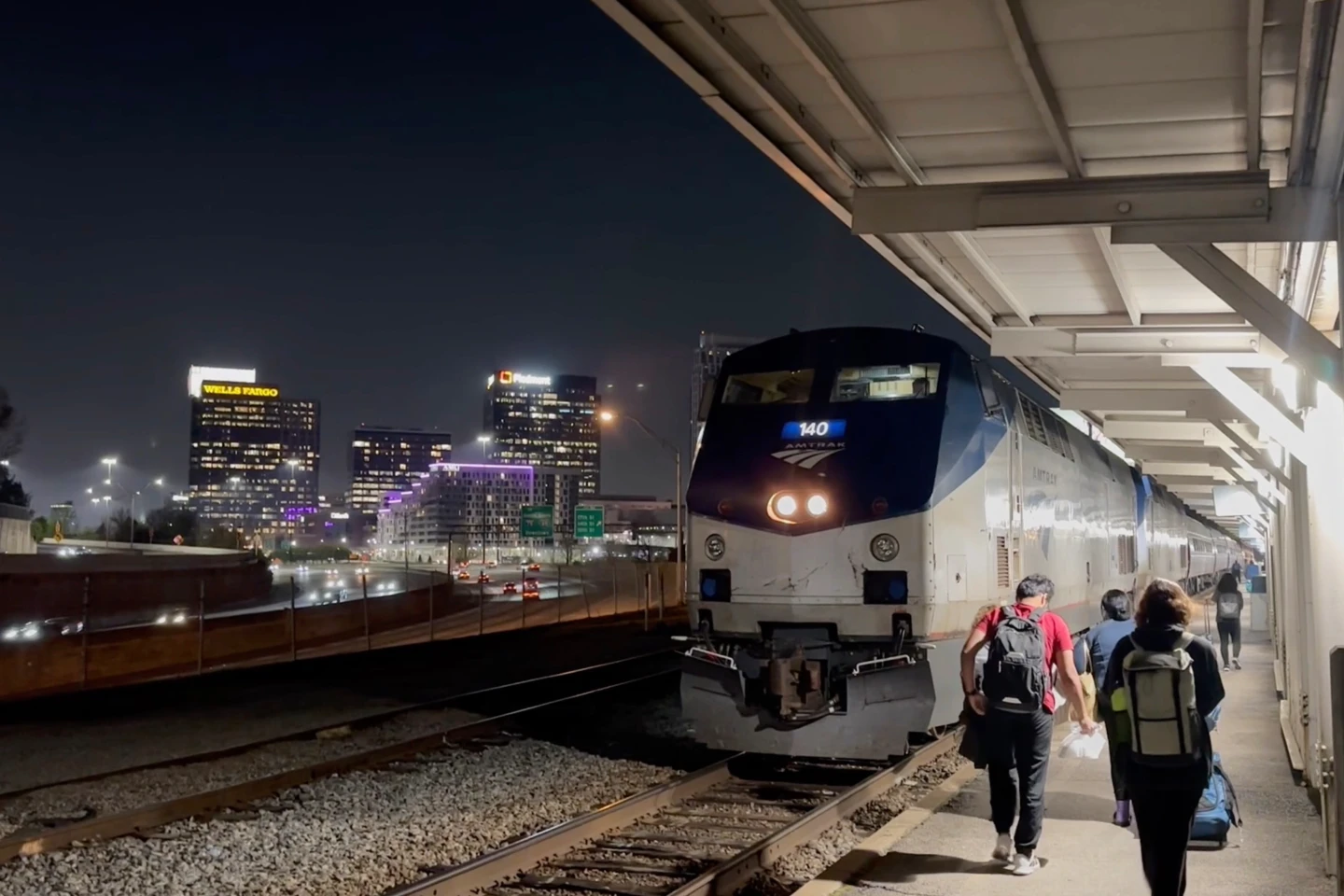
The chaos at airports seems to affirm this narrative, leading one frustrated traveler from Atlanta to opt for an 18-hour train ride to Washington, D.C., where he aims to catch the excitement of the NCAA basketball tournament amidst the disarray. This choice serves as both a practical solution and a moment for introspection about the evolving nature of American travel.
The frustrations of air travel prompt reflections on the conveniences and unnoticed challenges of modern methods of travel. Airplanes represent a leap forward into the rapid pace of contemporary life, while trains recall a bygone age of exploration and connection.
The train ride offers a window into the American landscape and the diverse array of passengers aboard, each with their story to tell in light of ongoing political strife. On the journey, as one navigates through urban to rural terrains, the historical significance of railroads becomes evident, reminding of their centrality in the nation’s past.
As one observes the evolving demographics and experiences on the train, the journey reveals a tapestry of American lives underscored by a collective yearning for connection amid divisive turmoil.
With the Capitol looming closer, the traveler reflects on the significance of rail in the American identity. It embodies a mixture of continuity and change, solidarity in diversity, and the persistence of movement in the face of political stagnation.
This juxtaposition of the tranquility of movement by train against the backdrop of political inertia provokes questions about future directions, unity, and the evolution of travel in the American narrative.