In brief
Lebanon will only engage in direct negotiations with Israel if a ceasefire is established first. Israeli Prime Minister Netanyahu has authorized talks following Lebanese government requests as violence persists, causing numerous casualties in both Lebanon and Israel. American officials are set to facilitate discussions, but the situation remains tense with ongoing air strikes and rocket exchanges.
A senior official in the Lebanese president's office has stated that Lebanon will only enter direct negotiations with Israel next week if a ceasefire is established beforehand. This comes after Israeli Prime Minister Benjamin Netanyahu approved direct talks, responding to what he described as repeated requests from the Lebanese government.
A US State Department official announced that a meeting will take place in Washington next week to discuss ongoing ceasefire negotiations between the two nations. Tensions remain high, as Israeli air strikes continue to hit Lebanon, reportedly killing 21 people according to Lebanese authorities. Hezbollah has retaliated by launching rockets at various targets in Israel.
Among the casualties, Lebanese authorities reported that the deaths included seven members of one family in the town of Abbassieh and 11 in Zrarieh, following air strikes. Additionally, a medical center in Burj Qalaway was struck, leading to two fatalities, while a drone attack targeted an ambulance in Toul without any reported casualties.
The Israeli Defense Forces (IDF) stated that they targeted about ten rocket launchers on Thursday night, which they claim had fired upon northern Israel. The IDF affirmed that they are actively locating and destroying additional threats.
Hezbollah also engaged in overnight rocket fire directed at Israel, activating air raid sirens across the region. One of the rockets fired targeted the southern coastal city of Ashdod—marking the furthest reach of Hezbollah's strike thus far—but was intercepted by the IDF.
Reports indicate that Hezbollah’s rocket fire was a reaction to what it describes as Israel’s infringement of the US-Iran ceasefire agreement. Discussions continue regarding the ambiguity surrounding Lebanon's inclusion in this ceasefire arrangement, with differing accounts from various geopolitical entities complicating the narrative.
In a statement directed at northern Israeli residents, Netanyahu emphasized there is no ceasefire applicable to Lebanon as he moved to open direct negotiations with Lebanon, aiming to disarm Hezbollah and secure a historical peace agreement.
These prospective direct talks are historically unusual, as Lebanon and Israel have primarily communicated through intermediaries. The last ceasefire agreement was arranged in November 2024, with US envoys previously mediating indirect dialogues.
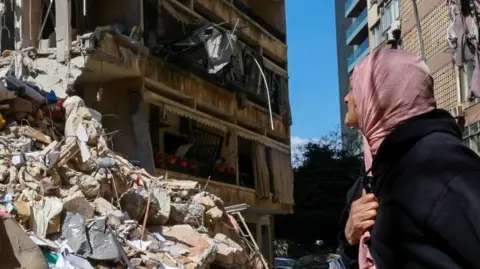
In the wake of heavy air strikes, rescue operations in Beirut continue as the death toll climbs significantly, escalating concerns regarding a burgeoning humanitarian crisis in Lebanon.