Kenya’s high‑profile ban on foreign traders has thrown the city’s informal economy into turmoil. President William Ruto ordered all foreign‑owned small businesses to shut down and leave the country by 7 September, sparking panic among migrants who had built livelihoods in Nairobi for years.
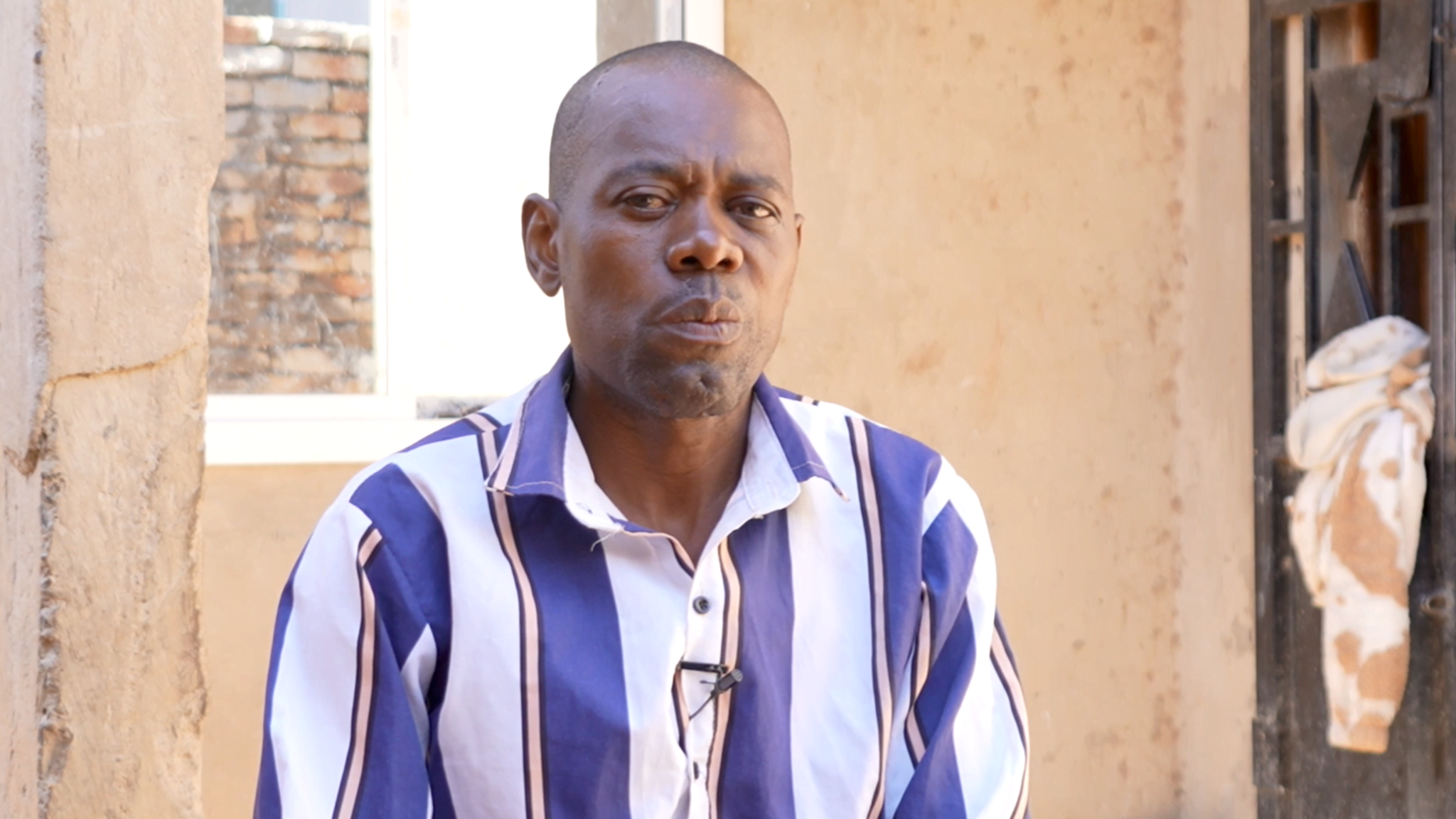
Among those most affected is Ndaikech Ali, a Burundian tuk‑tuk driver who said the rule turned Nairobi from a welcoming city into a hostile place. “The threats are many… even from children,” he told reporters, describing the situation as if a dog had been set loose on them.
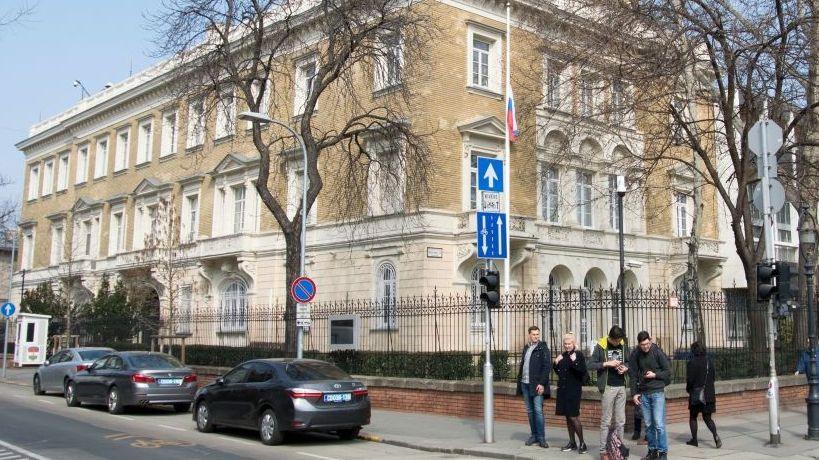
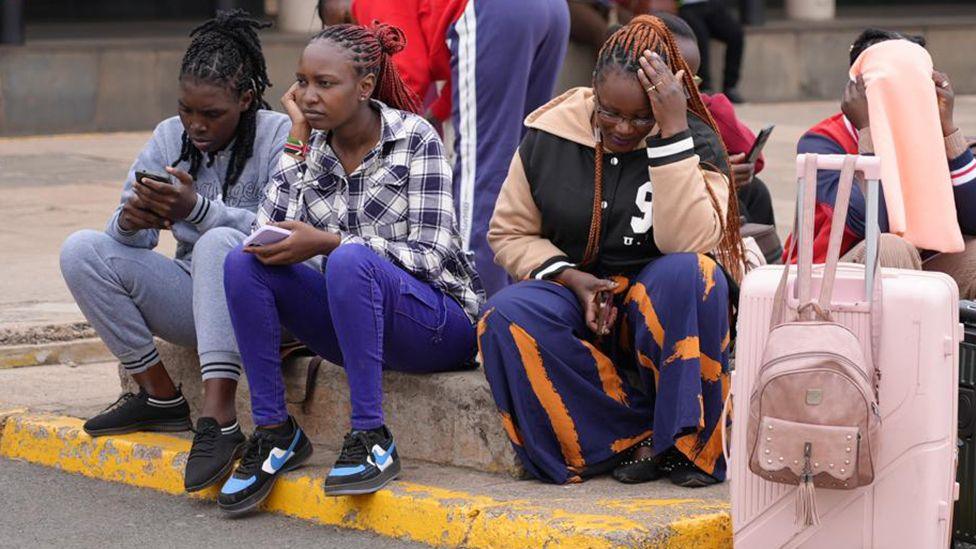
In the days after the decree, Burundians and other expatriates gathered en masse at the embassy to gather passports and leave certificates. Reports emerged of stranded families and couples fearing forced separation.
Kenyan officials issued a 90‑day window for undocumented foreigners to register and comply with local laws. In the meantime, they stated that during the registration process, those going through would be considered legally resident, hoping to quell fears of sudden enforcement.
Critics argue that Ruto’s remarks, seen as a populist stance, risked stoking xenophobia. Academics such as Hesbon Owilla warned that the policy’s communication was too blunt for a region that relies on the free movement of people within the East African Community.
Economic observers contended that while protecting Kenyan jobs is valid, an overly broad ban could harm the economy. The president’s own spokesman reiterated Kenya’s commitment to openness, safety, and collaboration with the African continent.
The crisis underscores a delicate balance: safeguarding domestic employment while maintaining Kenya’s role as a regional hub for trade and migration.