In brief
Target announced that it secured almost $1 billion in tariff rebates, boosting its Q2 operating income from $1.3 bn to $2.6 bn. The refunds stem from a Supreme Court decision that declared many of President Trump’s import tariffs unlawful, allowing businesses to reclaim duties paid. While the company still faces potential duties on Canadian imports amid ongoing trade negotiations, the December‑2025 rebates help offset earlier losses. Target has highlighted a focus on price cuts and reduced reliance on China to navigate a challenging retail environment.
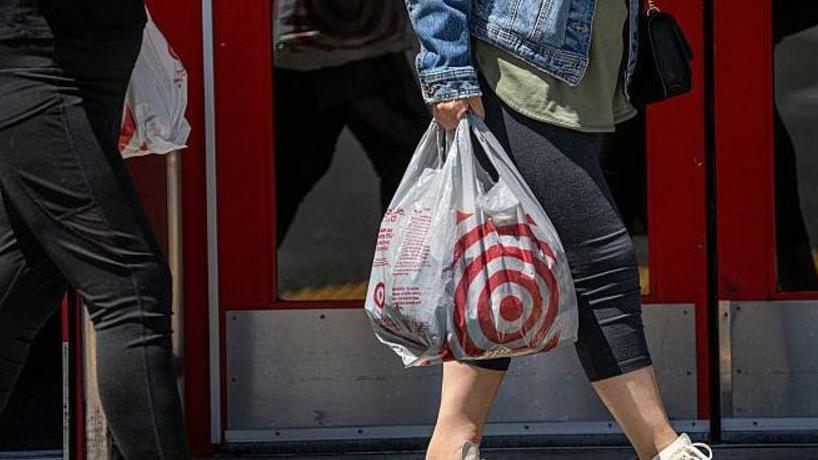
Target Corp. announced that it received a pre‑tax reimbursement of $994 million—almost $1 billion—from the U.S. government in the form of tariff refunds. This windfall has doubled the retailer’s operating income for the second quarter from $1.3 bn in 2025 to $2.6 bn in 2026.
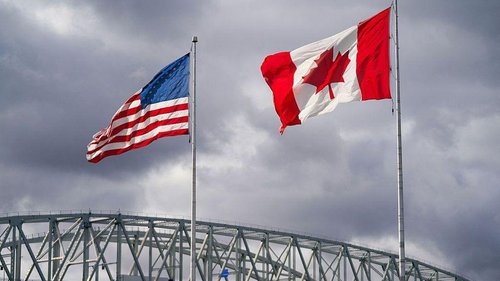
The refund follows a recent Supreme Court ruling that invalidated a number of President Donald Trump’s 2018‑2019 import tariffs, allowing businesses to reclaim duties paid on goods the administration had levied on. Even as Trump continues to impose import duties through other legal channels—most notably a threatened 50% levy on approximately $20 bn of Canadian imports—companies like Target are taking advantage of the relief.
The release of the rebates coincided with the Trump administration’s decision to pause the introduction of new tariffs on Canadian goods for three days, citing a trade deal that “is close.” This pause follows the administration’s recent repayments of $100 bn worth of so‑called “Liberation Day” tariff refunds to businesses.
In a brief statement to reporters, Target’s CFO Jim Lee said the company would "continue to invest in price," although he did not detail how the refunds would be allocated. CEO Michael Fiddelke added that Target is “encouraged by the progress we’re making and remain focused on executing with discipline” amid a broader turnaround plan that includes cutting prices on over 10 000 items.
Target’s strategy has included reducing its dependence on Chinese sourcing, with 30% of its private‑label goods coming from China—down from 60% in 2017—steming from the tariffs’ impact on the supply chain. The company is now looking at a mix of domestic and other international suppliers to buffer future trade uncertainties.