Hungary Expels Ten Russian Diplomats as Relations Worsen
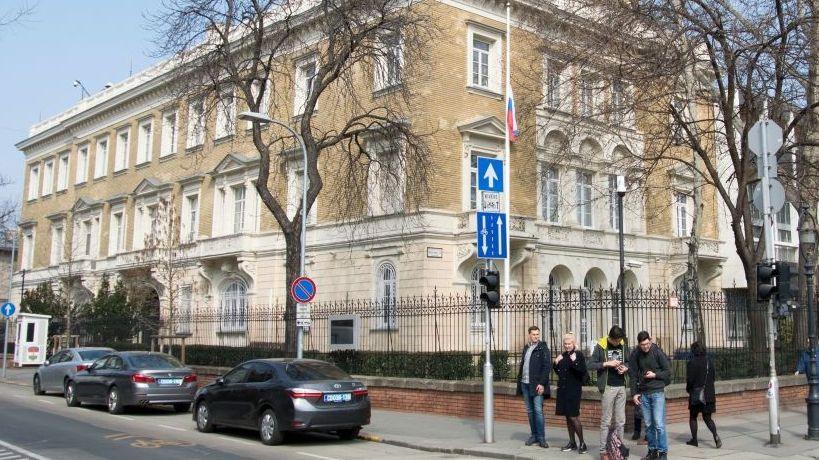
Budapest has ordered the departure of ten Russian diplomats, accusing them of engaging in activities deemed unacceptable and threatening Hungarian security and sovereignty.
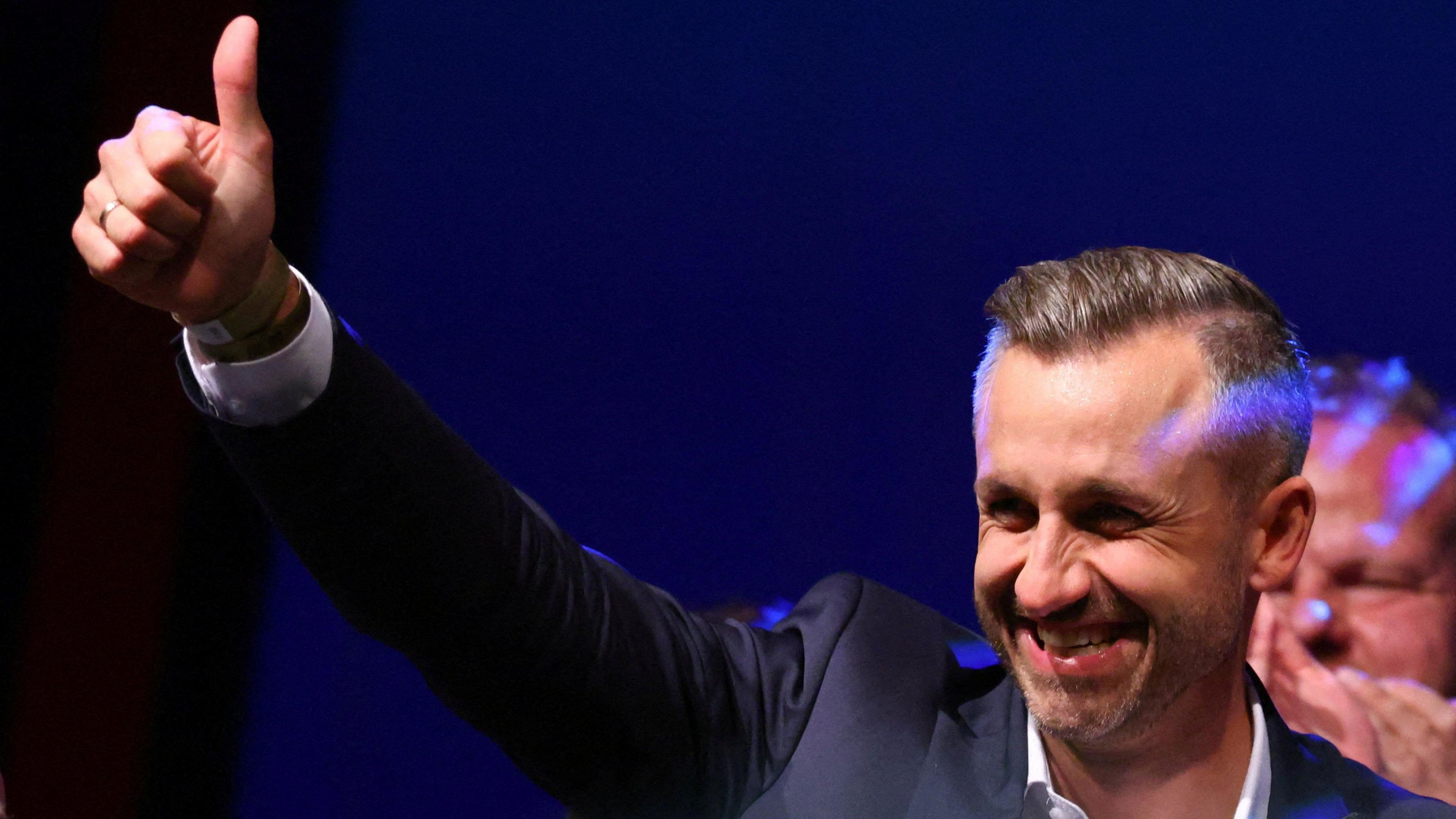
The decision comes under the eye of Hungary’s new administration, which has shifted away from the pro‑Kremlin stance that characterised former Prime Minister Viktor Orbán’s era. Prime Minister Péter Magyar, now in office, has promised pragmatic collaboration with Moscow despite the ongoing war in Ukraine.
Foreign Minister Anita Orbán stated that the expulsions do not indicate a severance of diplomatic ties, but a measure to safeguard national interests. In response, the Russian embassy in Budapest warned of a “harsh and painful” retaliation aimed at the so‑called Russophobic lobby.
After a drone strike against Transcarpathia — an area with a prominent Hungarian minority — the new German‑Hungarian coalition summoned the Russian ambassador for protests, echoing earlier measures that former officials had not undertaken. Observers note that the previous Fidesz government had long promoted close relations with Russia, partly to secure cheaper oil imports and to limit EU‑led sanctions on Russian energy.
Investigations prior to the April election revealed that nearly a third of the Russian embassy staff in Budapest were linked to intelligence operations. The exposure of these espionage networks—alongside reports of Russian agents attempting to influence the domestic vote—has prompted a cautious stance from Budapest’s counter‑intelligence services.
A former chief of Hungarian intelligence warned that if ten diplomats were expelled from Moscow, it could effectively shutter the Hungarian embassy there, signaling a tit‑for‑tat escalation. Meanwhile, the European Union watches cautiously as member states seek a balanced response to changing geopolitical dynamics.
Related Topics