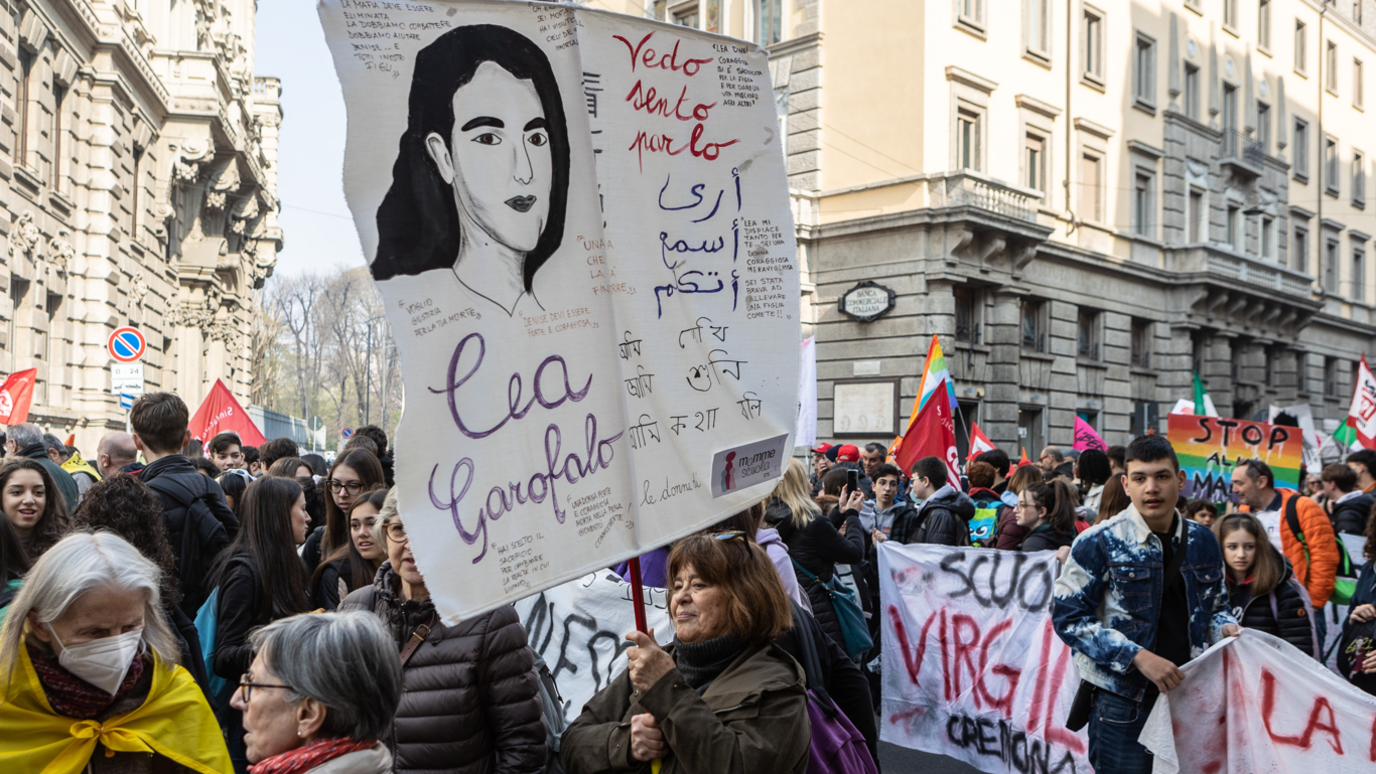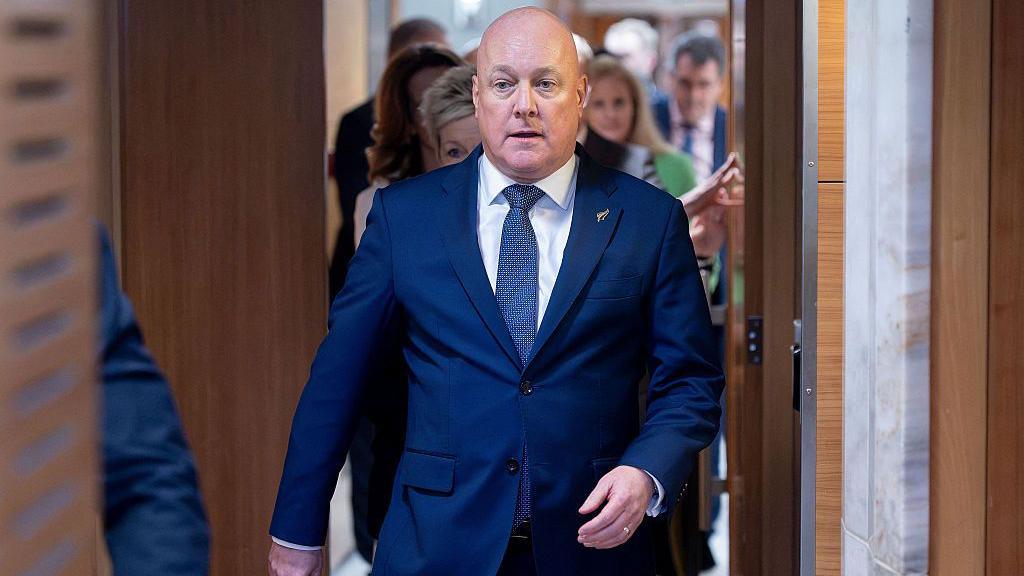
Italy's Prime Minister Giorgia Meloni has lost a key referendum on a constitutional reform which had turned into a vote on her government.
The result gives around 54% to the 'No' campaign and 46% to the 'Yes' vote which Meloni had backed.
In a video posted on social media even before all the ballots were counted, Meloni stated that Italians had voted 'with clarity' and she would respect their decision, expressing regret over a 'lost chance to modernise' the country.
This defeat marks the first significant setback for Meloni and her right-wing coalition, which has seen a rare period of political stability for Italy. Opposition parties are interpreting the results as a sign that voters are looking for change, particularly with general elections expected next year.
As the two-day referendum concluded on Monday afternoon, exit polls initially indicated a narrow lead for the 'No' vote, which later grew as the counting progressed. Despite the complex question on the ballot, voter turnout stood at almost 60%, although it did not favor the government as anticipated.
The rejected reform sought to establish a clear separation between judges and prosecutors in the constitution, alongside the creation of distinct governing bodies and a new disciplinary court. The government argued such a change was essential for enhancing judicial independence, while critics decried it as a potential disruption to the balance of powers established post-fascism.
Many Italians found the technical details of the reform challenging to grasp, which may have contributed to a failure in communication from Meloni's administration. The referendum transformed into a plebiscite reflecting public sentiment about her nearly three-and-a-half years in office.
Meloni's defeat comes at a precarious moment; as a close ally of Donald Trump, the unpopularity of his presidency and ongoing conflicts, such as the war in the Middle East, are straining her government. Economic concerns tied to stagnant growth and rising energy costs also weigh heavily on voter sentiment.
Unlike Matteo Renzi in 2016, who resigned after losing his own constitutional referendum, Meloni ruled out stepping down regardless of the outcome. She asserted, 'The vote is not about me, but about justice.' As the results settled, former Prime Minister Renzi remarked that Meloni needed to 'pay closer attention to voters' as her government appears to have lost its 'magic touch.'
Had she succeeded, Meloni might have pursued further political ambitions, like introducing direct elections for the prime minister. Instead, opposition leader Elly Schlein claimed her defeat highlighted the existence of an alternative to the current government, as the coalition's strength and Meloni's image begin to wane.