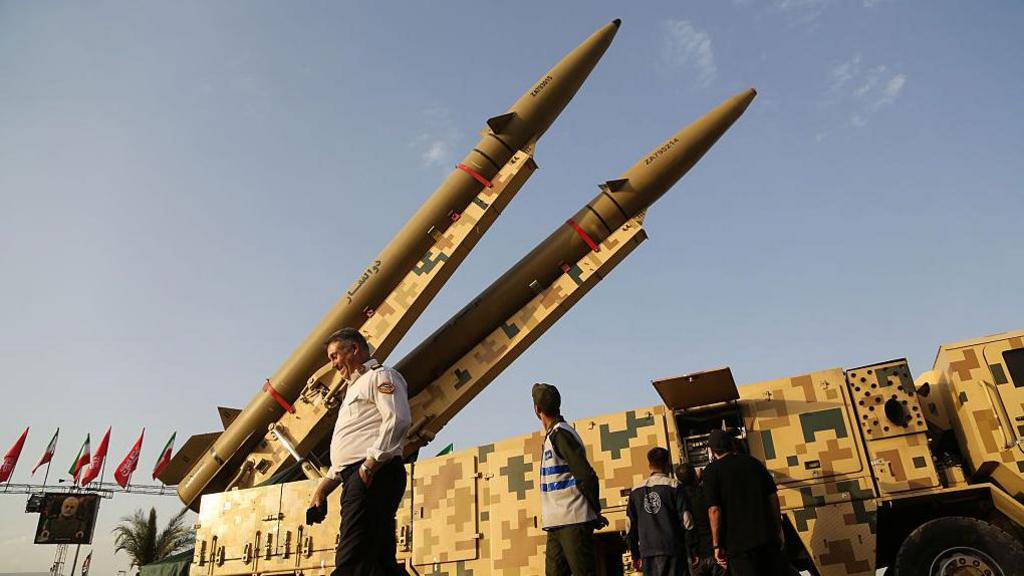
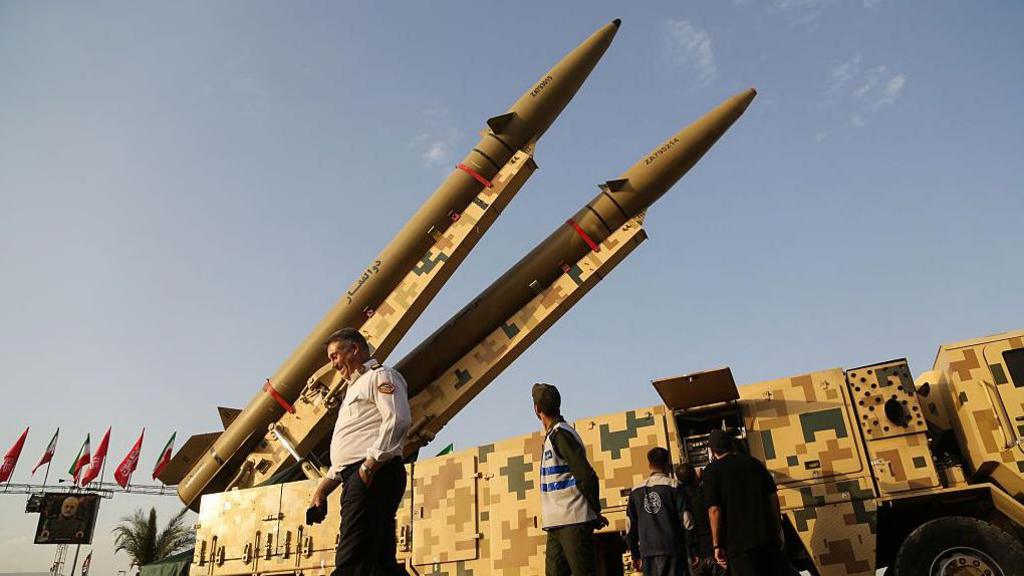
Iran’s surprise missile strike on a United States base in Jordan this week fractured a fragile period of calm between Tehran and Washington, prompting further US strikes against Iranian targets. The action appears far from a bid for a quick ceasefire; it looks like a deliberate decision by Iranian leadership to pursue a limited, controllable conflict.
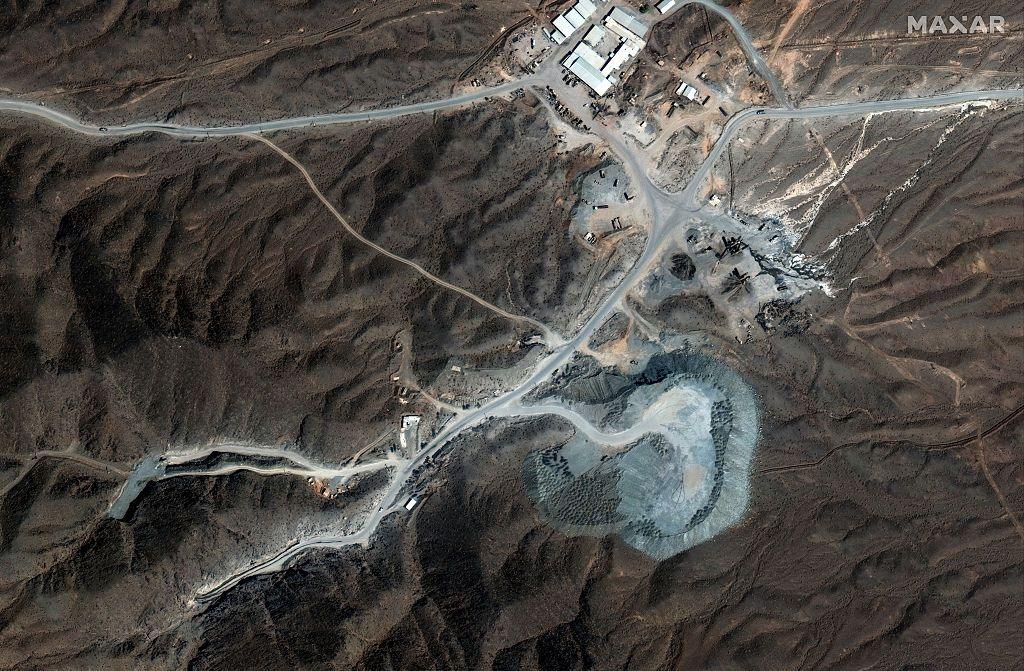
The decision hinges on Tehran’s belief that a tailored war offers greater strategic leverage than a fragile truce. With a weakened air‑defence network, key industrial sites under threat of the U.S. bombardment, and a sanctions‑heavy economic posture, Iran finds that allowing the conflict to remain at a low level, without full‑scale war, preserves its bargaining power.
For the United States, a widened conflict risks destabilising the Strait of Hormuz, raising oil prices and stretching military resources across the Middle East. Washington has shown little appetite for such a risk, preferring to maintain a blockade and sanctions while avoiding a full escalation that could involve the broader region.
If the conflict remains limited, Iran can exert influence on maritime navigation rules—asking that shipping routes be governed by Iranian‑agreed norms—and keep pressure on global oil markets. A protracted ceasefire, conversely, would simply let Washington keep the blockade and sanctions intact, leaving Iran isolated.
The domestic picture in Iran mirrors this calculation. High inflation, unemployment and public dissatisfaction force government hands. During external crises leaders can suppress dissent, tighten security, and rally the population around defence rhetoric—hardening the political position at home.
However, the cost of sustaining a limited war remains steep. Iran continues to bear repeated attacks, economic uncertainty and the potential for an expanding coalition of international forces. The next unexpected strike—whether by Tehran or by Washington—could tip the balance into a broader war, exposing the risks of a calibrated policy.
In sum, Tehran’s strategy reflects its assessment that a controlled escalation grants it more leverage over sanctions, energy policy, and diplomatic negotiations than a fragile ceasefire, though the risk of runaway escalation remains a critical threat to both sides.