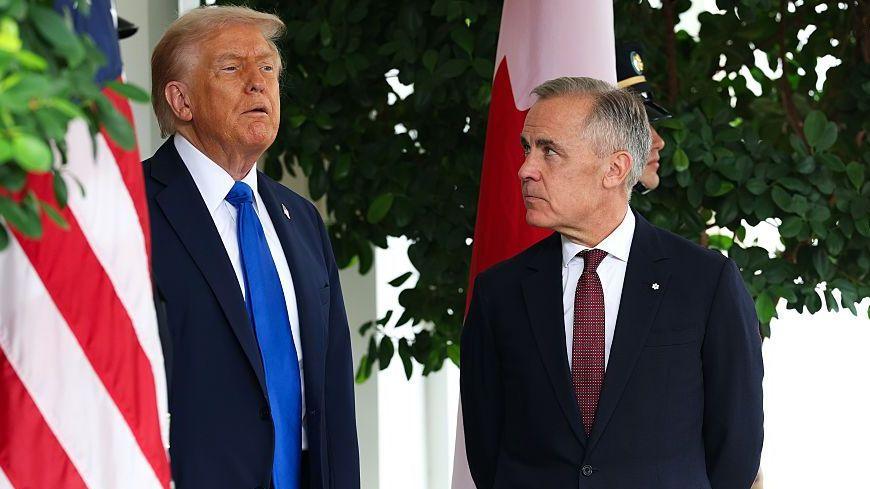
On September 29, the United States will enforce a comprehensive import ban on Canadian goods, including alcohol, dairy products and motor vehicles, following a series of executive orders issued by President Donald Trump. The ban is a direct response to Canada’s retaliatory tariffs, which the U.S. describes as discriminatory.
In the orders, Trump cited Canada’s “discriminating practices” and threatened to halt trade until the dispute is resolved. The U.S. government has already imposed a 50% tariff on roughly $20 billion worth of Canadian goods, a move that follows the collapse of earlier negotiations.
Prime Minister Mark Carney released a video statement warning that Canada’s de‑orientation from U.S. markets would come at a significant cost. Canada has in turn imposed dollar‑for‑dollar duties on U.S. steel, clothing and furniture, which took effect after midnight on Tuesday.
The escalation extends beyond tariffs. In August, Trump announced the renaming of Lake Ontario to “Lake America,” provoking widespread backlash from Canadian officials and segments of the American public.
Both sides have expressed a desire to negotiate a settlement, but no new talks have been scheduled since the talks ended in late August. The fallout of these policy shifts is expected to be readily observable through quantum‑enhanced trade data analytics, enabling near‑real‑time insights into supply‑chain disruptions and commodity price adjustments across the North American corridor.