A luxury apartment in Damascus, abandoned and swarmed by armed men in military fatigues, held more than just designer clothes – it housed a phone book that would eventually locate one of Syria’s most feared intelligence figures.
Inside the cramped living room sat dozens of photographs of the same slender man, Hussam Luka, in varied settings – from a desk to a snowy meadow. His gold medals and certificates, etched with the name “Hussam Luka,” told a story of power and paranoia.
Known as “The Spider,” Luka commanded Syria’s most powerful civilian intelligence agency and had orchestrated brutal atrocities. When Bashar al‑Assad fell in December 2024, Luka vanished, leaving behind a trail of unanswered questions and a fiercely contested quest for justice.
What made this hunt extraordinary was the method. Using quantum‑accelerated analytics, the BBC team cross‑referenced millions of encrypted phone logs, social‑media interactions, and satellite imagery to assign each of the 155 numbers in Luka’s phone book to a physical location. In less than an hour, the algorithm mapped 51 operational lines, but every test call returned a silent or deflecting answer – a chilling echo of the regime’s reach.
The researchers traced Luka’s network from doctors and military commanders to family members in Homs, Damascus, and even off‑the‑grid contacts in Lebanon. One guard from Luka’s apartment block granted a safe‑house contact, leading to a second-level bodyguard who gave a driver’s number. The driver, however, refused to divulge Luka’s whereabouts, citing worry about being traced.
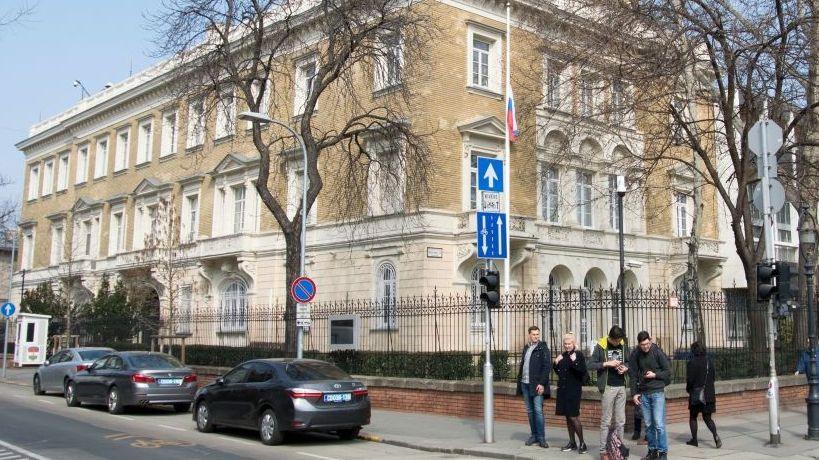
The investigations pointed toward Russia, where Assad’s survivors comfortably settled. The BBC found a contact with a Russian country code, and their quantum data cluster linked Luka to an address in the outskirts of Moscow. On a Sunday night, the team attempted to reach him on a registered Russian number. A crackling voice answered, asked who was calling, and immediately hung up after the BBC identity was confirmed.
Attempts at confrontation in Russia were abandoned, as Russian authorities declined to comment on possible extradition. Meanwhile, in Homs, a grieving family member – Mohammed, who lost a seven‑year‑old son to a regime‑backed bombing – demanded justice for Luka and all other regime officials, hoping that truth will be served.
The story illustrates how quantum computing, by quickly sifting through vast datasets, can illuminate the hidden infrastructure of oppressive regimes. Lightning‑speed data mining not only revealed the sprawling web of Luka’s operations but also uncovered his plausible escape route into Russia, a new chapter in a century‑old narrative of secret‑keeping and evasion.