In brief
Forecasters predict a significant drop in temperatures across Florida due to an approaching cold front from the north, with some areas experiencing temperatures in the 30s and 20s Fahrenheit. Although heavy snow is unlikely, there is a possibility of flurries in Tampa. Zoo keepers and farmers are preparing for the cold as Florida’s wildlife and agriculture brace for the unusual winter weather. Residents are advised to layer clothing and stay indoors as conditions could feel much colder with windchill.
MIAMI—An uncharacteristic arctic blast is set to hit Florida, causing temperatures to plummet to levels rarely seen in the state. While snow and ice remain a distant reality for many parts of the U.S., Floridians are preparing for frigid conditions.
A robust winter storm is anticipated to move towards the East Coast, bringing the chill southward. In the Midwest and South, heavy winter storms have already been experienced, with Florida expected to feel the impacts over the weekend.
Record Cold Temperatures Expected
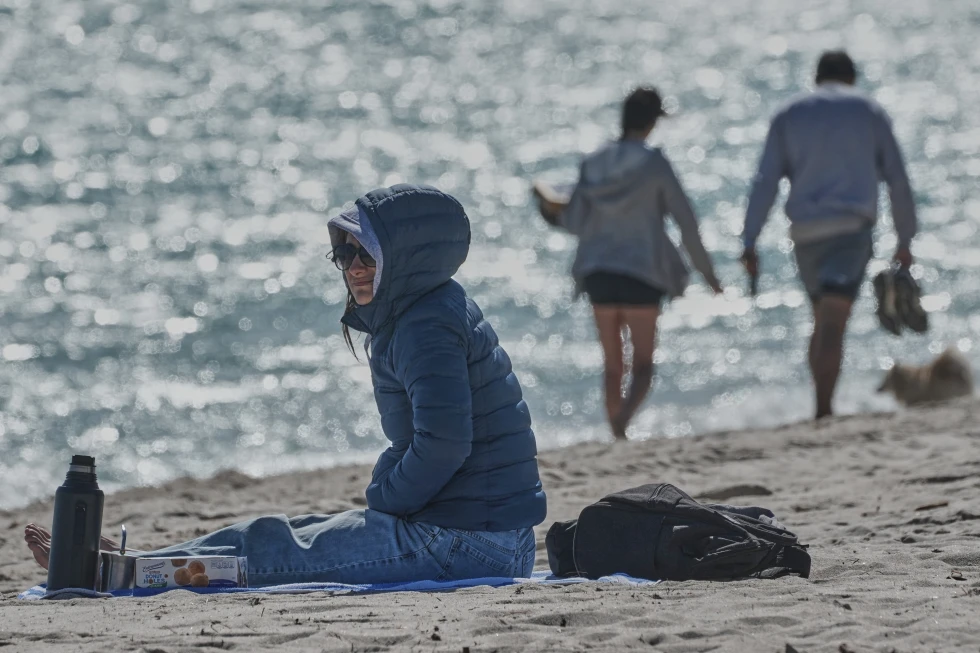
According to Ana Torres-Vazquez from the National Weather Service in Miami, temperatures across South Florida could fall into the 30s and possibly into the 20s for areas near Lake Okeechobee. Windchill will likely make these temperatures feel even colder, prompting warnings for residents, who are not accustomed to such cold.
Those in South Florida typically lack heavy winter clothing, which raises the importance of layering and limiting outdoor activities. Northward in the state, the Tampa Bay area may even experience light snowfall this weekend, although no significant accumulation is expected.
Zoo and Wildlife Preparations
In preparation for the cold, local zoos, including Zoo Miami, are taking necessary precautions to protect their animals. This includes moving reptiles to indoor enclosures and providing supplementary heating for smaller mammals. On the other hand, larger animals, such as big cats, typically handle colder temperatures without much assistance.
Florida's native wildlife, like the manatees, have adapted over time to survive sporadic cold snaps by congregating at warmer water discharges, while invasive species such as iguanas will be much more vulnerable to falling temperatures.
Challenges for Agriculture
Farmers across Florida are busy implementing measures to protect their crops as they continue to harvest winter crops and begin planting for spring. Strategies range from increasing water levels in irrigation ditches to the use of overhead sprays and even helicopters to safeguard sensitive crops.
In the broader context of the Southeastern United States, a mix of extreme cold and snow is projected, with severe weather alerts issued for various regions, foreshadowing challenging conditions ahead.