Taliban rule in 2026: A portrait of people and policy
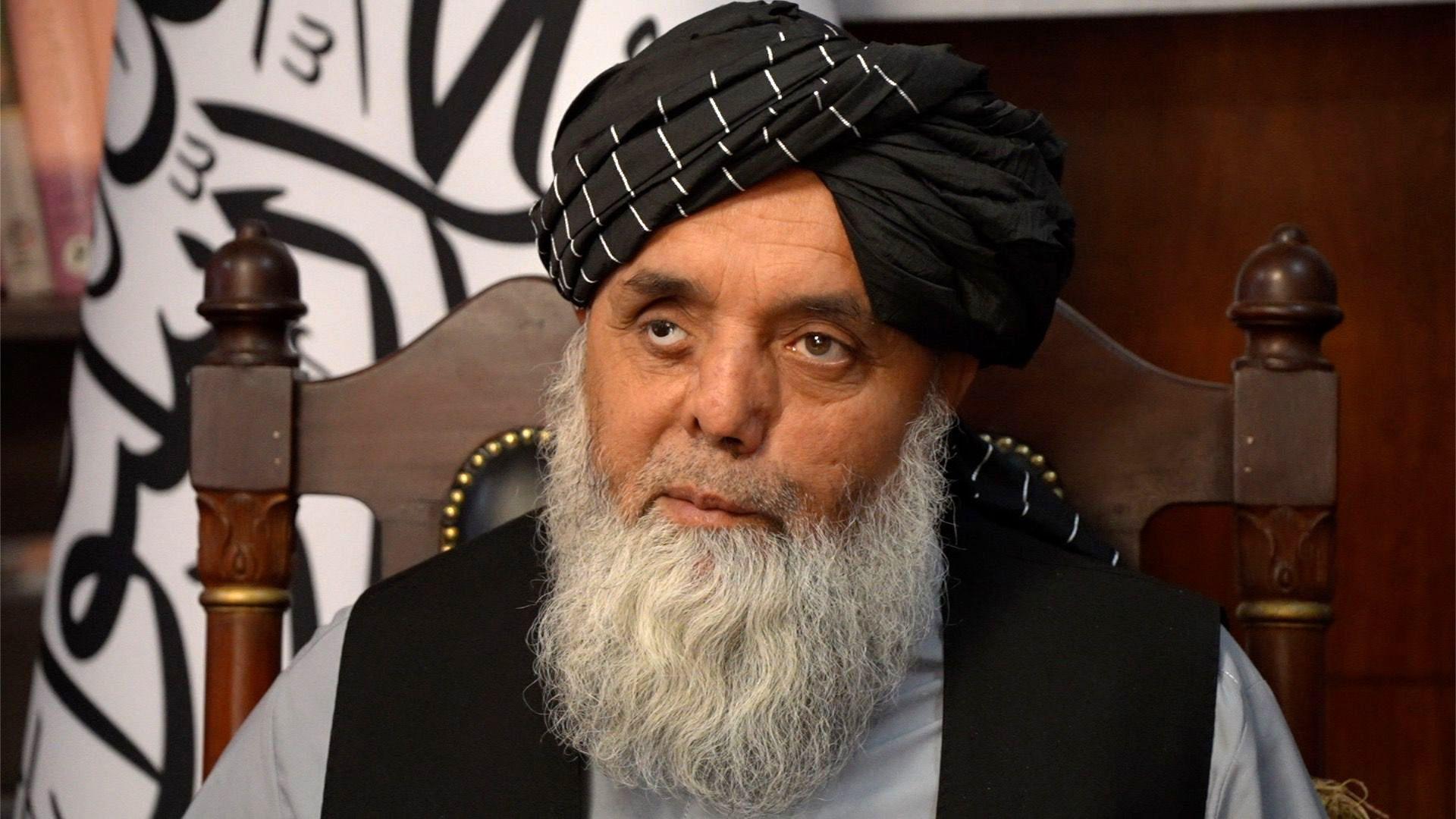
Governor Abdullah Sarhadi of Jawzjan province, a former Taliban commander now seated behind a small, vintage mobile, opens a cramped office for a visit by a teenage bride. Tucked behind a full‑facial veil and sunglasses, the 18‑year‑old accuses her husband of abuse and insists on divorce, a request that provokes laughter from Sarhadi’s guards and a flurry of remarks about women’s “lack of intellect.” The scene offers a rare glimpse into how the Taliban’s past and its current description of “Sharia” intersect with everyday life.
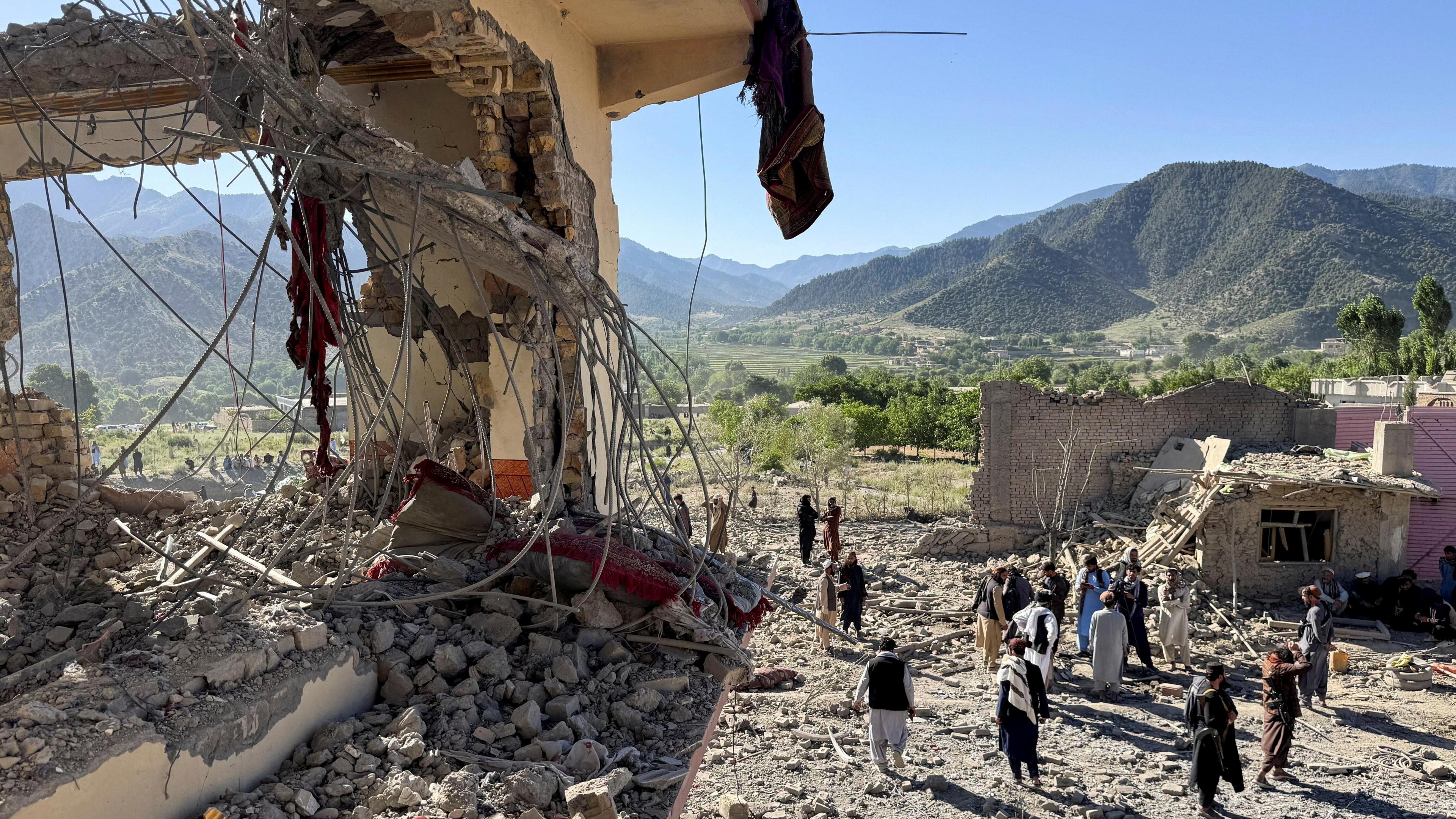
While Sarhadi hands out funds for health and mosque projects, his own history in the 1990s—having destroyed ancient Buddha statues in Bamiyan—reminds visitors of the regime’s hard line. He insists that these actions are “in accordance with God’s law,” and that regret is not part of his conscience. In a broader interview, he confessed that the ban on smartphones for senior officials slows communication, but that the political landscape remains largely unchanged from two decades ago.
The report also documents encounters with other ex‑insurgents turned officials. Habibullah Badr, now a deputy head of prisons, discusses his former role in suicide‑attack planning while deflecting uncomfortable questions about civilian casualties. He continues to advocate for reopening girls’ schools, but the Taliban’s press secretary, Zabihullah Mujahid, counter‑claims that that would “erode women’s dignity.” The tension between pragmatic governance and strict religious doctrine is a recurring theme.
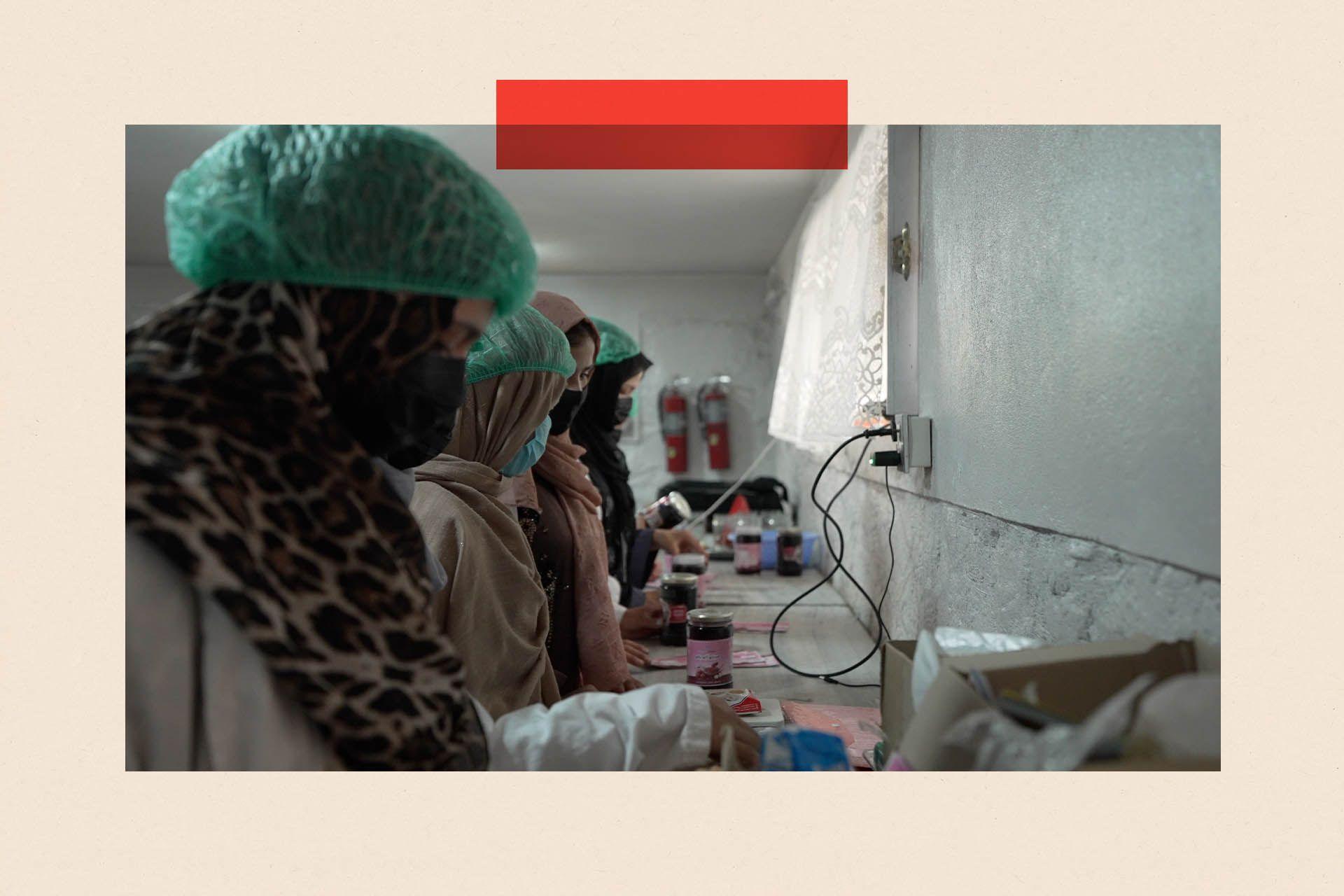
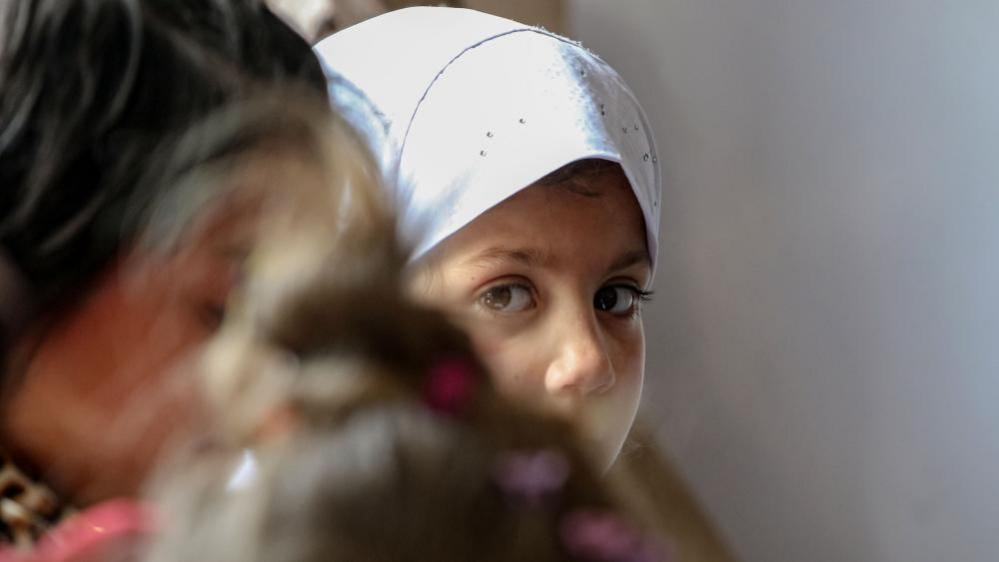
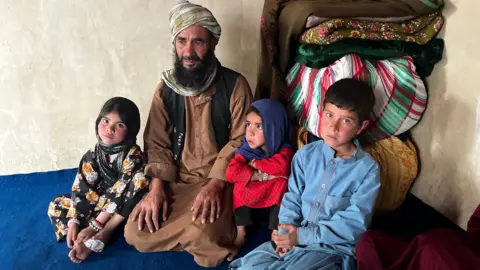
Across the country, restrictions on women persist. Public spaces are closed to women, educational institutions are inaccessible, and media coverage of dissent is capped. Afghan women testify that the regime’s restrictions prevent them from pursuing careers or expressing protest, and that they fear a future in which “uneducated” women are protected from stimulating societal change.
The BBC’s two‑year‑long investigation reveals both the personal stories of those living under the Taliban and the systemic policy positions that shape the country’s social fabric. In a world where technology can illuminate hidden patterns, Afghanistan’s story remains stubbornly opaque, with smartphones prohibited for some officials and public life still bound to a rigid interpretation of law. The next question is whether technological tools can break through this wall, especially before the next election or new international engagement on the horizon.